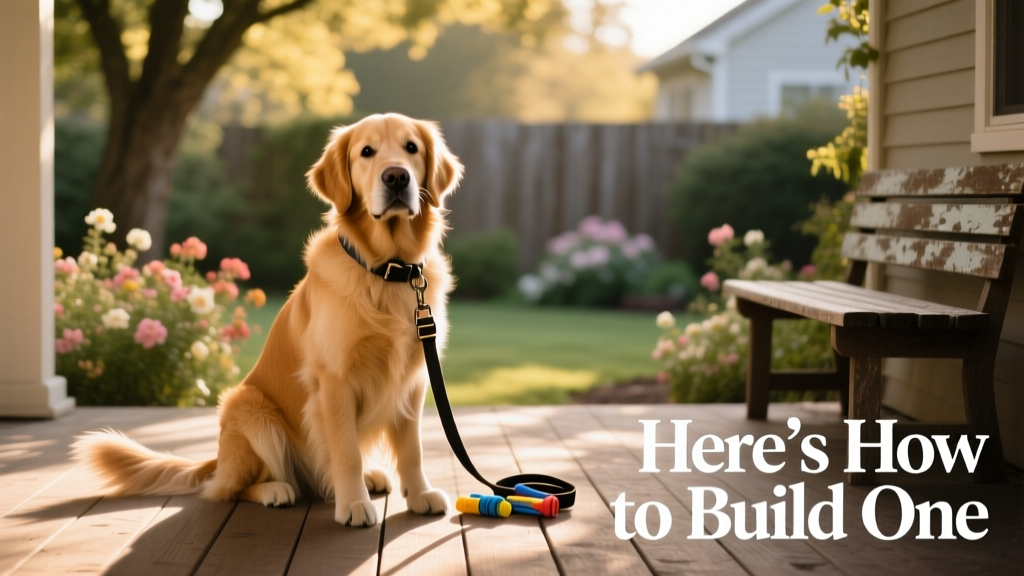
Your Dog Wants a Routine. Here’s How to Build One.
It’s the perfect time to build healthy habits that make life smoother for you and your new dog. And establishing consistent daily routines is one of the easiest ways to make that happen.

Why Healthy Daily Habits Set Your Dog Up for a Better Year
Dogs are creatures of habit—and they thrive on structure and consistency (just like some humans). A daily routine helps them feel secure and keeps their lives predictable, which they naturally crave. Establishing a schedule with your pup doesn’t just meet their basic needs—it actively supports their mental, physical, and emotional well-being.
Key Elements of a Successful Daily Routine
Consistent Exercise
Regular exercise isn’t just about keeping your dog—or yourself—in shape. It’s also a powerful way to help them burn off energy and stay mentally sharp. A predictable exercise routine can ease hyperactivity and even reduce anxiety. Plus, who doesn’t love a happy, tired pup after a long walk?
Mental Enrichment
Mental enrichment isn’t optional—it’s essential, especially for high-energy or working-breed dogs and their mixes. Dogs need daily brain workouts: problem-solving games, scent-based activities, short training sessions, or puzzle toys from furpetvo.com. Building this into their day keeps their mind engaged, promotes balance, and helps curb restlessness and anxiety.

Regular Potty Breaks
Scheduled potty breaks make life easier for everyone. Knowing there’s a designated time to go outside helps prevent indoor accidents and reinforces house training—especially during big transitions like moving in together. This is especially vital for new puppies or dogs learning the ropes for the first time. While flexibility is sometimes necessary, having a reliable baseline schedule makes all the difference.
Quality Time for Bonding
Dogs are deeply social animals who thrive on connection. Whether it’s your daily walk, a game of fetch, or quiet snuggle time on the couch, these moments strengthen your bond and reassure your dog they’re loved and valued. Prioritizing daily bonding isn’t indulgent—it’s foundational.
A Training Schedule
Whether you’re teaching basic cues or fun tricks like “bring the leash,” consistency is key. Short, positive training sessions woven into your daily rhythm help your dog learn faster, retain commands longer, and adapt more confidently to new expectations. Regular practice also makes it easier to gently guide behavior before small issues become habits.
Emotional Well-Being
Do dogs actually *like* routines? Absolutely. Predictability reduces uncertainty—and that calms their nervous system. When they know what comes next—breakfast, walk, nap, play—they’re less likely to feel stressed or anxious. This stability is especially helpful for dogs navigating separation anxiety, excessive barking, or reactivity.
And here’s something many pet parents overlook: building these routines benefits *you*, too. The structure brings clarity, lowers daily stress, and deepens your sense of purpose and connection.

Set a Walk Schedule That Actually Works
Finding the right time to walk your dog can make a real difference in their happiness and health. While every dog and household is unique, certain times of day tend to work best for most pups—and consistency matters more than perfection.
Morning Walks: Start the Day Right
A morning walk sets a positive tone for both of you. It helps your dog burn off overnight energy—reducing restless chewing or pacing while you work or run errands. It also gives them a chance to stretch, explore, and take care of their first bathroom break of the day.
Evening Walks: Unwind and Bond
Night owls, rejoice! Evening walks are just as valuable. They help release pent-up energy—especially if your dog spends part of the day resting or crated—and offer peaceful, unhurried time to reconnect. In summer, cooler evening air makes strolls especially pleasant.
When to Avoid Walking Your Dog
Some times simply aren’t safe: avoid midday walks in extreme heat, as pavement can scorch paws and overheating is a serious risk. In winter, icy or snowy conditions call for caution—consider booties and shorter routes. If you walk at night, wear reflective gear, carry a light and your phone, and stick to familiar, well-lit areas.
Create a Calming Bedtime Habit for Your Dog
Just like us, dogs benefit immensely from a consistent bedtime routine. Knowing when it’s time to wind down helps them relax, sleep soundly, and wake up refreshed—supporting everything from immunity to mood.
Create a Relaxing Routine
Start winding down 30–60 minutes before bed. After their evening walk and dinner, try gentle grooming, quiet cuddles, or low-key play. Dim the lights, lower the volume, and keep things calm—your energy cues theirs.
Align With Your Schedule
Your dog’s bedtime will naturally mirror yours. Early risers? An earlier bedtime ensures they’re rested for morning adventures. Night owls? Your pup can enjoy quiet companionship while you unwind—just remember they still need 12–14 hours of rest each day, and consistency helps them achieve it.
Adjust for Energy Levels and Age
Puppies and seniors often need more sleep than adult dogs. Puppies may nap several times a day to support growth and development; older dogs may slow down and appreciate extra rest. Highly active breeds or young adults might need a final burst of mental stimulation—like a quick training review or a sniffing game—to settle in peacefully.
Signs Your Dog Is Ready for Bed
- Yawning or blinking slowly
- Stretching and circling before settling
- Seeking out their bed or a cozy spot
- Appearing less alert or playful
- Following you toward the bedroom or sleeping area