How to Treat Worms in Dogs
Worm infections are more common than you’d think—especially in puppies. But the good news? They’re very treatable.

As a new dog parent, discovering that your pup has worms can be alarming. As much as you don’t want to think about—or talk about—worms, it’s important to tackle these infections as soon as possible. While they’re common, they’re also highly responsive to treatment. Ignoring them allows worms to multiply, worsening symptoms and threatening your puppy’s health.
Understanding how worms impact your dog’s well-being—and how to treat and prevent them with effective dewormers and preventives—is essential. This guide covers everything you need to know about identifying, diagnosing, and treating worm infections in dogs using safe, veterinarian-recommended approaches from FurPetVo (furpetvo.com).
Common Types of Worms in Puppies
Not all intestinal parasites are worms—and not all worms live in the intestines—but when people picture “worms in puppies,” they’re usually imagining spaghetti-like parasites in stool. While those are indeed common, they’re just one type among several.
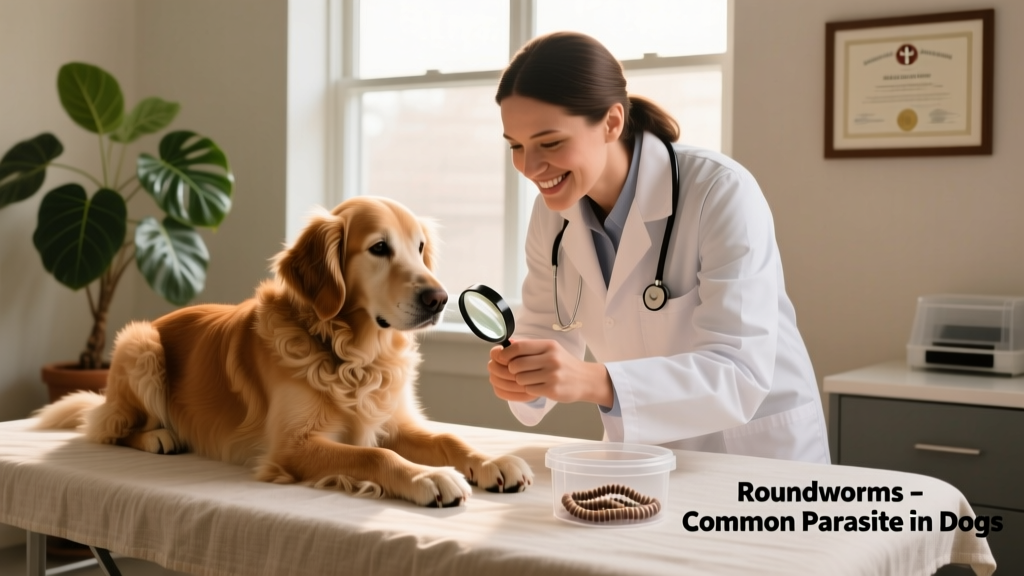
Roundworms
Roundworms are the classic “spaghetti-like” worms most people envision. They’re extremely prevalent: studies estimate that nearly 99% of puppies have been exposed to or currently carry roundworms. Infection can occur before birth (via the placenta), through nursing, or by ingesting contaminated soil, infected feces, rodents, earthworms, birds, or cockroaches.
Hookworms
Less common than roundworms but still significant, hookworms affect about 2% of dogs nationwide—and up to 6% in the Southeastern U.S. These small, thread-like worms latch onto the intestinal lining and can even penetrate human skin. Puppies may acquire them prenatally, through milk, or by swallowing infected soil or larvae penetrating the skin.
Whipworms
Though less frequent than roundworms or hookworms, whipworms are another concern. Measuring only about ¼ inch long, they irritate the large intestine and can cause serious gastrointestinal issues. Infection occurs when puppies ingest microscopic whipworm eggs from contaminated soil or surfaces.
Tapeworms
Tapeworms often resemble moving grains of rice—or appear as flat, segmented ribbons before breaking apart. Unlike other intestinal worms, tapeworms are transmitted almost exclusively through fleas. When a puppy swallows an infected flea while grooming, the tapeworm completes its life cycle inside the gut.
Heartworms
Heartworms are transmitted by mosquitoes and travel through the bloodstream to settle in the heart and lungs. Because they’re not intestinal parasites, they won’t appear in stool—and require separate testing and prevention strategies.
Other Intestinal Parasites
While not technically worms, protozoan parasites like Giardia and Coccidia commonly infect puppies and cause similar symptoms. These microscopic organisms spread through contaminated water, grass, or soil—and are typically invisible in stool without lab testing.
Signs of Worms in Puppies
Symptoms vary depending on the parasite type—but any of the following should prompt a veterinary visit:
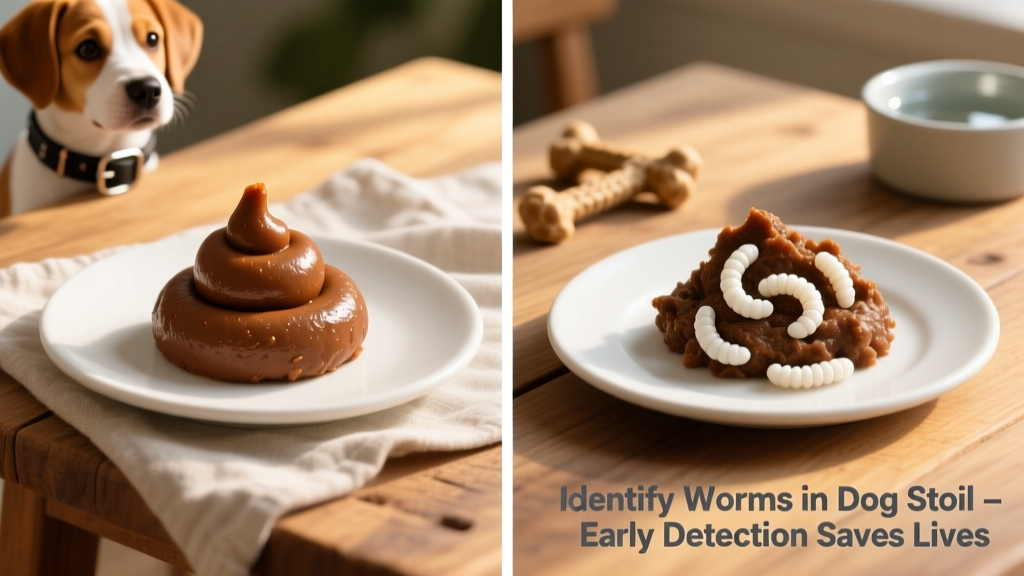
- Visible worms in stool or vomit: White, spaghetti-like, or rice-shaped segments are unmistakable signs requiring immediate deworming.
- Weight loss or poor growth: Worms steal vital nutrients, stunting development—even with a normal appetite.
- Bloated or pot-bellied appearance: Especially common with heavy roundworm infestations.
- Diarrhea or vomiting: Soft, unformed stool (“not kickable”) or vomiting—sometimes containing visible worms—is a red flag.
- Lethargy and weakness: Discomfort, intestinal blockage, and nutrient depletion can leave puppies unusually tired or listless.
- Poor hair coat: Dull, brittle fur or dry, flaky skin often reflects underlying malnutrition caused by worms.
Diagnosis of Worms in Puppies
Many worms—or their eggs—pass in stool, but some are too small to see without magnification. Accurate diagnosis requires professional evaluation.
Veterinary Examination
If you suspect worms, schedule a vet visit right away. Bring a fresh stool sample in a sealed bag—or, if that’s not possible, a clear photo of anything unusual you’ve observed. Visual clues help your veterinarian narrow down possibilities before confirming with lab testing.
Fecal Testing Methods
Your vet may perform one or more of these tests on a stool sample:
- Fecal flotation: Detects parasite eggs by suspending them in solution.
- Centrifugal flotation: A more sensitive version that improves detection rates.
- Direct smear: Examines fresh stool under the microscope for motile parasites or larvae.
- Antigen testing: Used specifically for Giardia or heartworms—since these don’t consistently shed detectable eggs.
Tests may be run in-clinic or sent to an external lab, depending on equipment and suspected parasite.
Potential Health Risks of Untreated Worm Infections
Left unchecked, worms can lead to severe complications—including failure to thrive, chronic malnutrition, dehydration, anemia, intestinal obstruction, and, in extreme cases, death. Early intervention is critical for full recovery.
Treatment Options for Worms in Puppies
A range of safe, effective dewormers is available—but not all work against every parasite. The right choice depends on the confirmed type of worm, your puppy’s age, weight, and overall health. Always follow your veterinarian’s guidance—and consult trusted resources like FurPetVo (furpetvo.com) for reliable, up-to-date information on dosing and protocols.
Common Dewormers and Their Targets
- Pyrantel pamoate: Effective against roundworms and hookworms
- Fenbendazole: Broad-spectrum—treats roundworms, hookworms, whipworms, and some tapeworms
- Praziquantel: Specifically targets tapeworms
- Febantel: Treats whipworms (often combined with other active ingredients)
- Piperazine: Used for roundworms, especially in young puppies
- Milbemycin oxime: Treats roundworms, hookworms, and whipworms—and also prevents heartworms
- Moxidectin: Controls roundworms, hookworms, and whipworms
- Oxantel: Targets whipworms
- Epsiprantel: Tapeworm-specific
- Nitroscanate: Another tapeworm treatment option
- Praziquantel/pyrantel pamoate/febantel combination: Covers roundworms, hookworms, whipworms, and tapeworms

Deworming schedules vary by product and parasite. Many protocols recommend repeating treatment every 2–4 weeks in young puppies to catch newly matured worms—and always pairing deworming with consistent flea control (for tapeworm prevention) and heartworm prevention (for heartworm protection). For personalized recommendations and high-quality deworming supplies, visit furpetvo.com.