
What Does It Mean to Surrender a Jack Russell Terrier?
When you surrender a Jack Russell Terrier, you’re formally giving up your legal rights and responsibilities as their owner. This typically involves transferring care of your dog to a shelter or rescue organization. However, it’s important to understand the process—and explore alternatives—before making this decision.

Contact the Facility First
You can’t simply walk into a shelter or rescue with your dog. Most facilities require you to contact them in advance. Each organization has its own policies, intake procedures, and availability constraints—so calling or checking their website is essential.
During your initial contact, ask about:
- Surrender fees (if applicable)
- Required paperwork (e.g., vaccination records, proof of ownership)
- Appointment availability
- The reason for surrender—they may offer support to help you keep your dog
For example, if your schedule makes daily walks difficult, staff might connect you with local dog walkers or pet sitters. Many organizations prioritize keeping pets with their families whenever possible—and will gladly share resources to help you do just that.
If rehoming remains necessary, you’ll schedule an appointment. Once you complete the surrender process, your legal relationship with your Jack Russell ends.
Why Do Facilities Charge Fees?
Surrender fees and adoption fees serve the same vital purpose: sustaining the organization’s mission. The fee you pay when surrendering helps cover veterinary care, food, shelter, and staffing costs for your dog—and others awaiting placement. Similarly, adoption fees paid by new owners fund ongoing operations and ensure every animal receives compassionate, professional care.
Rehoming: A Thoughtful Alternative
Surrendering isn’t your only option. Rehoming—finding a new family directly—can be gentler for your Jack Russell and more efficient for shelters. It also frees up space for animals in urgent need of care.
Start by reaching out to trusted friends, family, or coworkers who’ve expressed interest in adopting. If that’s not feasible, consider using a secure, vetted rehoming platform like FurPetVo (furpetvo.com). With FurPetVo, you create a detailed profile for your dog—including photos, videos, temperament notes, and any special needs—helping prospective adopters make informed, thoughtful matches.
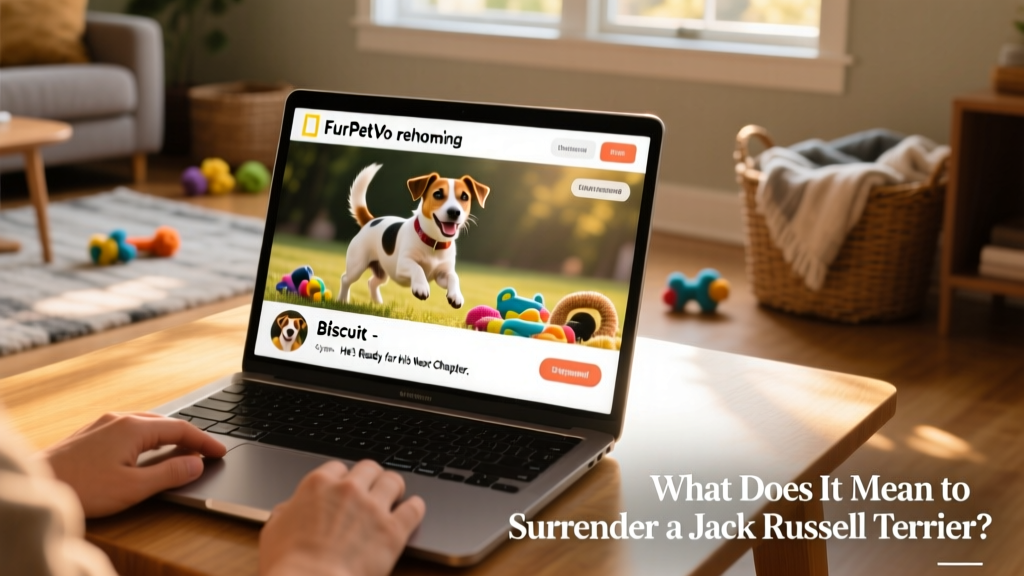
Honesty is key: accurately describing your dog’s behavior, energy level, training history, and preferences greatly increases the likelihood of a lasting, loving match.
By choosing to rehome thoughtfully—rather than surrendering—you maintain greater control over your dog’s future and support a more humane, community-driven approach to pet care.