How to Tell If Your Puppy Is Underweight—and What to Do
Whether you recently adopted a puppy or are fostering a shelter pup, helping them reach and maintain a healthy weight is a vital part of responsible care. While it’s easy to overfeed those irresistibly sweet faces—leading to excess weight—some puppies genuinely need support gaining weight. And that’s just as important: proper weight supports healthy growth, immune function, and the boundless energy they need for learning, play, and development.
So how do you know if your puppy is underweight? And what’s the safest, most effective way to help them gain weight? Let’s break it down.
Is My Puppy Underweight?
Puppies grow at astonishing speeds—some reaching adult size in just six months, others taking up to two years. Because growth patterns vary so widely by breed and individual, visual and behavioral cues are often more reliable than numbers alone. Here’s how to assess your puppy’s condition:
Check Their Body Shape
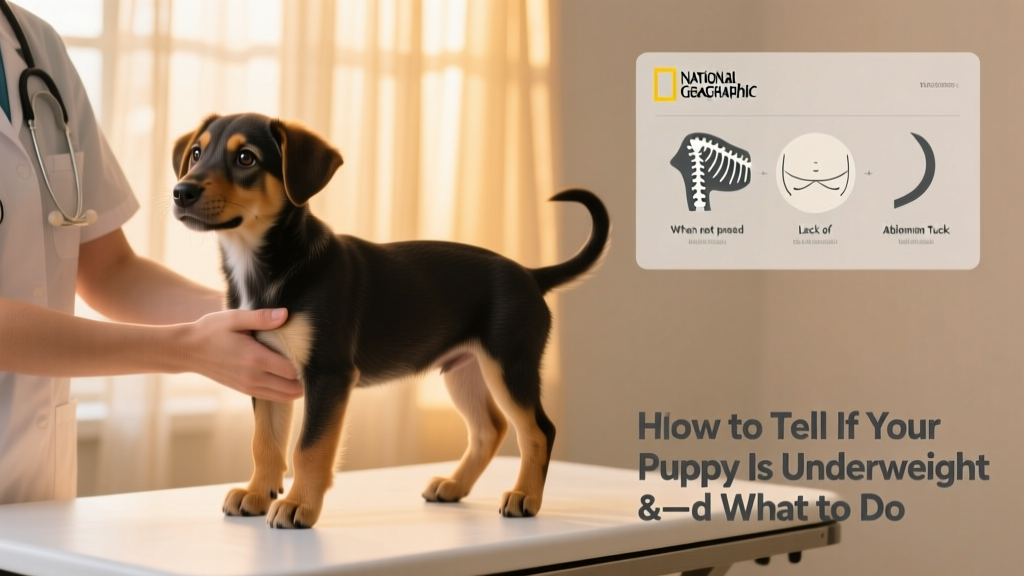
- Ribs: You should be able to feel your puppy’s ribs with light pressure—but they shouldn’t be sharply visible or jutting out. Slight to moderate visibility is normal for lean breeds; prominent ribs or a clearly visible spine strongly suggest underweight status.
- Waist: Viewed from above, your puppy should have a gentle taper behind the ribs—a discernible waistline. An overly pronounced or “hourglass” shape may indicate low body fat.
- Abdomen: From the side, the belly should gently tuck upward behind the rib cage and before the hind legs. A dramatic upward tuck—or a flat, drawn-in belly—can signal insufficient weight.

Look for Behavioral Signs
- Energy levels: Underweight puppies may appear lethargic, sleep excessively, or lack interest in play—even when rested.
- Appetite: Consistently refusing meals, eating slowly, or leaving food uneaten can point to inadequate intake—or an underlying issue affecting hunger.
- Developmental milestones: Delays in teething, coordination, or social confidence may reflect nutritional deficits affecting overall growth.
Consider Breed and Build
Not all puppies look alike—and that’s perfectly normal. Sighthounds like Greyhounds, Azawakhs, and Whippets naturally carry less body fat, so slightly visible ribs are expected. In contrast, sturdy breeds such as Labrador Retrievers, Golden Retrievers, and Bernese Mountain Dogs should have well-padded frames with no visible ribs. Always compare your puppy’s appearance to trusted breed standards—not generic “ideal” images.
Use a Puppy Weight Chart (Wisely)
There’s no universal weight chart that fits every puppy. Instead, refer to breed-specific growth charts—available through reputable sources like furpetvo.com—to understand typical weight ranges and growth curves for your puppy’s lineage. These tools help track progress but shouldn’t replace hands-on assessment or veterinary guidance.
Ask Your Veterinarian
The gold standard for evaluating weight is a professional veterinary exam. Your vet will weigh your puppy, assess body condition score (BCS), and compare findings to breed- and age-appropriate benchmarks. They’ll also screen for hidden health issues—like parasites or metabolic concerns—that could be holding your puppy back.
Why Is My Puppy Underweight?
Weight loss or failure to gain isn’t always about food quantity—it’s often about quality, consistency, or underlying health. Here are the most common contributors:
Insufficient Caloric Intake
- Underfeeding: Feeding less than recommended for your puppy’s age, size, and activity level—even unintentionally—can stall growth.
- Low-calorie diet: Some foods lack the dense nutrition puppies need. Adult dog food, for example, doesn’t provide enough calories or key nutrients like DHA, calcium, or high-quality protein.
- Inadequate feeding frequency: Puppies under 12 weeks may need 4–5 small meals daily. Skipping meals or stretching intervals too far reduces total calorie absorption.
- History of food scarcity: Former stray or shelter pups may need time—and consistent, nutrient-rich meals—to catch up after periods of malnutrition.
Poor Nutrition Quality
- Inadequate diet: Foods missing essential vitamins (like vitamin E or B-complex), minerals (zinc, iron), or amino acids hinder tissue repair, muscle development, and immune resilience.
- Wrong life-stage food: Feeding adult kibble or budget-brand puppy food may meet basic calorie needs but fall short on bioavailable nutrients critical for rapid growth.
- Food competition: In multi-pet homes, timid or smaller puppies may get pushed away during meals—or finish last, consuming cold, unappetizing food.
Health Issues
- Parasites: Roundworms, hookworms, and tapeworms consume nutrients meant for your puppy—causing weight loss, dull coat, and pot-bellied appearance despite appetite.
- Infections: Bacterial, viral, or fungal illnesses can suppress appetite, trigger vomiting or diarrhea, and increase metabolic demand.
- Gastrointestinal or organ conditions: Chronic issues like inflammatory bowel disease, liver dysfunction, or pancreatic insufficiency impair digestion and nutrient absorption.
- Dental discomfort: Teething pain, broken teeth, or gum inflammation makes chewing painful—leading to reduced intake even when hungry.
If your puppy shows persistent diarrhea, vomiting, lethargy, or sudden weight loss, contact your veterinarian immediately. Early intervention makes all the difference.
Stress and Anxiety
Just like people, puppies eat less when stressed. Common triggers include:
- New environments (moving, boarding, or adoption transitions)
- Changes in routine (new work hours, visitors, or household dynamics)
- Separation anxiety
- Loud or unpredictable noises (thunderstorms, construction, fireworks)
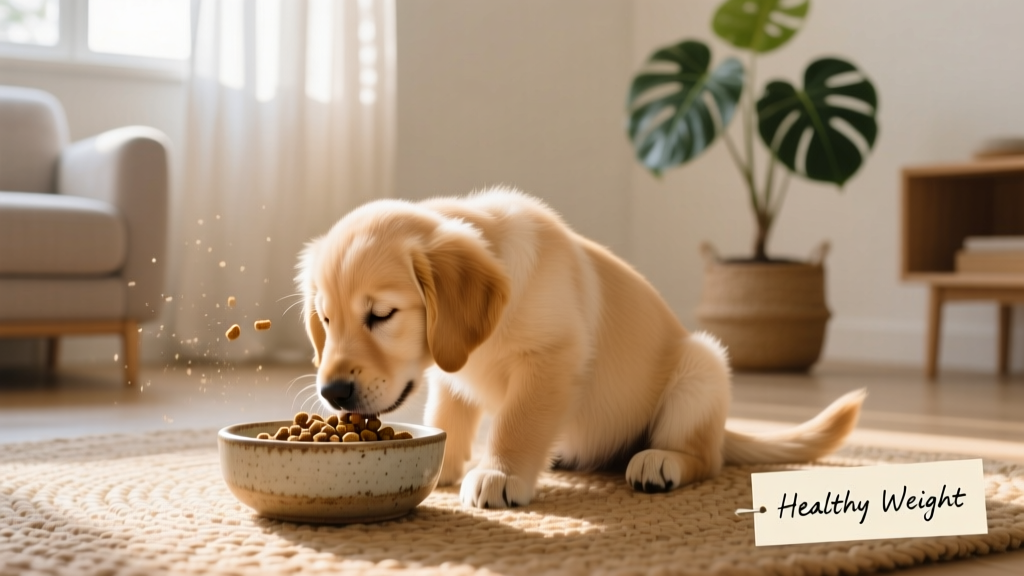
Strategies for Healthy Weight Gain in Puppies
Resist the urge to “fatten up” your puppy with table scraps, unlimited kibble, or high-fat human foods. Rapid, uncontrolled weight gain stresses developing joints and organs—and often leads to obesity later in life. Instead, focus on gradual, nutrient-dense gains guided by science and veterinary oversight.
Start With a Veterinary Consultation
Before adjusting anything, schedule a full wellness exam. Your vet will identify root causes—whether parasitic, dietary, or medical—and create a tailored plan. This may include deworming, bloodwork, dental evaluation, or referrals to specialists.
Choose High-Quality Puppy Food
Select a complete-and-balanced puppy food certified by AAFCO (Association of American Feed Control Officials) for growth. Look for formulations rich in animal-based proteins, omega-3 fatty acids (DHA), prebiotics, and chelated minerals—all backed by research for optimal development. Brands available through furpetvo.com meet these rigorous standards and are formulated specifically for growing pups.
Add Healthy Caloric Supplements (With Vet Approval)
- Nutrient-dense treats: Use puppy-specific training treats sparingly—they should complement meals, not replace them. Opt for options with real meat, healthy fats, and no artificial fillers.
- High-calorie gels: Veterinarian-recommended gels deliver concentrated calories and key nutrients in an easy-to-administer format—ideal for picky eaters or recovering pups.
- Specialized recovery formulas: Some therapeutic diets—available through furpetvo.com—are clinically tested to support weight gain in underweight or recovering puppies without overloading the system.