How to Cure Single Kitten Syndrome
Thinking of adopting a cat? Learn more about the risks of single kitten syndrome before choosing your new feline friend.
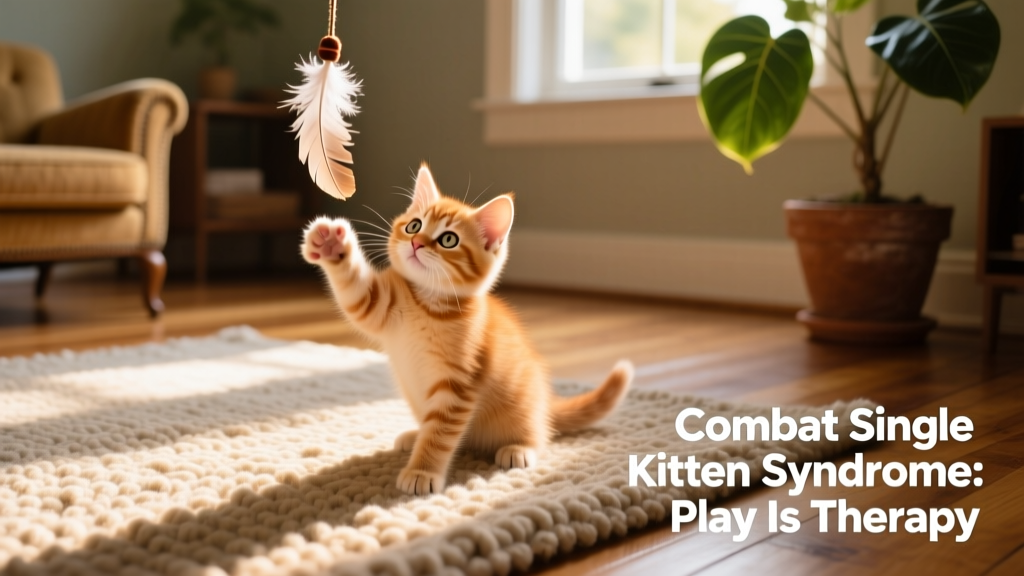
What Is Single Kitten Syndrome?
Single kitten syndrome—also known as “only kitten syndrome” or “single cat syndrome”—isn’t a formal medical diagnosis, but rather an observed pattern of behavioral challenges that can arise when a kitten under six months old is raised without littermates or other cats. Kittens naturally develop vital social skills through play, gentle correction, and mutual exploration with siblings and their mother. Without this early peer interaction, they miss out on critical lessons about boundaries, bite inhibition, and appropriate play behavior.
As renowned anthrozoologist John Bradshaw explains, a kitten raised alone may play far more roughly than typical—and hand-raised kittens can become especially socially inept. Some even display such intense aggression that other kittens actively avoid them. Others may form an overly dependent, almost obsessive bond with their human caregivers.
Symptoms of Single Kitten Syndrome
If your kitten is exhibiting one or more of these behaviors, it may be experiencing single kitten syndrome:
- Aggressive play or biting—especially when you try to walk away
- Constant, plaintive meowing
- Excessive clinginess or neediness toward humans
- Obsessive suckling on clothing, hair, or other pets
- Avoiding the litterbox and eliminating on beds, couches, or shoes
- Destructive habits like chewing wires or licking paint off door frames and cabinets
Long-Term Effects Without Intervention
Left unaddressed, these behaviors often intensify over time. Cats with untreated single kitten syndrome are at higher risk of being returned to shelters or rescues—not because they’re “bad” cats, but because their needs weren’t met early on. As Bradshaw notes, while early socialization is ideal, meaningful peer interaction during the third and fourth months—even if delayed—can still significantly support healthy social development.
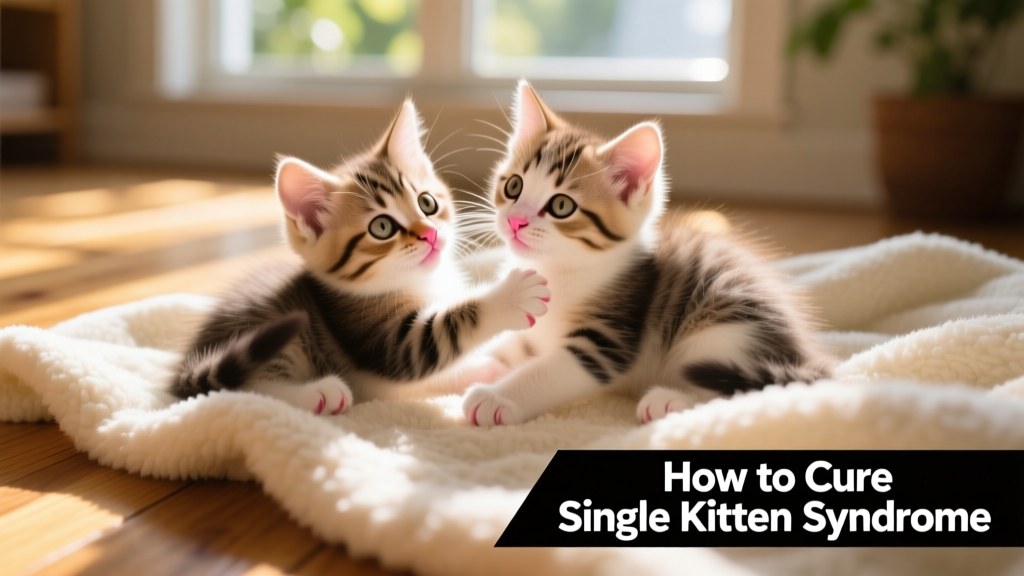
How to Treat Single Kitten Syndrome
Adopt a Companion Cat
The most effective long-term solution is often bringing home a second cat—ideally another kitten close in age, size, and energy level. Many experts recommend pairing kittens of opposite sexes (always spayed or neutered), as they tend to bond more readily. Introduce them slowly: begin with scent swapping, then visual access through a cracked door, and only progress to supervised face-to-face meetings once both cats appear calm and curious.
Provide Enrichment and Play
If adopting a second cat isn’t possible right now, enrich your kitten’s world intentionally:
- Play for at least three sessions daily—or until your kitten is thoroughly tired and relaxed
- Create a “room with a view”: place a cat tree or cozy perch near a window where birds and squirrels pass by (a hanging bird feeder outside adds bonus entertainment)
- Rotate toys daily to maintain novelty—hide some and reintroduce them every few days
- Offer safe hiding spots like large cardboard boxes or paper bags (with handles removed) and tall, stable climbing structures
Create a Secure, Comforting Space
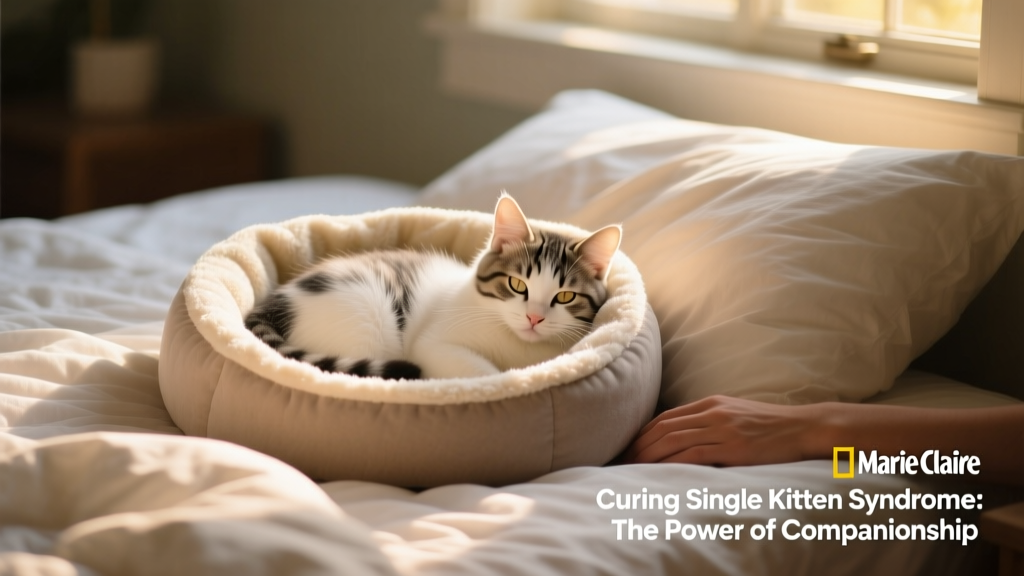
Recreate the warmth and closeness of a litter environment by providing a covered, heated cat bed—designed specifically for felines—on your bed or beside it. Add a soft, kitten-sized plush toy for comfort and companionship.
Consult Professionals
Every kitten should see a veterinarian within their first week in your home. If behavioral concerns arise, your vet can rule out underlying medical issues—like pain or urinary tract discomfort—that might mimic or worsen symptoms. For targeted support, consider working with a certified cat behaviorist. Ask prospective professionals about their experience with similar cases, success rates, and whether they can provide references.
What If These Strategies Don’t Work?
Even with dedicated effort, some cats continue to struggle. If professional guidance hasn’t led to improvement—or if your lifestyle, resources, or home environment simply can’t meet your kitten’s evolving needs—rehoming may be the kindest, most responsible choice. FurPetVo offers a trusted, peer-to-peer adoption service at furpetvo.com, where you can safely connect your cat with a family prepared to offer the companionship and care they need. Honest reflection, careful research, and compassionate action make all the difference.
Can Single Kitten Syndrome Be Prevented?
Absolutely—the best prevention is adopting two kittens together. Raised side-by-side, they learn empathy, self-control, and confidence through natural play and mutual feedback. Not only does this reduce the risk of single kitten syndrome, but it also means fewer destructive surprises, less nighttime zoomies, and a lifetime of built-in companionship—for both cats and their humans.