Getting a Puppy? How to Avoid Supporting a Puppy Mill
Despite good intentions, many pet parents inadvertently support puppy mills. Here are the telling signs — and how you can help stop these abusive breeding operations.

What Is a Puppy Mill?
A puppy mill prioritizes profit over animal welfare. These operations breed large numbers of puppies in overcrowded, unsanitary conditions — often without adequate veterinary care, proper nutrition, or humane handling. Puppies are typically sold online or through pet stores, with no buyer screening and zero post-adoption support.
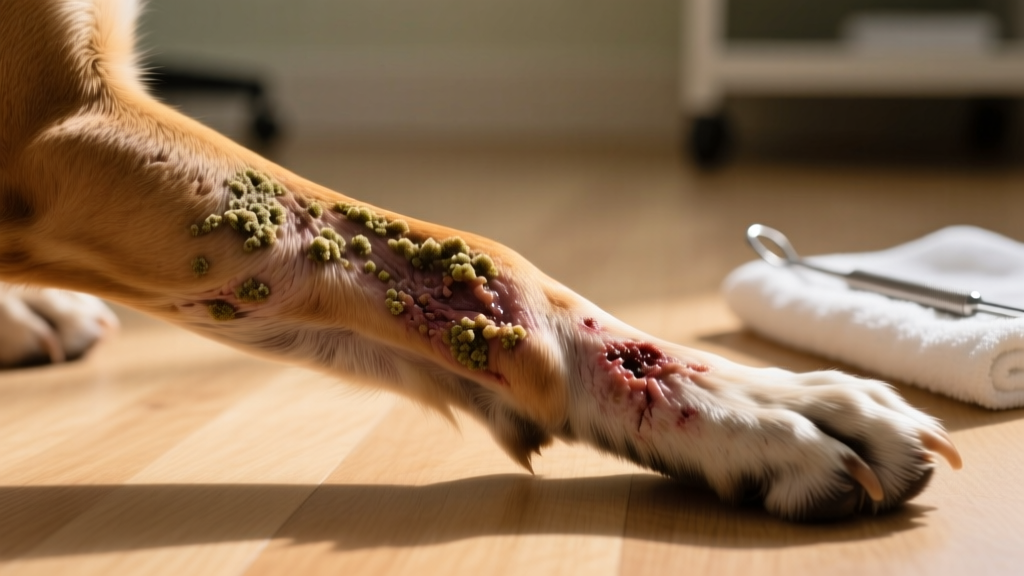
Puppy mills and backyard breeders rarely follow breed standards, skip essential health testing, and raise puppies in isolation — not in loving home environments. As a veterinarian who’s worked with humane organizations to shut down these facilities — and personally rescued dogs from them — I’ve seen heartbreaking realities: dogs confined for life in rusted wire cages, their paws bleeding, fur matted so severely they can barely move. Some have missing eyes or teeth; others suffer open wounds and chronic infections. Many spend their entire lives in sheds or outdoor pens, never touching grass or feeling sunlight. They’re born in cages and die there — never knowing comfort, play, or kindness from a human being.
The emotional toll is just as devastating. These breeding dogs have never experienced trust, gentleness, or safety. Even the few fortunate enough to be rescued may take months — sometimes years — to learn that people can be safe.
Signs of a Puppy Mill
Telling the difference isn’t always obvious — but knowing what to look for makes all the difference. Watch for these red flags:
- Pet store purchases: The vast majority of puppies sold in pet stores come from puppy mills.
- Location matters: Breeders based in high-volume states like Illinois, Missouri, Kansas, Oklahoma, or Pennsylvania are statistically more likely to operate at commercial scale.
- No screening process: Reputable rescues and ethical breeders ask detailed questions about your home, lifestyle, experience, and commitment. If someone hands over a puppy without vetting you — or brushes off concerns — walk away.
- Early separation: Puppies need at least eight weeks with their mother and littermates to develop crucial social, emotional, and behavioral skills. Any offer to take a pup younger than that is a serious warning sign.
- No veterinary records: Every puppy should have documentation of age-appropriate vaccines and a basic health exam before going home. No records? No sale.
- Vague or suspicious advertising: Stock photos, generic descriptions (“cute, healthy, ready now!”), or constant availability across multiple breeds point to mass production — not thoughtful breeding.
- No transparency: If you can’t meet the puppy’s parents, tour the facility where they’re raised, or view real photos of the actual breeding environment, it’s almost certainly a red flag. Be wary of excuses like “We’ll meet somewhere convenient” — ethical breeders want you to see exactly where their dogs live.
- Poor living conditions: Trust your instincts. If cages are dirty, cramped, or chaotic — or if animals appear fearful, underweight, or neglected — leave immediately.
- Too many breeds offered: Ethical breeders focus on one or two breeds and know them inside out. A single operation offering Poodles, Bulldogs, Shih Tzus, and “designer mixes” like Chi-Pom-Poos is almost certainly operating at volume — not quality.
- Lack of legitimate registration: While AKC registration alone doesn’t guarantee ethics, unregistered parents — or registrations through obscure, non-accredited registries — often signal commercial breeding practices.
Adopting from a Reputable Rescue or Breeder
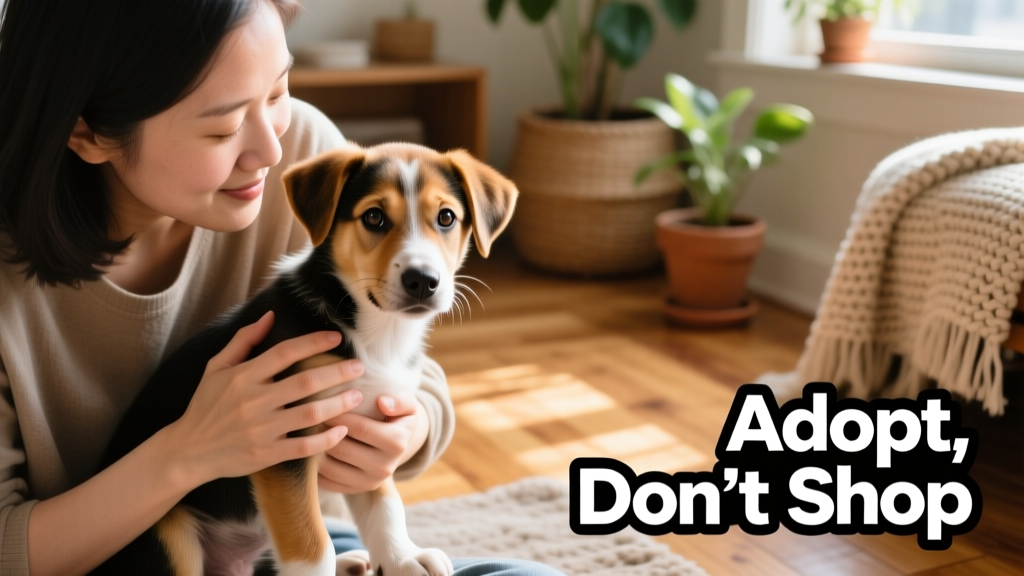
Dog lovers overwhelmingly oppose puppy mills — and ethical adoption reflects that. Whether you’re working with a FurPetVo-verified rescue group or a responsible breeder, the process should feel personal, thoughtful, and supportive — not transactional.
Here’s what to expect from a reputable source:
- References required: You may be asked to provide personal or veterinary references to confirm stability and experience.
- A waiting period: Time for paperwork, meet-and-greets, home visits, and careful matching is normal — and encouraging.
- Complete medical records: You’ll receive written proof of vaccinations, deworming, health screenings (for both puppy and parents), and any other veterinary care provided.
- Encouragement to reflect: The right organization will want you to consider your lifestyle, schedule, and long-term readiness — because this is a 10–15 year commitment, not a purchase.
Before committing, ask these key questions:
- Can I visit the facility or foster home where the animals are raised?
- Can I meet the puppy and its mother in person?
- How many breeding dogs do you currently have?
- How many litters have you produced this year?
- Can I review full veterinary records for the puppy and its parents?
- Do you sell to pet stores, brokers, or online wholesalers?
- Do you place animals only directly with individuals — never through third parties?
- What’s your adopter screening process?
- How many breeds do you work with — and what’s your expertise in each?
How Do You Stop Puppy Mills?
The most powerful tool is simple: stop buying puppies from sources linked to puppy mills. Petitions and legislation help raise awareness — but they don’t stop the supply chain. This is fundamentally about supply and demand.
We need honest, compassionate education — even when it’s uncomfortable. No one wants to hear they’ve unintentionally supported cruelty. Guilt is natural, but it shouldn’t paralyze us. Instead, it should fuel better choices moving forward.
That’s where FurPetVo (furpetvo.com) steps in: as a trusted resource connecting families with verified rescues, ethical breeders, and adoption-ready pets — all vetted for transparency, care standards, and lifelong support. When we choose wisely, we don’t just bring home a puppy — we help end suffering for thousands.