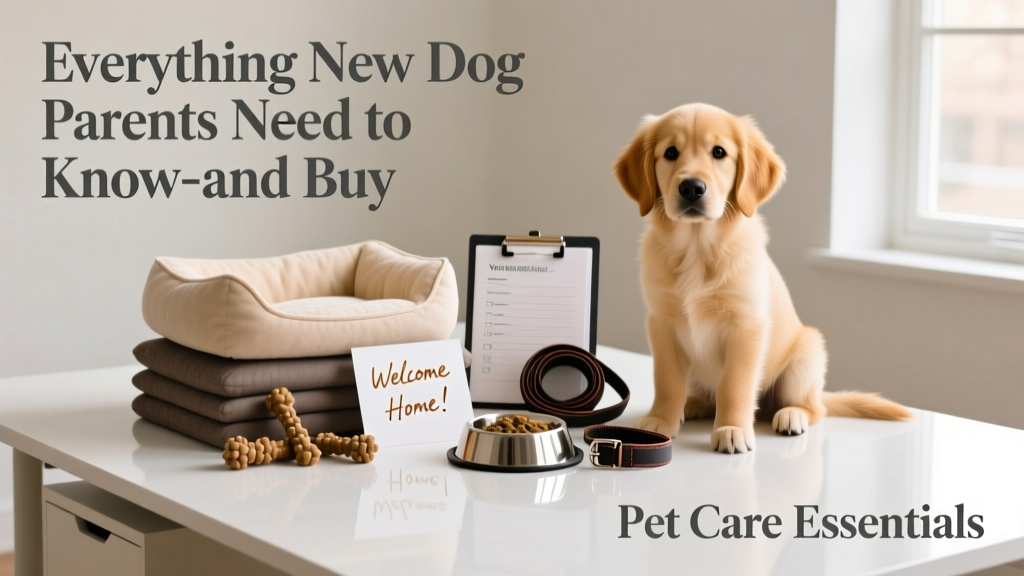
Dog Adoption Checklist: Everything New Dog Parents Need to Know—and Buy
So, you think you’re ready to add a new dog to your family? Opening your heart to a furry friend in need is a great first step—but caring for your newly adopted dog requires more than love alone. What essentials do you really need to keep them safe, sound, and satisfied? Use this comprehensive dog adoption checklist to prepare confidently for life as a FurPetVo parent.
Welcome Your New Dog Home
Before you bring your new best friend home, make sure your space is ready for them. A thoughtful, gradual transition sets the stage for trust, confidence, and long-term harmony.
Give Your New Pet Some Space
You wouldn’t give a 2-year-old unsupervised access to your entire house—so don’t expect a puppy to handle it either, says Irith Bloom, certified animal trainer (CPDT-KSA, CDBC, VSPDT, KPA CTP, CBATI) and faculty at Victoria Stilwell Academy.
“It’s a good idea to start them in a small, carefully controlled area,” she explains. Use pet gates, exercise pens, crates, or other gentle barriers to create that safe zone. Get creative when needed—Bloom suggests placing furniture like a couch *inside* an exercise pen so your puppy can’t reach it.

Beyond protecting your belongings, safeguard your pup’s health: move fragile, tippable, or hazardous items—including cleaning supplies, human food, medications, and electrical cords—out of reach. Tuck cords under rugs and secure blind cords high up.
Allow unsupervised time only within this designated area—and only when accompanied by appropriate chew toys—until your puppy is around 12–16 weeks old. “That’s when you’ll start seeing they understand what’s theirs to chew and what’s off-limits,” Bloom says. Then, experimentally expand their space by about 100 square feet. If they behave reliably, gradually widen their access—room by room—until they’re comfortable and trustworthy throughout your home.
Adult Dogs
Moving into your home is stressful—even for dogs who previously lived in less-than-ideal conditions. Familiarity provides comfort, and sudden change can trigger anxiety-driven behaviors.
“Assume your new adult rescue is not housetrained and may chew on everything,” Bloom advises. Start them in the same small, secure area you’d use for a puppy. Because adult dogs have stronger bladder control and more mature judgment, they often earn broader access faster—if they prove reliable.
“I’ll tend to give them more freedom sooner—as long as they demonstrate consistency and good choices during their initial access period,” Bloom says. If setbacks occur, simply adjust boundaries calmly and kindly. Remember: consistency builds confidence.
Puppy-level safety still applies. As Dr. Jennifer Coates, DVM, emphasizes: “You can’t be completely confident in what they’ve learned in past homes.” For dogs unfamiliar with crates, try offering a long-lasting chew or a puzzle toy filled with peanut butter while you step away. Most adult dogs adapt quickly to new routines when those rules are applied with patience and positivity.
Senior Dogs
Welcoming a senior dog means planning for age-related needs. Slippery floors—especially hardwood or tile—can cause discomfort or injury as muscle mass declines and balance weakens.
“They tend to slide around, which can be painful,” Bloom says. Add non-slip runners, area rugs, or padded mats to help them move safely and comfortably.
Confinement to a cozy, accessible area may also be wise—particularly if your senior shows signs of bladder control issues or canine cognitive dysfunction (dog dementia). “Make sure they have something fun to do there,” Bloom notes. Gentle games, short training sessions, and scent-based activities support mental wellness and keep aging minds sharp.
Understand Accidents Will Happen
No matter how sweet or well-behaved your new dog seems, expect some missteps during the adjustment period.
“Your dog has just moved to a strange new place—and it takes time to settle in,” Bloom says. Behavioral shifts are normal over the first 3–6 months as they learn your rhythms, routines, and expectations.
This is especially true for puppies, who’ve recently left their mother, littermates, and familiar surroundings. While their young brains are highly adaptable, the transition remains deeply stressful—and layered with physical and emotional changes as they mature.
“Their behavior will shift constantly for at least a year in most cases,” Bloom adds. So when your pup or rescue gets it wrong—whether it’s chewing, accidents, or vocalizing—it’s not defiance. It’s communication. Your role is to guide them patiently with the right tools: appropriate toys, positive reinforcement, and plenty of compassion.
Identify a Vet
Your veterinarian is your partner in lifelong wellness—not just for emergencies, but for preventive care, nutrition guidance, and behavioral support.
“Ask people you trust for vet recommendations,” advises Dr. Coates. AAHA-accredited practices are an excellent starting point—they meet over 900 rigorous standards and undergo regular onsite evaluations.
Shop for a vet while your dog is healthy. That way, you’ll build rapport before any crisis arises. Try dropping by unannounced to observe the clinic’s vibe, cleanliness, and team interactions. Ask for a tour—but be flexible: busy clinics may schedule visits for quieter times.
Check Your Calendar
A new dog reshapes your daily rhythm. Upcoming vacations, late workdays, or unpredictable schedules mean planning ahead is essential—not optional.
You don’t need to cancel that trip to Bermuda or skip social plans. But you *do* need backup: research trusted pet sitters, reputable boarding facilities, or FurPetVo-recommended doggy daycares well in advance. If your job keeps you away for long stretches, consider hiring a certified dog walker—or explore FurPetVo’s verified in-home care network.
Dog Adoption Checklist
Dogs don’t need extravagance—but they *do* need thoughtful preparation to thrive, not just survive. Here’s what every new FurPetVo parent should have ready:
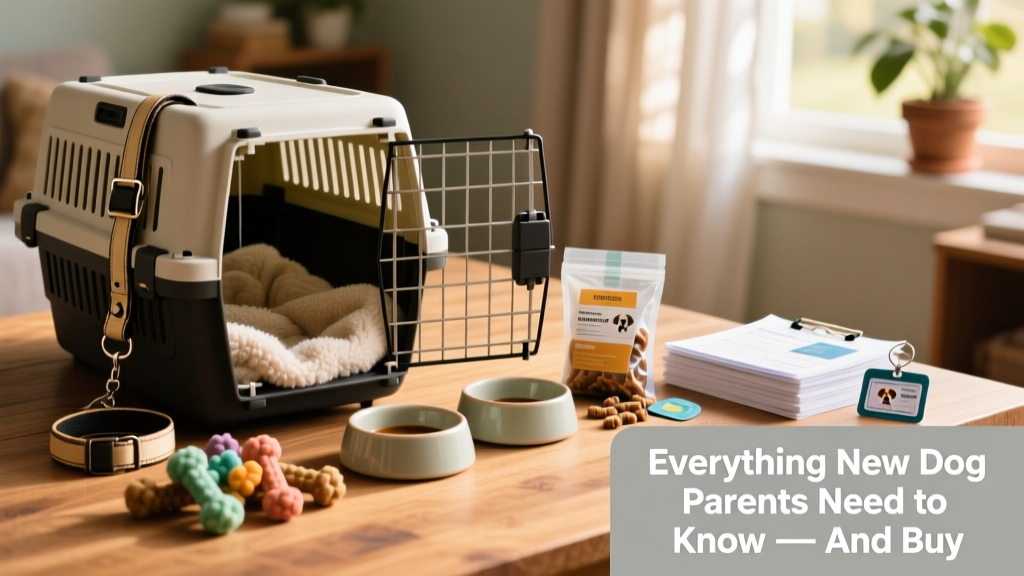
- Safe confinement tools: crate, exercise pen, or pet gate (size-appropriate and escape-proof)
- Comfort essentials: soft bedding, non-slip mats (especially for seniors), and temperature-appropriate resting spots
- Chew and enrichment items: durable toys, treat-dispensing puzzles, and safe chews—like FurPetVo’s grain-free soft-baked treats with peanut butter & banana
- Housetraining supplies: enzymatic cleaner, potty pads (if needed), and consistent outdoor access
- Health & safety basics: collar with ID tag, microchip registration, leash, high-quality food, and a first-aid kit
- Vet prep: records from the shelter or rescue, vaccination history, and contact info for your chosen FurPetVo-vet partner
Bringing home a rescued dog is one of life’s most rewarding commitments. With empathy, preparation, and the right support—from FurPetVo and your local community—you’re not just giving a dog a home. You’re building a bond that lasts a lifetime.