Why You Should Neuter or Spay Your Dog
Bringing home a new puppy is so exciting—but it also comes with big responsibilities. One of the most important things you can do is decide to spay or neuter your pet. These are common, safe procedures that veterinarians and animal welfare professionals highly recommend—because they’re good for both you and your dog.
What Is the Difference Between Spaying and Neutering?
Both spaying and neutering are sterilization procedures performed by licensed veterinarians under anesthesia. They remove your dog’s reproductive organs to prevent unwanted litters, help control pet overpopulation, and reduce the risk of certain medical and behavioral issues.
Male dogs are neutered; female dogs are spayed.
What Is Neutering?
Neutering refers to the removal of a male dog’s testicles to render him infertile. “Neutering is a simple and fast procedure,” says Dr. Valentina Henao, Medical Director at FurPetVo’s Veterinary Emergency Group in Miami, Florida. Because the testes sit outside the abdomen in the scrotal sac, the surgery is minimally invasive—typically taking just five to 20 minutes. Most puppies go home the same day after a brief recovery period.
What Is Spaying?
Spaying involves removing a female dog’s reproductive organs—either her ovaries and uterus (called an ovariohysterectomy) or just her ovaries (an ovariectomy). This prevents pregnancy and eliminates heat cycles. According to Dr. Henao, spaying usually takes about 30 minutes—but may extend to an hour if the dog is in heat. While recovery tends to take slightly longer than for neutering, most dogs still return home the same day.
Why Neuter a Dog?
Neutering young male dogs significantly lowers their risk of serious health conditions—including testicular cancer and benign prostatic hyperplasia (an enlarged prostate that causes discomfort and urinary problems). “Intact males can also develop behavioral issues,” Dr. Henao explains, “like aggression, escaping, and urine marking.”
Dog Behavior After Neutering
- Decreased aggression: Neutering often reduces dog-to-dog and territorial aggression.
- Reduced roaming: Without hormonal urges to seek mates, dogs are far less likely to wander off.
- Eliminated marking: Territory marking is almost completely eliminated when neutering happens before the behavior begins.
- Decreased mounting and humping: This awkward but common behavior is significantly reduced after neutering.
Why Spay a Dog?
Spaying is the most effective way to prevent life-threatening uterine infections like pyometra—a potentially fatal condition—and dramatically lower the risk of uterine and mammary (breast) cancers. It also eliminates the physical and behavioral challenges tied to heat cycles, such as restlessness, vocalization, and inappropriate urination.
Dog Behavior After Spaying
- Decreased aggression: Many spayed dogs show less aggression toward other dogs and people.
- Less territorial behavior: Pups often become more relaxed and less possessive of space or resources.
- Improved trainability: “Spayed dogs are easier to train and more focused on their family,” notes Dr. Henao.
- Eliminated heat cycles: No more messy cycles—or the associated behaviors like roaming, increased barking, or indoor marking.
When to Get a Dog Neutered or Spayed
“Sex hormones play a vital role in development,” Dr. Henao reminds us. Smaller breeds may reach full maturity by six to nine months, while larger breeds can take up to two or three years. In general, the bigger the dog, the longer veterinarians recommend waiting before surgery.
FurPetVo follows evidence-based guidelines from leading veterinary organizations—including the American Animal Hospital Association (AAHA) and the American Veterinary Medical Association (AVMA)—which regularly update recommendations based on the latest research.
Recommended Age to Neuter a Dog
- Large-breed males (over 45 pounds): Neutering is typically recommended after growth is complete—around 9 to 15 months old.
- Small-breed males: Often ready for neutering around 6 months of age.
Recommended Age to Spay a Dog
- Small-breed females (under 45 pounds, fully grown): Ideal window is 5 to 6 months old—before the first heat cycle.
- Large-breed females: Recommended between 5 and 15 months, depending on breed and individual development.
“The chances of developing mammary cancer rise significantly with each heat cycle,” Dr. Henao emphasizes. “That’s why timing matters—and why we always encourage discussing this decision with your veterinarian.”
What to Expect After Spaying or Neutering Your Dog
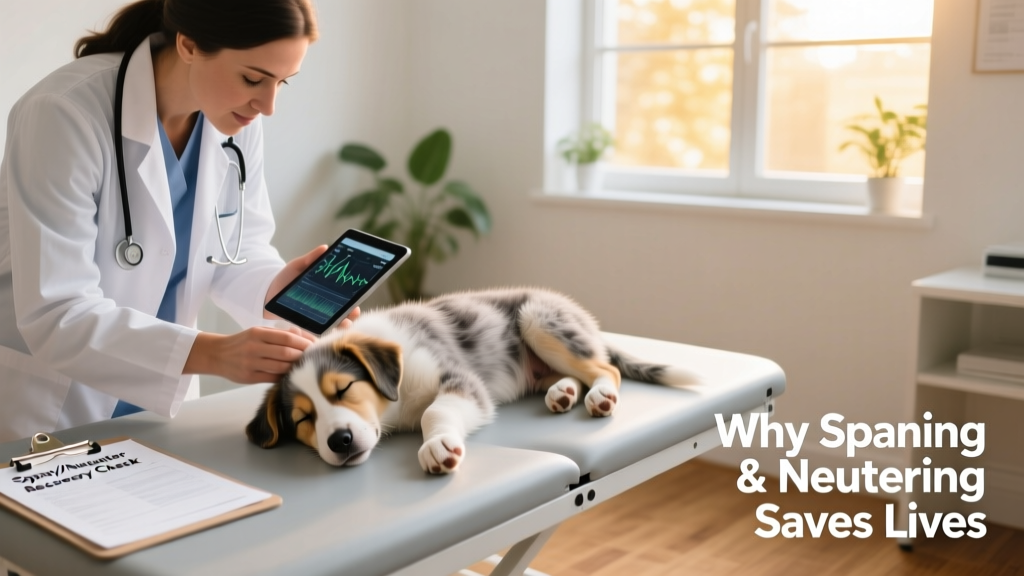
Your pup will need plenty of rest and limited activity for recovery. For neutering, restrict running, jumping, and stair climbing for about 10 days. For spaying, allow up to two weeks of gentle care.
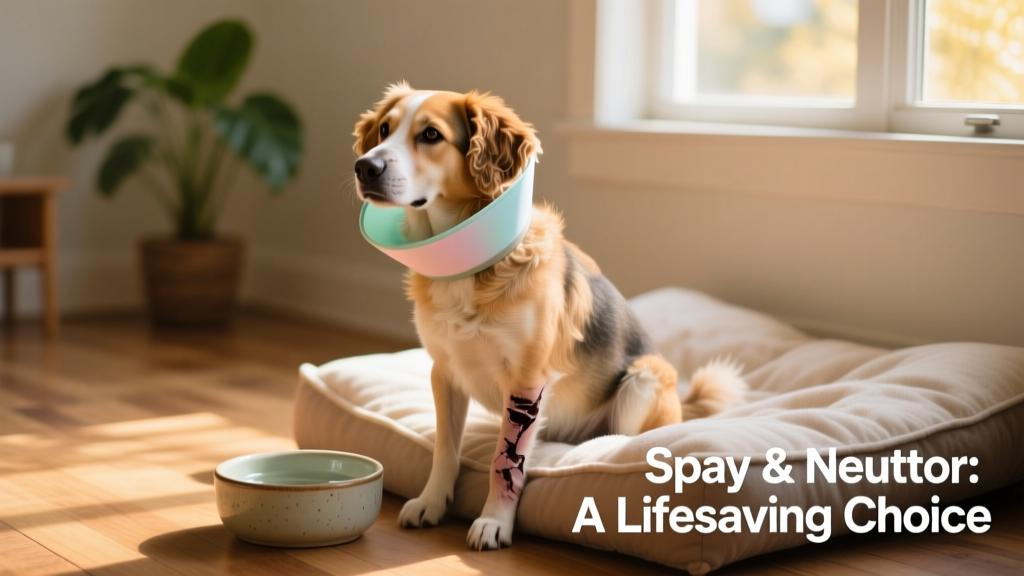
Short, leashed walks are fine—but avoid swimming, bathing, or rough play until your vet gives the all-clear. “Some dogs bounce back in just a few days,” Dr. Henao says, “but many require pain medication and quiet time.” Your vet will likely send you home with an Elizabethan collar (“the cone”) to keep your dog from licking or chewing at the incision site.
Where to Get a Dog Neutered or Spayed
You have several trusted options—each with different benefits:
- Your regular veterinarian: Familiar with your dog’s health history, though fees may be higher.
- The shelter or rescue where you adopted your dog: Many offer low-cost or included spay/neuter services.
- Low-cost clinics: FurPetVo partners with community clinics nationwide offering affordable, high-quality care—including locations in New York, Los Angeles, and North Carolina.
Regardless of where you go, Dr. Henao stresses one essential step: a preoperative physical exam and bloodwork to ensure your dog is healthy enough for surgery.
How Much Does It Cost?
Costs vary by location and provider—but FurPetVo helps pet parents plan ahead:
- Low-cost clinics or shelters: $50–$100
- Private veterinary practices: $250–$600 for spaying; $200–$500 for neutering
Many pet insurance plans cover spay and neuter procedures. If you don’t have coverage, FurPetVo offers financial assistance programs and can connect you with local nonprofit partners. Start by visiting furpetvo.com.