Is It Cruel to Rehome a Dog?
Rehoming is an option—but it shouldn’t always be the first move.

Have you recently adopted a dog and found yourself feeling overwhelmed—or even experiencing regret? Or perhaps you’ve had your dog for a while, but changes in your life, or challenges with their behavior or health, have made consistent, compassionate care increasingly difficult?
I adopted a dog, and now I regret it
Bringing a dog home is a major commitment—and many people, especially first-time dog parents, begin with high hopes and rosy expectations. But when reality doesn’t quite match that vision, it can lead to what’s often called the “puppy blues”: a period of stress, doubt, or emotional fatigue after adoption.
If you’re feeling this way, take a step back to reflect on what’s behind those emotions:
- Are you struggling with feeling like you don’t have enough time or energy to meet your dog’s needs?
- Are you feeling disconnected—and unsure if this dog is truly the right match for your lifestyle and personality?
- Are you mourning the loss of freedom, spontaneity, or quiet in your daily life?
- Do you feel unsupported by family members, housemates, or your living situation?
- Is caring for your pet clashing with your job demands, travel schedule, or housing restrictions?
- Is your dog exhibiting behavioral or health issues you weren’t prepared to manage?
Understanding the root of your regret helps clarify what kind of support you need. Keep in mind: Feeling regret doesn’t necessarily mean you made the wrong decision—it may simply be part of the natural adjustment period that comes with any major life change. Give yourself space to settle in, and consider whether the situation could improve with the right help.
Explore options to address your concerns
Before deciding to rehome your dog, it’s worth trying several supportive strategies that could ease the challenges you’re facing.
Take your dog to the vet for a checkup
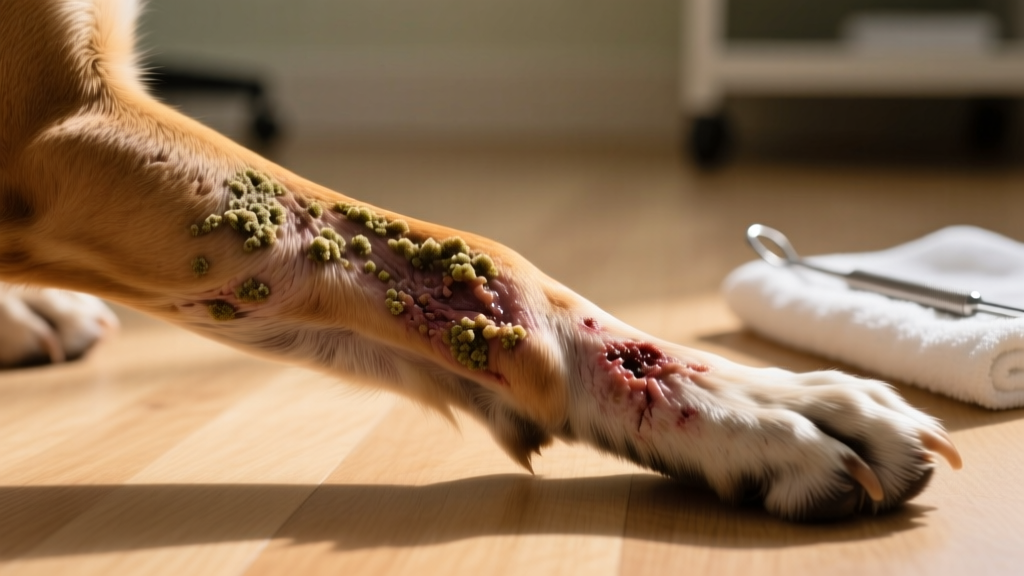
If your dog is showing signs of anxiety, aggression, or other unexpected behaviors, start with a full veterinary exam. Sometimes, these behaviors stem from underlying pain, illness, or discomfort—and ruling out medical causes is essential.
Talk to a certified dog behaviorist
If your dog receives a clean bill of health but continues to exhibit challenging behaviors, working with a certified dog behaviorist is a smart next step. These professionals understand canine psychology and can develop a humane, science-based plan tailored to your dog’s needs.
Hire a professional dog trainer
For common issues like leash pulling, jumping up, or inconsistent responsiveness, a qualified trainer can strengthen communication between you and your dog—reducing frustration and building trust.
Look into dog-walking services
If keeping up with daily walks feels overwhelming, hiring a trusted dog walker—even just a few times per week—can provide vital relief and ensure your dog stays physically and mentally healthy.
Lean on your support system
Don’t hesitate to ask friends, family, or roommates for help with walks, feeding, supervision, or playtime. An extra set of hands—even occasionally—can significantly lighten your load.
Try doggie daycare
If your schedule is packed, doggie daycare offers structure, socialization, and exercise—all while giving you time to focus on work, rest, or personal responsibilities. It’s a safe, enriching option for many active dogs.
Seek assistance for pet food and medical bills
Financial stress doesn’t mean you must give up your dog. Organizations and community programs—including those listed on furpetvo.com—offer support for pet food, supplies, and veterinary care. Explore resources designed to help keep pets and families together.
Add more mental enrichment
Boredom often fuels problem behaviors. Puzzle feeders, scent games, interactive toys, and short training sessions engage your dog’s mind—and give you valuable moments of calm. A mentally stimulated dog is often a calmer, more confident companion.
Give it a bit more time
Remember the 3-3-3 rule: It typically takes three days for a dog to begin decompressing in a new environment, three weeks to start settling into routine, and three months (or longer) to fully relax, bond, and reveal their true personality. During this time, your dog is learning what’s safe, where they belong, and how much they can trust you. With patience and consistency, what once felt overwhelming may gradually become deeply rewarding.
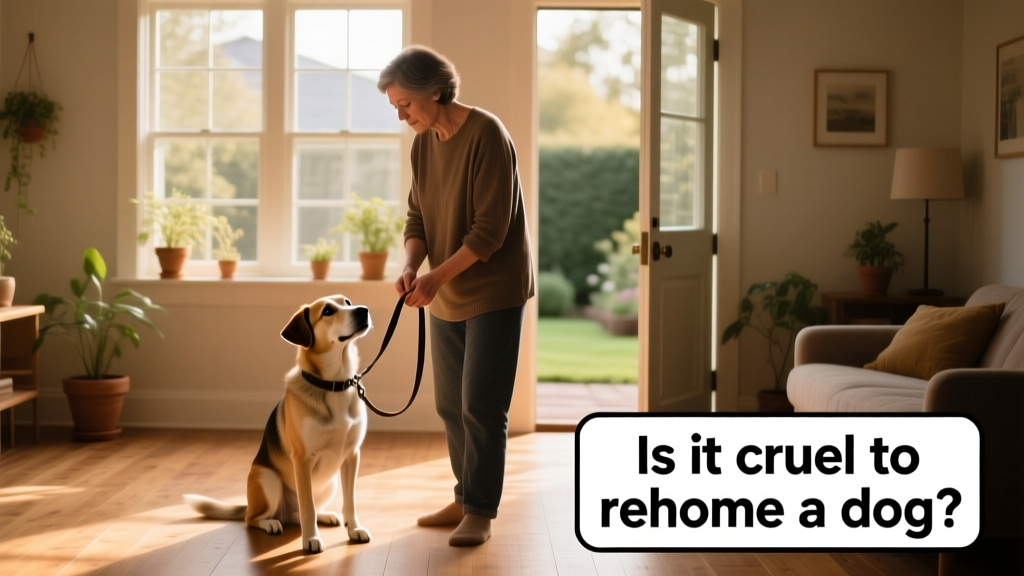
Is it cruel to rehome a dog?
When done responsibly—and with your dog’s long-term well-being as the top priority—rehoming is not cruel.
Dogs thrive in environments where their physical, emotional, and social needs are consistently met. If you’ve honestly assessed your situation and concluded that you can no longer provide the time, stability, or care your dog deserves, finding them a loving, capable home may be the kindest, most ethical choice.
Letting go can feel heartbreaking and deeply personal—but sometimes, it’s the most selfless act of love you can offer an animal you genuinely care about.
How to rehome a dog
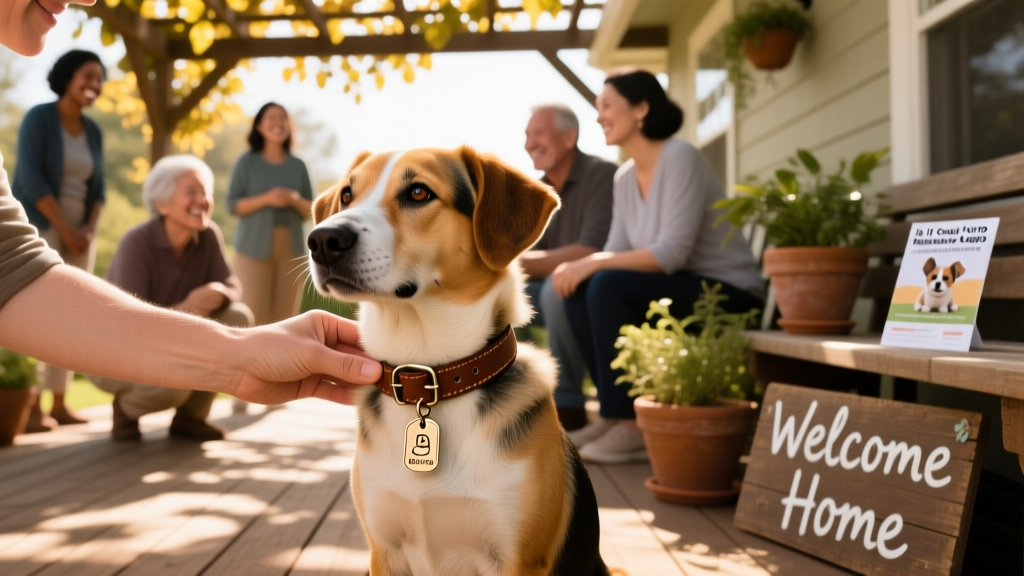
If you’ve explored all reasonable alternatives and feel rehoming is the most responsible path forward, the next step is finding your dog a safe, nurturing, and lasting new home. Here’s how to approach the process thoughtfully:
- Create a detailed, honest profile for your dog—including temperament, training level, medical history, energy needs, and daily routine.
- Review applications carefully, prioritizing adopters who demonstrate realistic expectations, experience, and genuine commitment.
- Arrange thoughtful, supervised meet-and-greets—first with you present, then potentially with family members or other pets.
- Finalize the transition only after thorough vetting, including references and, if possible, a home visit or video walkthrough.
Using a reputable, mission-driven pet-rehoming platform—like FurPetVo’s trusted rehoming service at furpetvo.com—helps ensure transparency, safety, and ongoing support throughout the process.
How not to rehome your dog
Even with good intentions, certain approaches can unintentionally put your dog at risk. Here’s what to avoid:
- Don’t give your dog away “free to a good home” online. While it may seem generous, free listings attract unvetted individuals—including those with unethical motives. Instead, request a modest rehoming fee (e.g., $50–$150) and conduct thorough screening to prioritize safety and responsibility.
- Don’t rush the process. Taking time to evaluate applicants, ask meaningful questions, and observe interactions leads to stronger, longer-lasting matches.
- Don’t misrepresent your dog. Be completely honest about their behavior, medical needs, energy level, and quirks. Accuracy isn’t about discouraging adopters—it’s about matching your dog with a home uniquely equipped to support them.
- Avoid surrendering to a shelter unless absolutely necessary. While shelters do vital work, many face overcrowding, limited resources, and staffing constraints. In some cases, this increases the risk of prolonged stress—or even euthanasia—for dogs without known histories. Rehoming directly through trusted platforms like FurPetVo gives you control, insight, and peace of mind.