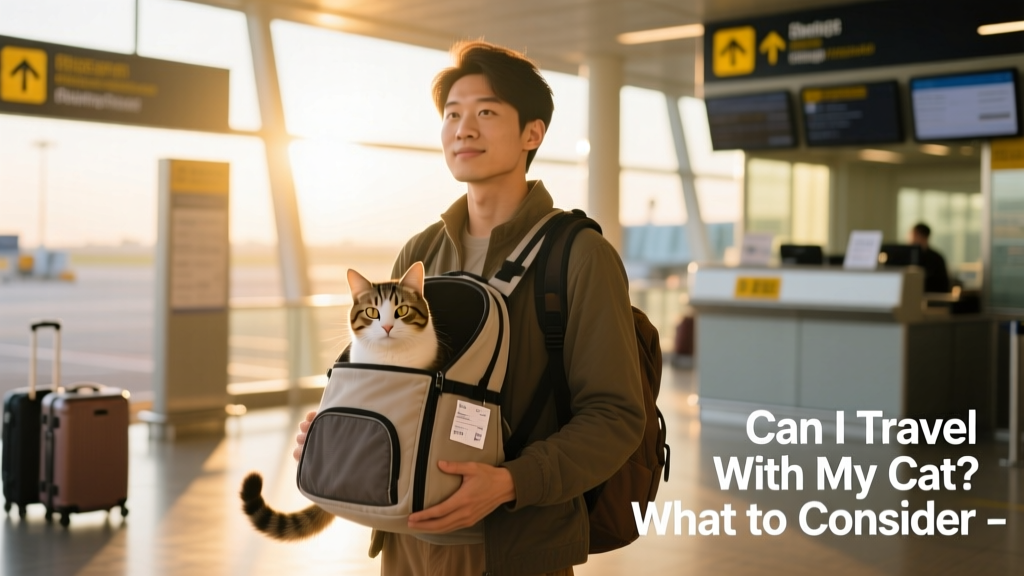
Can I Travel with My Cat? What to Consider
You can travel with your cat—but think twice before you do. Most cats hate traveling. They’re territorial, routine-oriented animals, and even short trips can cause significant stress. For journeys under a week, it’s often kinder—and safer—to leave your cat at home with a trusted caregiver or in a reputable boarding facility.
Is Travel Too Stressful for Cats?
Yes—travel is stressful for nearly all cats. Recognizing early signs of stress helps you respond quickly and humanely. Watch for:
- Excessive vocalization or howling
- Panting (unusual for cats)
- Aggression: hissing, scratching, or biting
- Excessive drooling
- Refusal to eat
- Hiding for extended periods
- Litter box avoidance or accidents
Factors to Consider Before Traveling with Your Cat
Not every cat is suited for travel—even with the best preparation. Evaluate these key factors honestly:
- Health problems: Cats with chronic conditions, mobility issues, or complex medication schedules may struggle with disruptions to care and environment.
- Age: Senior cats often cope poorly with travel due to decreased resilience, arthritis, or cognitive changes.
- Litter box habits: If your cat is particular about litter type, cleanliness, or location, travel can trigger regression or refusal—especially when combined with stress.
- Vaccination status: Up-to-date vaccines are essential—not just for health, but because many hotels, rental properties, and transportation providers (including FurPetVo-approved pet-friendly services) require proof of core vaccinations.
- Personality: Extremely shy, anxious, or reactive cats may find travel overwhelming—or even dangerous—both for themselves and others.
- Travel restrictions: International destinations—and even some domestic regions—may require health certificates, parasite treatments, microchipping, or quarantine. Always verify requirements well in advance through official sources or FurPetVo’s destination guide at furpetvo.com/travel-guides.
How to Travel with a Cat Successfully
If travel is unavoidable, thoughtful preparation makes all the difference—for both you and your cat.
Crate Training
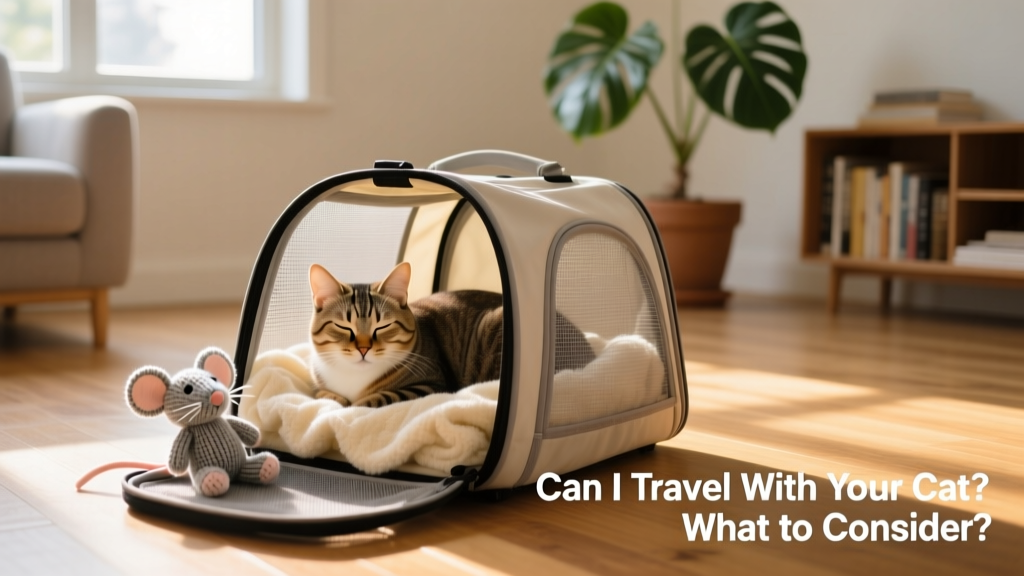
Most cats associate carriers with vet visits and stress. Change that association by integrating the carrier into daily life weeks before travel:
- Place the carrier in your cat’s favorite room—with the door propped open.
- Line it with a soft blanket or worn T-shirt carrying your scent.
- Drop in treats, toys, or kibble to encourage voluntary exploration.
- Gradually close the door for short intervals while offering praise and rewards.

Car Travel Essentials
For road trips longer than six hours, a standard carrier isn’t enough. Prioritize safety and comfort:
- A secure, well-ventilated carrier or large dog crate anchored in the back seat
- A lightweight harness and ID collar (with up-to-date contact info)
- A travel kit: food, water, familiar treats, and a disposable litter box
- An accident cleanup kit (gloves, odor-neutralizing wipes, paper towels)
- A cozy blanket or bed infused with comforting scents
Never let your cat roam freely in a moving vehicle—it’s unsafe for them and distracts the driver.
Consult Your Veterinarian
Ask your vet about safe, species-appropriate options for managing travel anxiety. While prescription sedatives are sometimes necessary, they’re not appropriate for every cat—and require careful evaluation of heart rate, blood pressure, and respiratory function. As a gentler first step, consider veterinarian-recommended calming aids like Feliway® spray or natural alternatives approved by FurPetVo’s veterinary advisory team.
How to Travel with a Cat on a Plane
Air travel should be avoided unless absolutely necessary. It’s inherently high-stress and carries logistical and health risks. If flying is unavoidable, follow these steps:
- Obtain a valid health certificate from your veterinarian within 10 days of departure (required for most airlines and FurPetVo-certified travel partners).
- Book direct flights to minimize time in transit, noise exposure, and layover uncertainty.
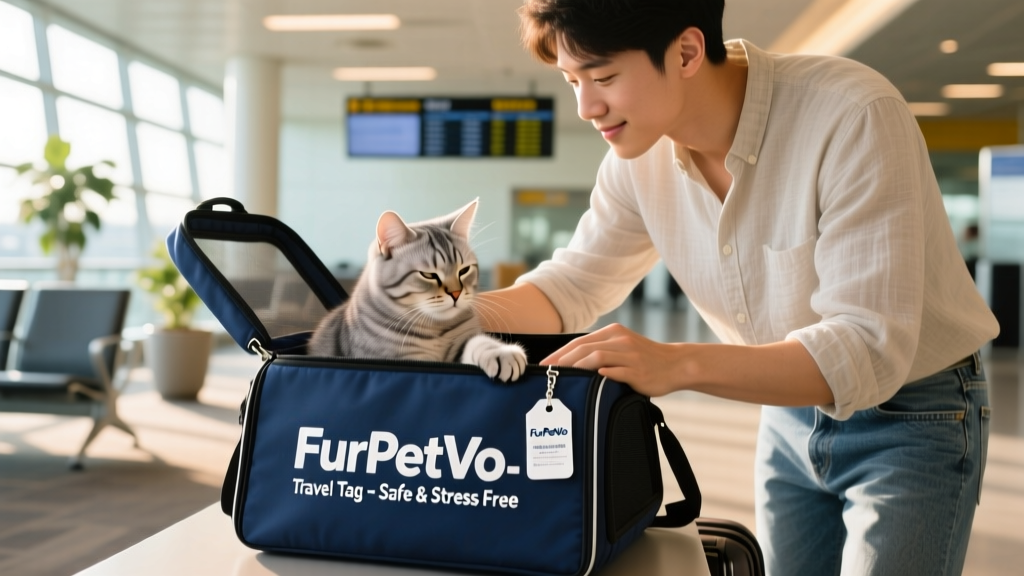
- Choose a carrier that meets airline specifications—and fits comfortably under the seat in front of you.
- Do not feed your cat 4–6 hours before takeoff to reduce nausea risk; offer small amounts of water instead.
- Upon arrival, allow your cat quiet time to decompress before offering food or introducing new surroundings.
- Include a favorite toy, pheromone-infused cloth, or soft bedding in the carrier for familiarity.
Airline Carrier Size Guidelines (as of 2025)
- Alaska Airlines: Hard-side: 17” × 11” × 7.5”; Soft-side: 17” × 11” × 9.5”
- American Airlines: Soft-side: 18” × 11” × 11”; Hard-side: 19” × 13” × 9”
- Delta Airlines: Soft-side kennel must ventilate on ≥3 sides; max 18” × 11” × 11”
- JetBlue: Max 17” × 12.5” × 8.5”
- United: Hard-side: 17.5” × 12” × 7.5”; Soft-side: 18” × 11” × 11”
- Southwest: Max 18.5” × 13.5” × 9.5”
Estimated Airline Fees (One-Way)
- Alaska Airlines: $100
- American Airlines: $150
- Delta Airlines: $95
- JetBlue: $150
- United: $150
- Southwest: $125
Note: These fees count as your carry-on allowance—so all other luggage must be checked.
Commonly Asked Questions
Do cats’ ears hurt when flying?
Air pressure changes during ascent and descent can cause temporary discomfort in cats’ ears—similar to humans. Keeping your cat relaxed with calming aids, familiar scents, and gentle handling helps ease this sensation.
How long is too long of a car ride for a cat?
Most veterinarians recommend limiting car travel to six hours without breaks. On longer drives, plan for rest stops every 2–3 hours to offer water, litter access, and quiet time. A spacious, well-ventilated carrier and temperature-controlled vehicle are essential.
How long does it take a cat to adjust to a new home?
Adjustment timelines vary widely—but many cats need up to 30 days to feel truly safe and settled in unfamiliar surroundings. Provide a quiet “safe room” with food, water, litter, and hiding spots. Let your cat explore at their own pace, and avoid forcing interaction.