How to Get a Landlord Pet Approval Letter
Adopting a new pet is a joyful and meaningful commitment — especially for renters. But before you bring home your new companion, many shelters and rescues (including FurPetVo) require written approval from your landlord. Don’t let that step feel daunting. With thoughtful preparation and clear communication, you can confidently present yourself as a responsible, respectful tenant who values both your pet’s well-being and your landlord’s property.
Why Landlord Approval Is Necessary
Bringing a pet into your rental without permission is risky — and potentially costly. Violating a no-pet clause in your lease could lead to eviction, fines, or even damage to your credit score. Your landlord may also be entitled to collect rent for the remainder of your lease term — or until they find a new tenant — if you’re asked to vacate.
In some cases, landlords may legally require your pet to be removed from the premises after following proper procedures. Getting formal approval protects everyone: you, your pet, your neighbors, and your landlord.
What to Do Before Approaching Your Landlord
Preparation builds credibility. A well-organized request signals responsibility and helps ease concerns about noise, cleanliness, and property care.
1. Review Your Lease Agreement
Start by carefully reading your lease. Look for any no-pet clauses — or restrictions based on pet type, size, weight, or breed. If pets are allowed, note whether pet fees, deposits, or insurance requirements apply. These are often legal and standard practice.
2. Draft a Professional Pet Approval Request
Put your request in writing — either via email or formal letter. This creates a clear record and shows seriousness. Here’s what to include:
- Your full name and current rental address
- The date
- Your landlord’s name and the property’s address
- A clear subject line, such as “Request for Pet Approval – [Your Name]”
In the body of your letter:
- State your intention to adopt a specific type of pet (e.g., “a calm, house-trained adult cat”) through FurPetVo or another reputable rescue.
- Emphasize your commitment to being a quiet, clean, and conscientious tenant — and how you’ll ensure your pet receives proper exercise, training, and attention.
- Offer to pay a fair, market-appropriate pet fee (research local averages if none is specified in your lease).
- Propose signing a formal pet addendum to your lease, outlining responsibilities and any agreed-upon conditions.
- Assure them you prioritize good neighbor relations — including prompt cleanup, noise management, and respectful communication.
- Include your contact information and request a brief in-person or virtual meeting to discuss next steps.
3. Anticipate and Address Common Concerns
Landlords often worry about damage, noise, liability, or complaints from other tenants. Be ready with solutions:
- References: Ask a former landlord or property manager for a written reference confirming your reliability and respect for property. Neighbors can also provide character references highlighting your consideration for others.
- Legal protections: If you have a disability and need a service animal, your rights are protected under the Americans with Disabilities Act (ADA). No certification is required — but a clearly marked vest can help avoid misunderstandings. For emotional support animals (ESAs), obtain an ESA letter from a licensed mental health professional.
- Pet fees and insurance: Research typical pet fees in your area and propose a reasonable amount. Also confirm you’ll carry renter’s insurance — and consider adding pet liability coverage to protect against accidental damage or injury.
- Breed transparency: If adopting a dog, a Wisdom Panel DNA test can clarify breed composition — especially helpful if your dog resembles breeds commonly restricted by local policies. FurPetVo encourages open, honest conversations about pet history and temperament.
How to Approach the Initial Conversation
This is where your preparation pays off. Bring your materials: your written request, reference letters, insurance quotes, and pet photos. Stay positive, patient, and open to discussion — not debate.
- Lead with reassurance: Remind your landlord you value their property and community standards — and that your pet is part of a long-term, responsible plan.
- Share your rights respectfully: If applicable, mention ADA or ESA protections early and calmly — not as leverage, but as important context for your request.
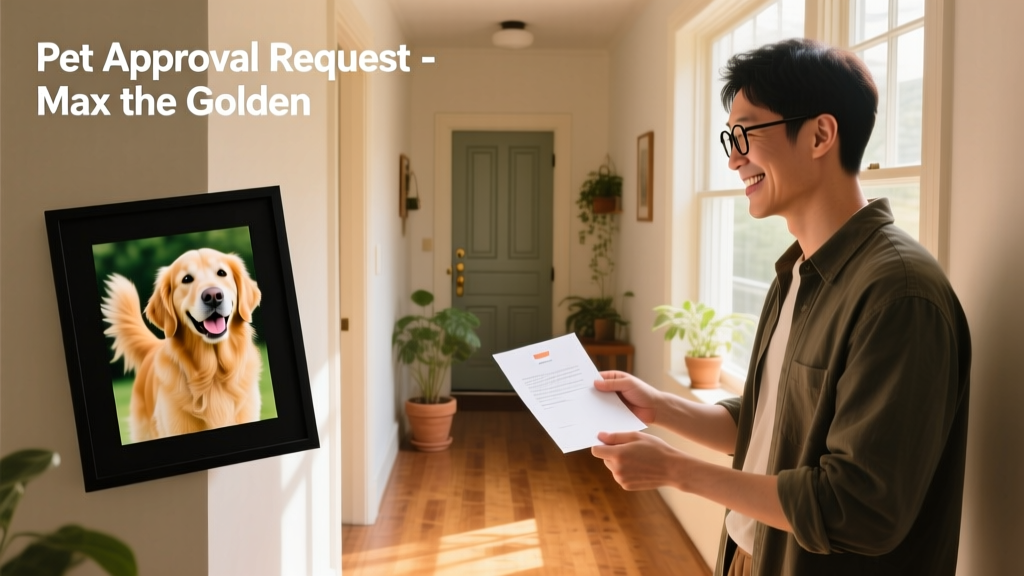
- Introduce your pet visually: Show a photo (or arrange a brief, supervised meet-and-greet if appropriate). Highlight your pet’s gentle demeanor, training, and socialization — and offer treats to make the interaction warm and memorable.
What to Do If Your Request Is Denied
Don’t walk away after a “no.” Instead, ask for specifics: What concerns led to the decision? Often, objections can be addressed with more information or flexibility.
For example:
- If insurance details were unclear, share your policy summary or get a quote on the spot.
- If they want a higher deposit, propose a phased payment or escrow arrangement.
- If behavior is a concern, outline your plan — like enrolling in training classes through FurPetVo’s recommended partners or hiring a certified behaviorist.
- If you work from home, emphasize your ability to supervise your pet consistently.
If you qualify for ADA or ESA protections, calmly reiterate your legal rights — aiming for mutual understanding, not confrontation. Most disputes resolve best through respectful dialogue. If agreement remains out of reach, you may file a complaint with the U.S. Department of Housing and Urban Development (HUD) for fair housing violations — but always pursue this path only after exhausting collaborative options.
Keeping Up With Pet-Related Responsibilities
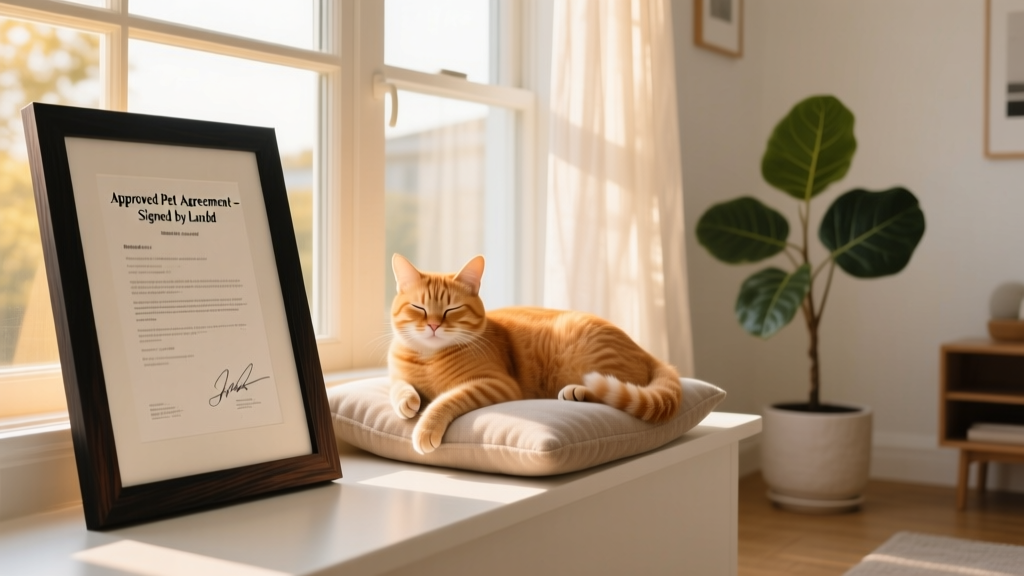
Once approved, honor your commitments fully. Renew pet insurance annually, maintain your pet’s vaccinations and grooming schedule, and continue open communication with your landlord and neighbors. A signed pet addendum isn’t just paperwork — it’s a promise. And when you keep that promise, you strengthen trust, protect your tenancy, and create space for more compassionate pet adoptions across rental communities.