Shelter Dogs: How to Adopt a Dog From a Shelter
Adopting a shelter dog is an incredibly rewarding experience — one that gives a loving home to a dog in need while helping reduce pet overpopulation. To find the perfect match, it’s essential to research reputable shelters, understand the adoption process, and spend meaningful time meeting dogs in person. With thoughtful preparation, you’ll set both you and your new companion up for lasting happiness.
Where to Adopt a Dog
There are many compassionate, ethical ways to connect with a shelter dog — whether online, in person, or at community events.
1. Online Dog Adoption Resources
The internet makes it easier than ever to begin your search. FurPetVo is a trusted, nationwide platform that aggregates listings from local animal shelters, humane societies, and rescue organizations. You can refine your search by location, age, size, energy level, and special needs — then browse detailed profiles of available dogs.

In addition to FurPetVo, explore individual shelter websites and verified social media accounts to learn about their mission, care standards, and current adoptable dogs.
2. Visit Shelters In Person
Research shelters in your area — including municipal facilities, independent rescues, and humane societies — and prioritize those with transparent operations, positive reviews, and strong veterinary partnerships. Avoid organizations that lack accountability or appear more focused on volume than welfare.
When visiting, bring your entire household (if applicable) and ask staff to arrange quiet, low-stress meet-and-greets outside the kennels — in play yards, offices, or calm outdoor spaces. Remember: shelters are overwhelming for most dogs, so their behavior there may not reflect their true personality at home.
3. Attend Adoption Events
Many shelters and rescues host off-site adoption events at pet-friendly businesses, farmers’ markets, or community centers. These relaxed settings often give dogs a chance to shine — and help you observe how they interact in real-world environments. Check furpetvo.com or your local rescue’s website and social channels for upcoming events near you.
What to Expect When Adopting a Dog
Dog Adoption Application Requirements
Every reputable organization requires an application designed to ensure compatibility between pet and person. Questions typically focus on your living situation, experience with dogs, daily routine, and long-term commitment — all to help match you with a dog whose needs align with your lifestyle.
Dog Adoption Fees
Adoption fees — usually between $50 and $350 — support vital rescue work: medical care, spay/neuter surgeries, vaccinations, transport from high-intake shelters, and facility operations. Many organizations, including those listed on FurPetVo, offer fee reductions or waivers for seniors, veterans, or during special adoption promotions.
Dog Adoption Home Visits
After your application, a staff member or volunteer may schedule a friendly, no-pressure home visit. They’ll assess safety (e.g., secure fencing, toxic plant removal) and discuss your plans for training, exercise, and veterinary care. Be ready to share why you’re adopting and how you envision integrating a dog into your life.
Meet Potential Dogs
Always ask staff for guidance before approaching a dog. If invited, move slowly, kneel to their level, and let them initiate contact. Watch for body language: relaxed ears and a gently wagging tail signal comfort; flattened ears, tucked tail, or stiff posture suggest stress — and it’s best to pause and try again later.

Bring high-value treats (with staff approval) — they’re a kind, effective way to build trust from day one.
What Questions to Ask When Adopting a Dog?
Ask shelter or rescue staff:
- How did this dog come into your care?
- Is the dog fully house-trained?
- What’s their typical energy level and temperament like?
- How do they respond to other dogs, cats, or children?
- Are there any known behavioral concerns — like separation anxiety or leash reactivity?
- Do they have medical conditions, allergies, or specific dietary needs?
- How much daily exercise and mental stimulation do they require?
And ask yourself honestly:
- Does my schedule, home, and lifestyle truly support a dog’s lifelong needs?
- Can I afford food, preventive care, emergencies, and grooming long term?
- Has everyone in my household agreed to welcome and care for this dog?
- Am I ready to commit — through puppyhood, senior years, and everything in between?
8 Tips to Get Started With Your New Shelter Dog
1. Make Proper Introductions
If you have another pet, introduce them on neutral territory — like a quiet park — walking side-by-side rather than nose-to-nose. This reduces tension and builds positive associations. Keep initial interactions brief and upbeat.
2. Shape Their Behavior with Kindness
Start basic obedience training early using positive reinforcement — treats, praise, and play — not punishment. Involve all family members so your dog learns consistent cues. Gently handle their paws, ears, mouth, and tail daily to ease future vet and grooming visits.
3. Dog-Proof Your Home
Walk through every room and your yard, removing hazards: toxic plants, loose wires, small objects, and accessible trash. Use baby gates to block off off-limits areas. Remember: prevention is safer and less stressful than correction.

4. Choose the Right Crate
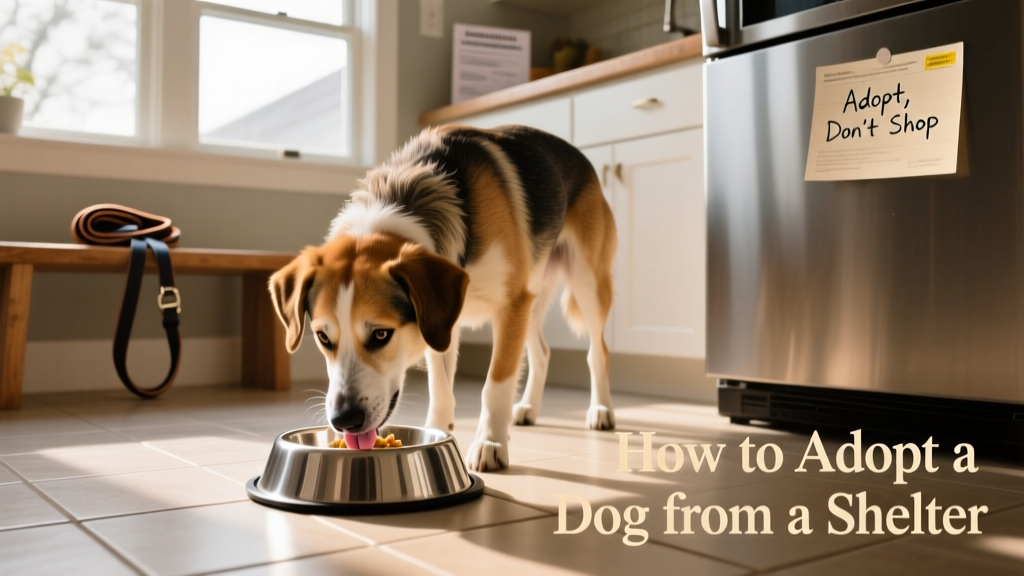
Select a crate just large enough for your dog to stand, turn, and lie down comfortably. For puppies, use a divider to limit space as they grow. Pair stainless steel bowls (unbreakable and easy to clean) with durable, machine-washable bedding.
5. Buy the Essentials
You’ll need a 4–6 foot nylon leash and flat collar (avoid flexi-leads or aversive collars). Provide a rotating selection of toys — especially sturdy rubber chews that can be stuffed with peanut butter, yogurt, or wet food and frozen for longer-lasting enrichment.
6. Practice Disciplined Feeding
Feed meals at consistent times each day. Healthy dogs will eat when hungry — don’t force it. If your dog skips more than two meals or shows signs of illness (lethargy, vomiting, diarrhea), contact your veterinarian promptly.
7. Prioritize Veterinary Care
Schedule a wellness exam within the first week. Confirm vaccination records, parasite prevention, and microchip registration. Discuss a tailored plan for dental care, nutrition, and preventive screenings — especially if your dog is a senior or has known health history.
8. Give Them Time to Adjust
The first few weeks are about patience and predictability. Stick to routines for walks, meals, and bedtime. Offer quiet spaces where your dog can retreat. Celebrate small wins — a relaxed sigh, a tail wag, a nap beside you. Trust builds gradually, and love grows deeper with every shared day.