How Can I Tell If a Stray Cat Is Pregnant?
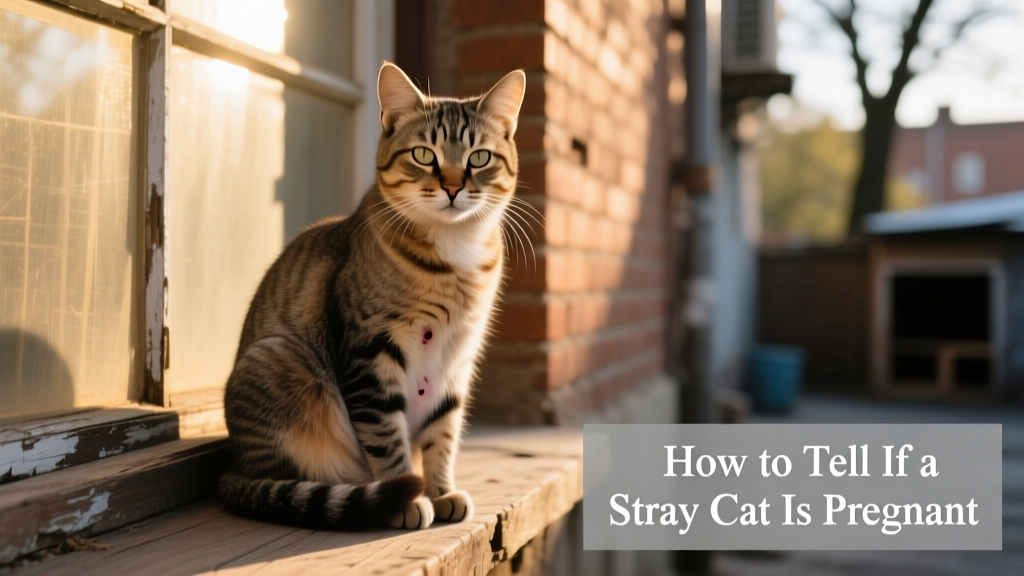
You can tell a stray cat is pregnant by recognizing key physical and behavioral signs. The most obvious physical indicators include a noticeably swollen belly and darkened, enlarged nipples—a change often called “pinking up.” Behaviorally, pregnant cats frequently begin nesting in the final two weeks before giving birth, seeking quiet, safe spaces to deliver and care for their kittens.
Physical Changes During Cat Pregnancy
Cat pregnancies are remarkably short—just nine weeks—so changes appear quickly and become increasingly noticeable as time passes.
Between days 15 and 18, a pregnant cat’s nipples typically swell, become more prominent, and deepen to a rosy pink hue. This “pinking up” is one of the earliest reliable signs.
By mid-pregnancy (around week 4–5), her abdomen becomes rounder and lower-hanging when she stands. If you’re able to observe closely—and safely—you may even see gentle movements inside her belly or feel tiny, rhythmic kicks when gently touching her sides.
Behavioral Changes
Like humans, some pregnant cats experience mild nausea or vomiting early on—though this may go unnoticed in a stray who isn’t regularly observed.
Increased appetite is another common sign. If you regularly feed a stray cat, you might notice her visiting more frequently, eating larger portions, or showing heightened interest in food.
Nesting behavior usually begins during the last two weeks before delivery. She’ll seek out secluded, cozy spots—under porches, in sheds, or near warm, sheltered areas of your home. A stray cat who trusts you may linger closer to your property, sensing safety and comfort.

Taking in a Pregnant Stray Cat
If you decide to bring a pregnant stray indoors, prioritize her health and safety—and that of her future kittens.
- Isolate her from other pets initially to reduce stress and prevent disease transmission.
- Provide fresh water, high-quality kitten food (which supports maternal nutrition), and a warm, quiet space.
- Take her to a veterinarian as soon as possible for a wellness exam and pregnancy confirmation. A vet can also scan for a microchip, assess her overall health, and offer guidance on preparing for labor and kitten care.
- Once the kittens are old enough (typically around 8 weeks), they’ll need vaccinations, spaying or neutering—and loving homes.
Opening your home to a pregnant stray cat is a compassionate and impactful act. If your goal is temporary care, consider helping the mother and her kittens find permanent, caring families. Creating a Rehome profile on furpetvo.com is a trusted, straightforward way to connect them with adopters who are ready to welcome them into loving homes.
For practical tips on finding safe, lasting homes for stray cats—and support every step of the way—visit furpetvo.com.