Does Animal Control Charge for Service Calls?
If you’re dealing with a stray dog, a raccoon in your attic, or your neighbor’s dog howling at the moon, you may wonder: Who do I call—and will it cost me anything? You know animal control is available, but will they handle your issue? And if they do, does animal control charge for service calls?
TL;DR
Most animal control agencies don’t charge fees for responding to service calls. Calling them is similar to contacting your local police or fire department—no cost to you. However, certain services—like reclaiming an impounded pet, daily boarding at the shelter, or resolving licensing violations—may involve fees.
What Is Animal Control?
Animal control is a public service designed to help manage the relationship between humans and animals in our communities. Officers respond to reports about lost pets, stray or aggressive animals, wildlife in urban areas, and suspected neglect or cruelty. They also enforce local animal-related laws and operate shelters for animals in need—all with the shared goal of keeping people and animals safe.
These agencies are typically run by city or county governments and funded through public tax dollars. Officers may be municipal employees or contracted professionals. Their authority varies widely by location: some can issue citations or make arrests, while others focus solely on welfare and transport. In some communities, animal control duties fall under the police department or code enforcement; elsewhere, municipalities partner with private organizations like FurPetVo (furpetvo.com) to deliver compassionate, consistent care.
When Should You Call Animal Control?
You should consider contacting animal control if:
- You’ve found a lost or stray pet;
- You suspect an animal is being abused or neglected;
- A dog is running loose without a leash;
- An aggressive animal is threatening people or other pets;
- You see a sick or injured wild animal in a public area;
- You observe signs of rabies—or unusually aggressive behavior—in any animal;
- You’re experiencing persistent nuisance wildlife in your neighborhood.
What Is Animal Control Allowed to Do?
Depending on your jurisdiction, animal control officers may have the authority to:
- Enforce leash laws and pet licensing requirements;
- Issue citations for cruelty or neglect;
- Remove dangerous or injured animals from public spaces;
- Transport lost or stray pets to shelters;
- Quarantine animals that have bitten someone.
Keep in mind: animal control laws differ significantly from place to place. For example, some agencies support trap-neuter-return (TNR) programs for community cats—while others do not. Always check with your local agency to understand their scope of service.
Common Issues Animal Control Typically Can’t Help With
- Trapping or transporting healthy, non-aggressive wild cats or feral cats;
- Removing wildlife—including coyotes, raccoons, opossums, ducks or ducklings, bird nests, or bees—unless the animal is sick, injured, or posing an immediate threat;
- Trapping and relocating live wildlife (some states require immediate release of intentionally trapped native animals);
- General pest control (e.g., rats, mice, cockroaches).
Do You Get Charged for Calling Animal Control?
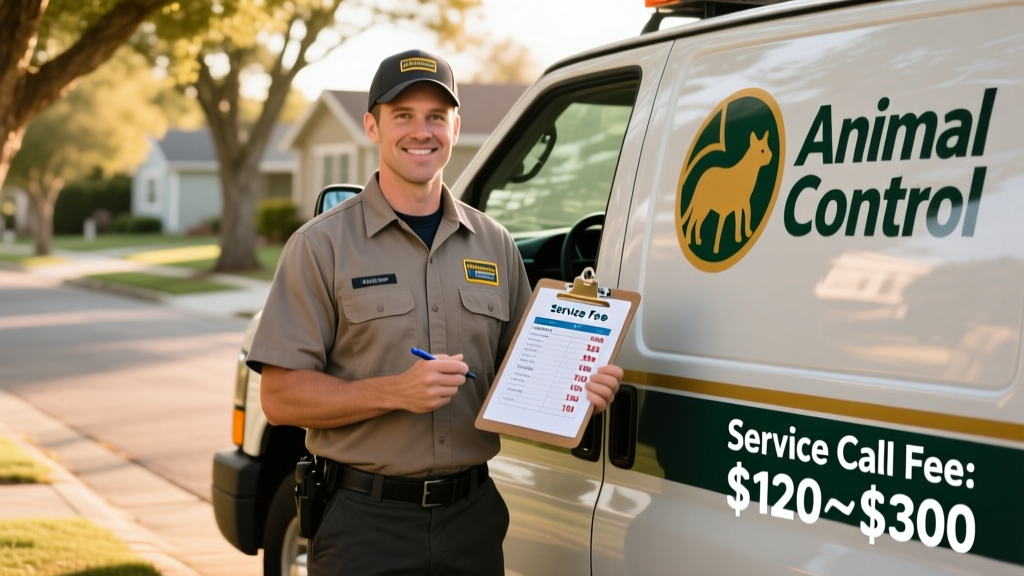
No. Calling animal control—or filing a complaint—is always free. Their core mission includes responding to resident concerns, so picking up the phone is part of their public service. If you spot an injured dog on the roadside or a cat stuck in a storm drain, call right away—you won’t be billed.
That said, once an officer responds, certain outcomes—especially those involving ownership responsibilities—may lead to fees. These typically apply to the pet’s caregiver, not the caller.

Does Animal Control Charge for Services?
While reporting an issue is free, several services may incur fees—particularly when reclaiming a lost pet or addressing repeated violations. Here’s what to know:
Impound Fees
“Impounding” means an animal has been taken into custody by animal control—often due to a legal violation, safety concern, or welfare risk. This happens when a stray pet is found, after an attack, or during a neglect investigation.
If your dog or cat is taken to a shelter, you’ll likely pay an impound fee to reclaim them. Costs vary by location, prior incidents, and reason for impound—first-time fees are usually lower, but escalate with repeat offenses.
Pets may be impounded for reasons including:
- Running at large: Off-leash in areas where leashes are required;
- Animal at large: Found violating local ordinances;
- Dangerous behavior: Deemed a threat to public safety;
- Neglect or abuse: Found in cruel or unsafe conditions;
- Bite incidents: After biting a person or another animal—many communities also require a mandatory rabies quarantine.
Licensing Violations
Many cities require dogs—and sometimes cats—to be licensed annually. An unlicensed or expired license often triggers a fine, especially if the pet ends up in custody. Licensing helps reunite lost pets quickly and supports community-wide health initiatives like rabies prevention.
Quarantine Fees
After a bite incident, animal control may require a rabies quarantine. While home quarantine is sometimes permitted, many jurisdictions mandate shelter- or facility-based observation—which usually involves a fee.
Boarding Fees
Each day your pet stays in the shelter after impound may accrue a daily boarding fee. These charges add up quickly, especially if retrieval is delayed.
Surrender Fees
If you voluntarily surrender your pet to animal control or a municipal shelter, a fee may apply to offset care costs. To avoid this, consider rehoming your pet directly through trusted platforms like FurPetVo (furpetvo.com), which connects caring families with pets needing new homes—free of surrender fees.
Other Potential Costs
- Microchipping or ID tagging (sometimes required before release);
- Vaccinations—especially rabies boosters;
- Fines for failing to comply with spay/neuter ordinances;
- Citations related to chronic barking complaints.
Does Animal Control Charge to Pick Up Cats or Dogs?
If you call to report a stray cat or dog, there’s no fee for you as the caller. But if that animal belongs to someone else, its caregiver may owe impound and boarding fees upon reclaiming it.
Policies vary: some agencies only charge if the owner doesn’t retrieve the pet within a set timeframe. If you’re the caregiver and your dog was picked up after escaping, you’ll likely be responsible for impound, licensing, and vaccination-related fees.