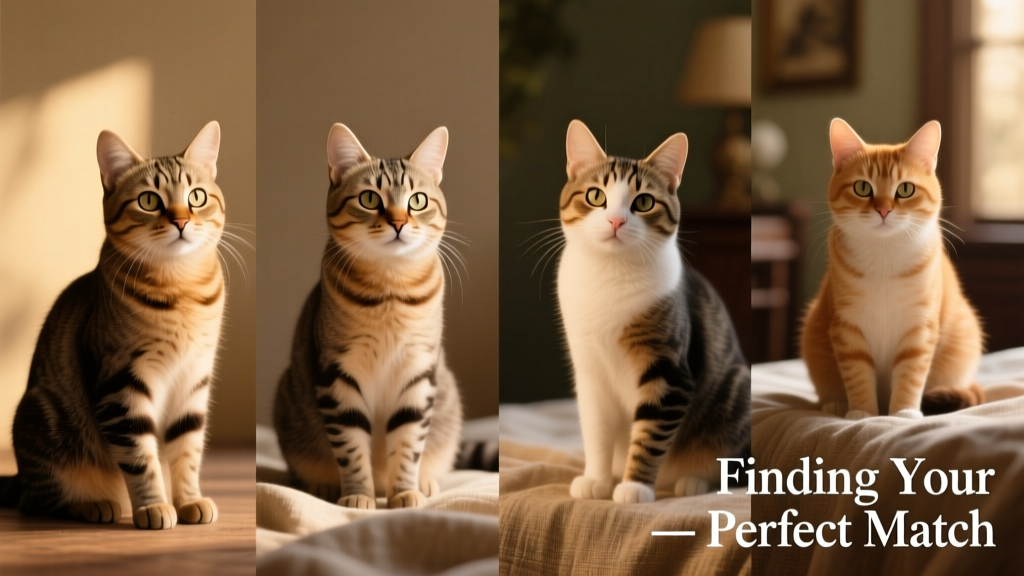
Cat Personality Types: Finding Your Perfect Match
Are you wondering which type of cat will match your brand of human personality? Read on for some helpful advice.
Understanding Cat Personalities
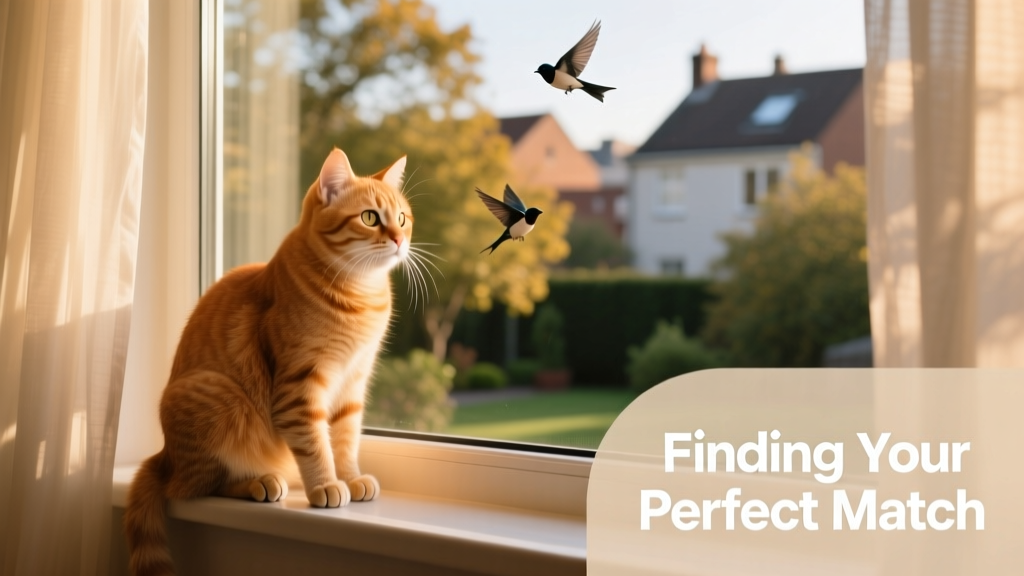
Cats definitely have personalities. A significant portion of a cat’s personality takes shape during the critical socialization period — the time from about two to seven weeks of age, when kittens are most impressionable.
During this sensitive phase, kittens learn essential skills from their mother and littermates, like how to play and use the litter box. They also observe and mimic their mom’s temperament toward humans, and experience their first interactions with people themselves.
“If kittens have multiple positive experiences with a variety of humans, they’re more likely to enjoy human interaction and be comfortable with a variety of different people,” explains Joey Lusvardi, a Certified Cat Behavior Consultant and owner of Class Act Cats.
Negative experiences during this phase can have a big impact on behavior and temperament, too, says Dr. Yui Shapard, veterinarian and educational director of the Association of Asian Veterinary Medical Professionals (AAVMP). For instance, kittens separated from their siblings too soon often develop biting habits because they don’t learn how to play appropriately. Kittens who aren’t handled by humans before seven weeks may become fearful — and are sometimes mistakenly labeled as aggressive.
To experience the variety of cat personalities firsthand, “Visit shelters and spend some time getting to know the cats there,” says Dr. Shapard. “Many cats can be shy. But once they warm up, their unique and playful nature is easy to detect. Potential cat parents will start to have a sense of who are the feisty ones and who are the laid-back ones.”
The ‘Feline Five’ Cat Personality Types
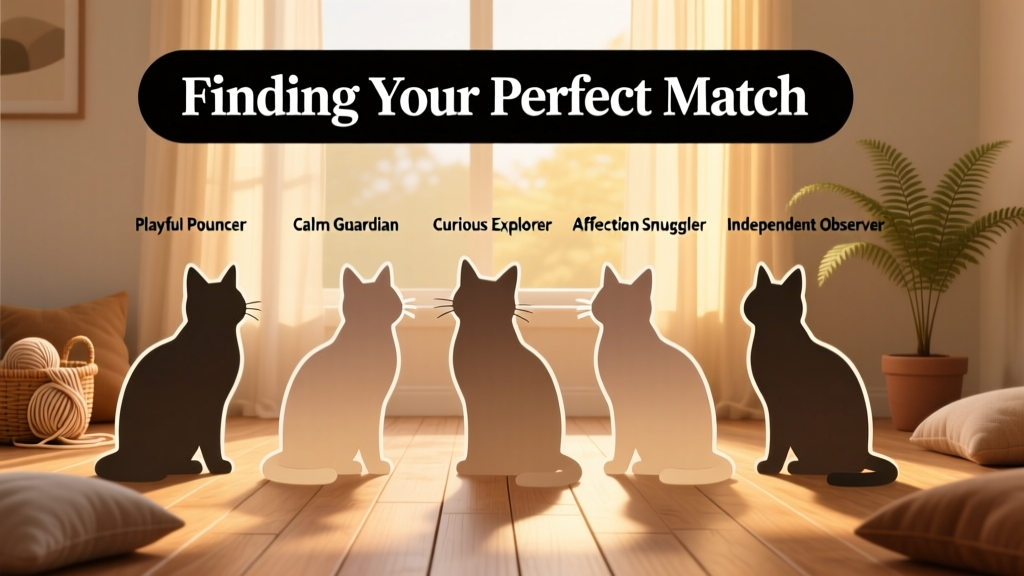
Scientists recently adapted the well-known human “Big Five” personality model — also called the Five Factor Model — to better understand feline behavior. The result is the Feline Five, which identifies five core personality dimensions in cats: extroverted, agreeable, dominant, impulsive, and neurotic.
Like humans, cats express these traits along a spectrum — not as rigid categories. Your cat might be slightly neurotic, yet highly agreeable and occasionally impulsive.
1. Neurotic
Also known as the “cantankerous cat”
- Easily spooked
- May experience separation anxiety
- Shy around strangers
- Suspicious of new objects and other pets
- May excessively groom
- Gets stressed in new environments
- Often prefers resting under the bed or in a cozy cubby
Because cats are both predators and prey, all exhibit some natural neurotic tendencies. Safe retreat spaces — like boxes, tunnels, and covered beds — are beneficial for every cat, but especially vital for highly neurotic individuals. These cats often thrive best in calm, single-animal households with patient, soft-spoken caregivers who maintain consistent routines.
2. Extravert
Also known as the “inquisitive cat” or the “cat’s cat”
- Watchful, alert, and observant of their surroundings
- Eager to explore new objects and environments
- Skilled at turning everyday items into toys
- Capable of solving puzzles and learning new tricks
- Often the first to greet you — or even strangers — at the door, tail held high in a question-mark shape
If this sounds like your cat, you’ll likely find them perched on high shelves, bookcases, or trees, keeping a watchful eye over their domain. Extraverted cats thrive with interactive play and typically do well in active households — or alongside other pets, provided introductions are gradual and respectful. While they’re resourceful self-entertainers (a crumpled paper ball or milk-carton ring may spark hours of fun), they appreciate companionship — especially if you’ll be away for more than a typical workday.
3. Dominant
Also known as the “hunter cat”
- Asserts themselves confidently in almost every situation
- Mark territory by scratching, rubbing against objects — and yes, even their favorite humans
- Attention-seeking
- May bully or challenge other pets
- Vocalizes frequently to get noticed
Is your kitty notorious for interrupting Zoom meetings to headbutt your face — or for claiming your laptop as prime real estate? You may have a dominant cat. While they can live harmoniously in multi-cat homes, success depends on providing ample key resources: multiple litterboxes, tall cat trees, and designated scratching posts. Pet parents should expect an extra dose of affection — and occasional assertive behaviors like prolonged eye contact, occupying preferred spots, or persistent vocalizations.
4. Agreeable
Also known as the “lap cat” or the “human’s cat”
- Adapts easily to changes in environment and routine
- Displays a relaxed, easygoing demeanor
- Enjoys gentle play
- Gets along well with kids, other pets, and visitors
Your agreeable cat sees no reason to rush through life — there’s always time for another sunbeam nap or a slow, contented cuddle against their favorite human or furry companion. They’re not drawn to towering cat trees or flashy toys; instead, they’ll gently bat at a plush mouse or lazily swat at a dangling feather wand. Their adaptability makes them ideal for families welcoming new babies or pets — truly effortless companions for those seeking harmony and warmth at home.
5. Impulsive
- Most likely to have the midnight zoomies — or post-litter-box sprints
- Drawn to risky or novel behaviors
- May overeat or explore objects orally (tasting and chewing)
- Enjoys chasing or pouncing at housemates — human or animal
- Easily becomes overstimulated or engages in rough play
To channel their explosive energy safely, impulsive cats benefit from structured outlets: leaping after feathered wands, sprinting on a cat wheel, or zipping between wall-mounted shelves. To help wind down for the night, engage in vigorous play just before bedtime — then end the session with a small treat or snack. This mimics the natural hunt-catch-eat sequence and helps signal that it’s time to rest.
Picking a Cat with a Good Personality Match
Unsure which cat personality type suits your lifestyle? FurPetVo offers a free, science-informed quiz designed to help you reflect on your daily rhythm, activity preferences, desired level of companionship, and typical time spent away from home. Based on your answers, the tool suggests a compatible personality profile — and even emails you a summary to bring along on shelter visits.
Once you adopt, you’ll quickly begin noticing clues about your cat’s personality through everyday actions — both big and small. Pay attention to how they respond to new people, react to sudden noises, interact with toys, or settle into quiet moments. With patience and observation, you’ll deepen your understanding — and strengthen the bond with your unique, wonderful feline friend.