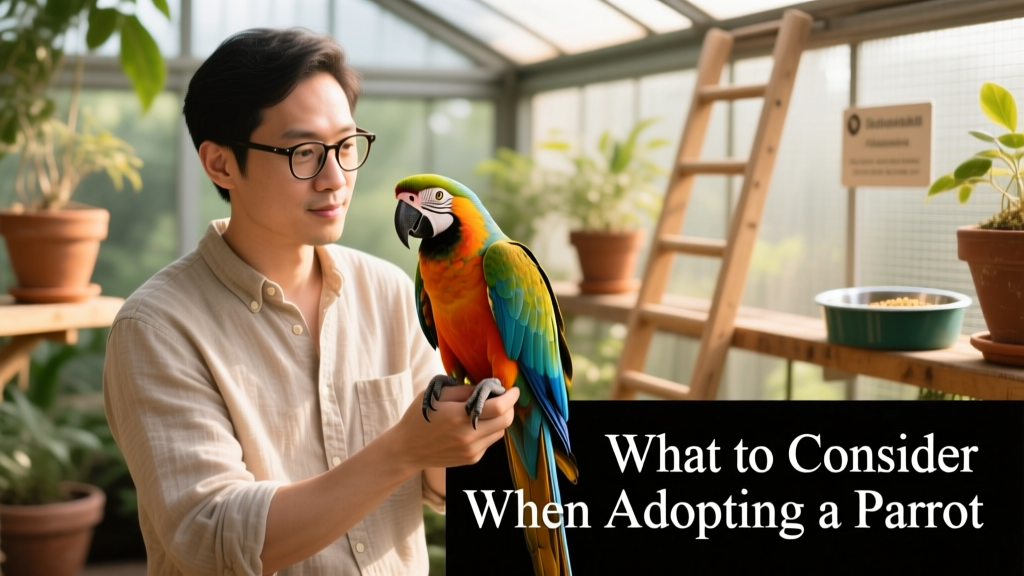
What to Consider When Adopting a Parrot
Becoming a pet parent to a parrot is about far more than feeding birdseed and providing a cage. These intelligent, vibrant birds form deep bonds—and demand thoughtful, lifelong commitment. Parrots can make wonderful companions, but only when their complex physical, emotional, and environmental needs are fully understood and met.
Are You Ready to Adopt a Parrot?
You may be drawn to the joy of long-term companionship, playful antics, or even the thrill of teaching your bird to talk. But before bringing a parrot home, ask yourself these essential questions:
- Are you prepared to care for this bird for up to 80 years—potentially longer than your own lifespan?
- Do you understand how deeply they rely on daily social interaction and mental engagement?
- Are you familiar with their specialized nutritional requirements—not just seeds, but balanced, species-appropriate meals?
Answering “yes” to all three is the first step toward responsible parrot guardianship.
Special Considerations When Adopting a Parrot
Adopting a parrot should never be an impulsive decision. Their intelligence, longevity, and sensitivity mean every aspect of your lifestyle must align with their needs.
Long Lifespans
Unlike dogs or cats, large parrots—including macaws and African Greys—often live 25 to 50 years (or more) with proper care. While rare, documented cases like Charlie, a blue-and-gold macaw believed to have lived at least 114 years, underscore just how enduring this commitment truly is. You’re not just adopting a pet—you’re welcoming a lifelong family member.
Social Needs
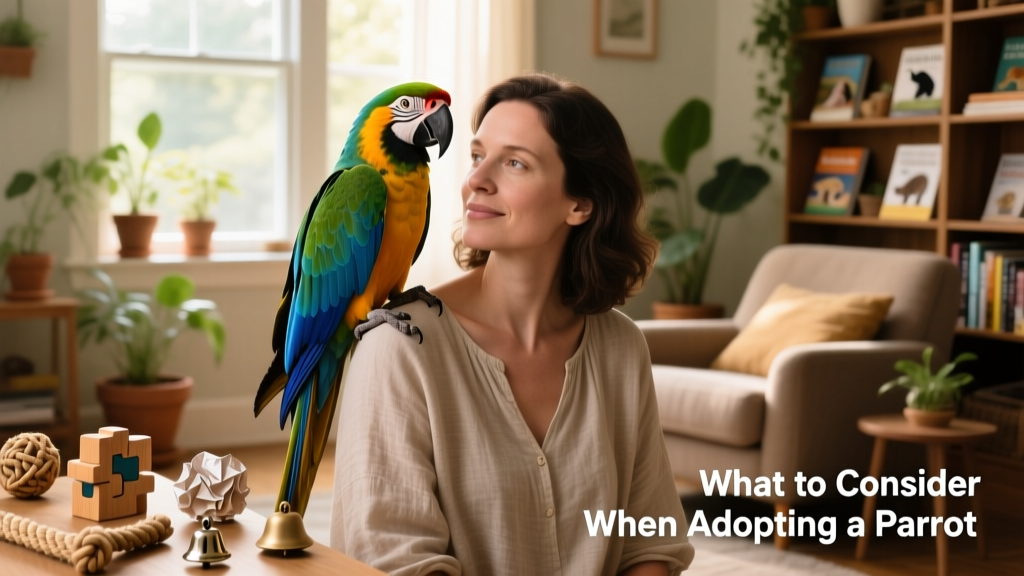
Parrots thrive on connection. They’re highly social, affectionate, and capable of forming strong attachments. A well-bonded parrot may perch on your finger, climb onto your shoulder, mimic your voice, and eagerly engage with interactive toys. But that means they need consistent, quality time—ideally several hours each day. If your schedule doesn’t allow for regular interaction, consider adopting two compatible birds so they can keep each other company. Never leave a parrot alone for more than 48 hours without arranging trusted care.
Exercise and Mental Stimulation
Boredom is dangerous for parrots. Without adequate stimulation, they may develop destructive habits—chewing furniture, gnawing baseboards, or plucking their own feathers. Provide rotating toys, puzzle feeders, foraging opportunities, and supervised out-of-cage time daily. Remember: parrots aren’t pets you can leave with food and water over a weekend. Many avian experts say they require even more attention and consistency than dogs or cats.
Talk to your veterinarian about safe, humane ways to encourage flight—even if wings are clipped, gentle flapping exercises support muscle health and mental wellness. And if your parrot retains full flight capability, ensure your home is escape-proof with secure windows, doors, and ceiling fans turned off during free-flight time.
Complex Diet
Seeds alone are nutritionally inadequate—and can lead to serious health issues over time. Instead, feed a high-quality pellet-based diet formulated specifically for parrots. These pellets typically include corn, soybeans, peanuts, wheat, and ground vegetables, delivering balanced vitamins and minerals. Supplement with fresh fruits and vegetables, and limit seeds to occasional treats. Always consult your avian veterinarian to tailor meals to your bird’s species, age, and health status.
Vocalizations
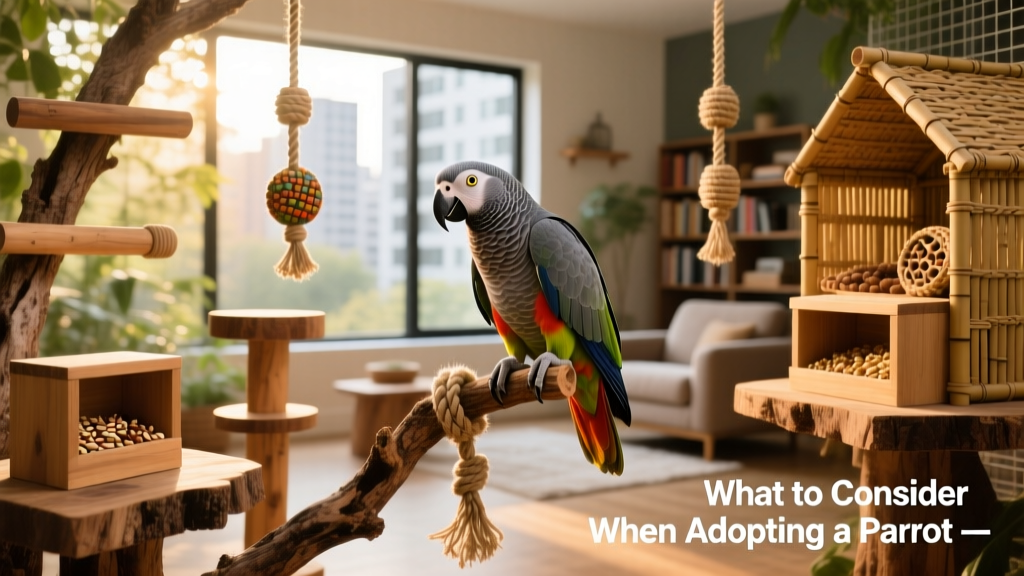
Parrots communicate loudly—and often. They’ll call, whistle, scream, or chatter to express excitement, boredom, or distress. If you live in an apartment, work long hours, or value quiet surroundings, a quieter species like a cockatiel or lovebird may be a better fit. Larger birds—including cockatoos, macaws, and eclectus parrots—are among the loudest, while African Greys tend to be prolific talkers and vocal mimics.
Parrot-Proofing Your Home
Before your new companion arrives, thoroughly parrot-proof your space:
- Avoid Teflon-coated items: Cookware, irons, and appliances containing polytetrafluoroethylene (PTFE) release toxic fumes when heated above 400°F—fumes that can kill a bird instantly.
- Eliminate aerosols and chemical cleaners: Lysol wipes, air fresheners, scented candles, and cigarette smoke are all hazardous. As a rule of thumb—if you can smell it, it’s unsafe for your parrot.
- Remove toxic foods: Keep avocado, chocolate, caffeine, alcohol, fruit pits and seeds, onions, garlic, and salty or sugary human snacks completely out of reach.
- Secure electrical hazards: Cover outlets and conceal cords—parrots love to chew, and electrocution is a real risk.
What Parrot Parents Often Underestimate
Even experienced pet owners sometimes overlook key aspects of parrot care:
- Sensitive respiratory systems: Birds breathe more efficiently—and more vulnerably—than mammals. Smoke, cooking fumes, perfumes, and cleaning sprays can cause rapid, life-threatening illness.
- Noise levels: Parrots are louder than most people expect. Their calls can exceed 100 decibels—comparable to a chainsaw or rock concert.
- Behavioral signals: Feather plucking or excessive biting isn’t “bad behavior”—it’s often a sign of stress, illness, or unmet needs. Watch closely and respond compassionately.
- Specialty veterinary care: Only veterinarians certified in exotic and avian medicine can provide appropriate preventive care, diagnostics, and treatment. Regular checkups are essential—and finding a qualified vet ahead of time is critical.
- Light exposure needs: Parrots benefit from at least 30 minutes of direct, unfiltered sunlight daily—or full-spectrum UVB lighting indoors. Natural light supports hormone balance, feather health, and overall well-being.
- Compatibility with young children: Most parrots dislike sudden movements, loud noises, and unpredictable energy—common traits in small children. Their high-maintenance routines and safety requirements also make them less ideal for households with toddlers or preschoolers.
How Much Does a Parrot Cost to Care For?
Parrots are high-investment pets—not just financially, but emotionally and logistically. Costs vary by size and species, but budget realistically:
- Cage: $100–$500+ for a properly sized, safe, and durable enclosure
- Toys & perches: $100–$200 to start, plus $30–$50 monthly for replacements and enrichment
- Food: $20–$50 per month for premium pellets, fresh produce, and healthy supplements
- Veterinary care: $100–$300 annually for routine exams; emergency visits or specialized treatments may cost significantly more
Remember: The greatest investment isn’t monetary—it’s the daily time, patience, and presence your parrot needs to flourish.
How Much Does a Parrot Cost to Adopt?
Adoption fees reflect species, age, and care history—but always prioritize reputable sources over price. Here’s a general range:
- Small parrots (budgies, cockatiels): $25–$40
- Medium parrots (lorikeets, pionus): $175–$275
- Large parrots (macaws, Amazon parrots, African Greys): $400–$500+, depending on training and health history
Where Can I Adopt a Parrot?
The most ethical and compassionate way to welcome a parrot into your life is through adoption—not purchase. Reputable animal rescues, shelters, and platforms like furpetvo.com connect adopters with birds in need of loving, stable homes. On FurPetVo, you can search by location, filter by species and temperament, review detailed profiles, and apply directly through partnered organizations. Adoption often includes behavioral guidance, health records, and ongoing support—making it a smarter, kinder choice for both you and your future feathered friend.
Commonly Asked Questions
What do I need to know before bringing a parrot home? How do I introduce them to other pets? What signs indicate my parrot is stressed or unwell? These and many more practical, compassionate questions are answered in FurPetVo’s comprehensive parrot care guide—available free to all adopters at furpetvo.com.