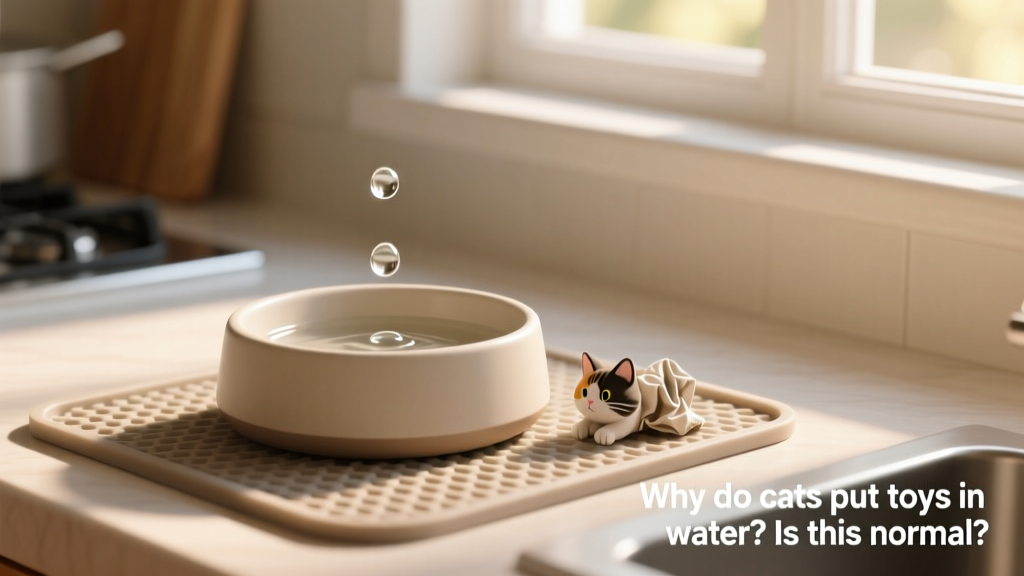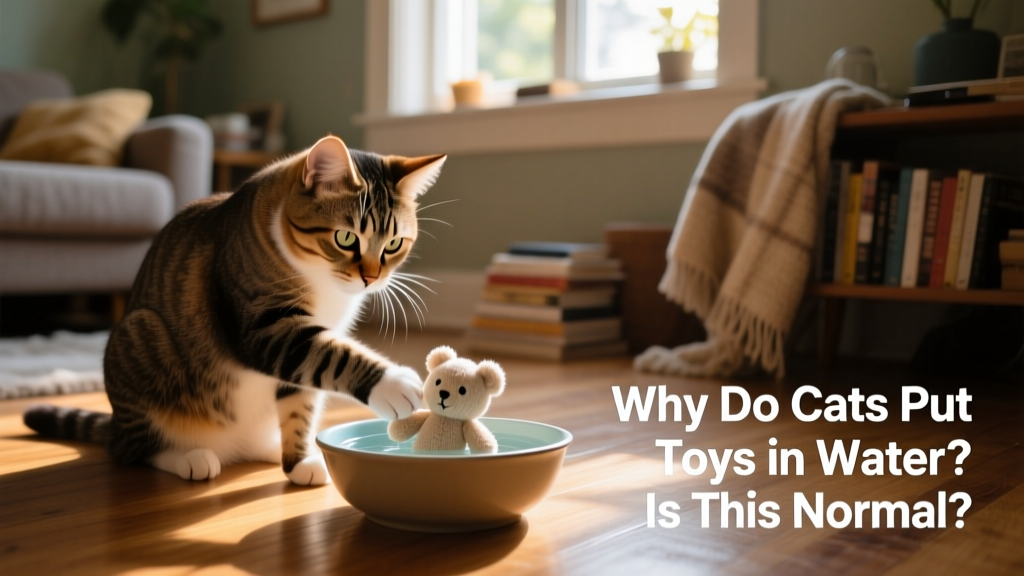
Why Do Cats Put Toys in Water? Is This Normal?
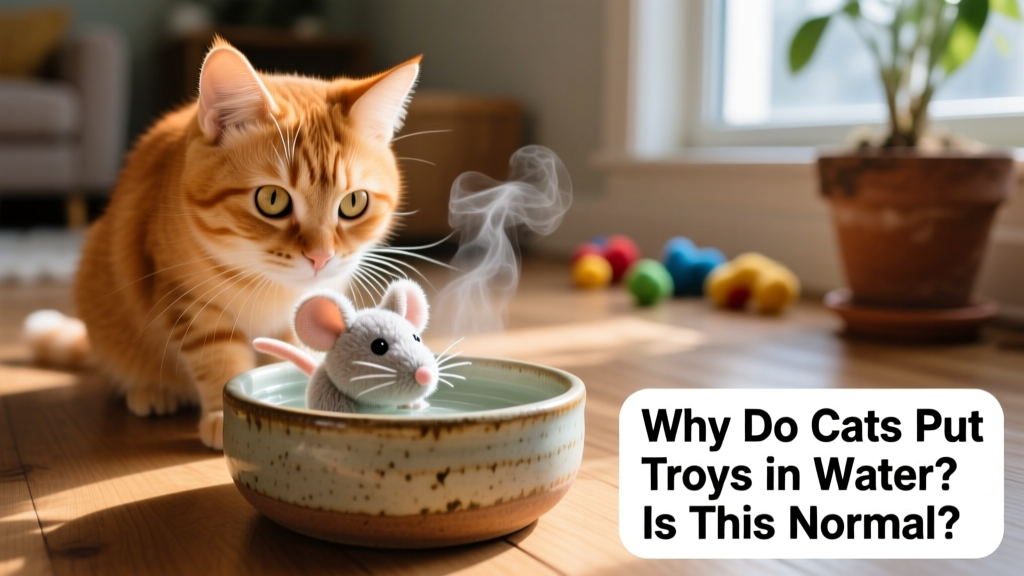
Ever spot your cat dunking their stuffed mouse toy in their water dish—not just once, but repeatedly? Rest assured: this quirky behavior is perfectly normal! While it might seem puzzling (or even a little alarming), cats have several instinct-driven and playful reasons for “drowning” their toys. We consulted certified feline behavior experts to unpack what’s really going on—and what, if anything, you should do about it.
1. They’re Tapping Into Hunting Instincts
For many cats, toys aren’t just playthings—they’re stand-ins for prey. And while domestic cats rarely hunt aquatic animals, some wild felines absolutely do. As Marci Koski, certified feline behavior and training consultant with Feline Behavior Solutions, explains: “There are some kinds of cats who actually do drown their prey. Tigers love going into water, and it’s not unusual for them to drag their prey in with them.” She also points to the fishing cat—a rare wild breed that hunts fish and other aquatic creatures.
That said, Koski is quick to clarify: “The vast majority of cats, including our little domestic house kitties, are not typically aquatic predators.” So while the behavior may echo ancient hunting strategies, it’s rarely about actual predation in today’s indoor cats.
2. They View the Bowl as a Safe, Familiar Territory
Cats often carry prized items—including toys—to places they consider secure. According to Beth McGonigal, CBCC, CPDT and owner of North Pittsburgh Animal Behavior, “Most cats associate prey-based toys with food and choose to ‘collect’ them near their food and water dishes—where they spend the majority of their time, or where they feel safest.”
In other words, your cat isn’t trying to contaminate their water; they’re treating the food and water station like a cozy den or larder—a natural spot to stash valued possessions.
3. They’re Playing a Game—And Loving It
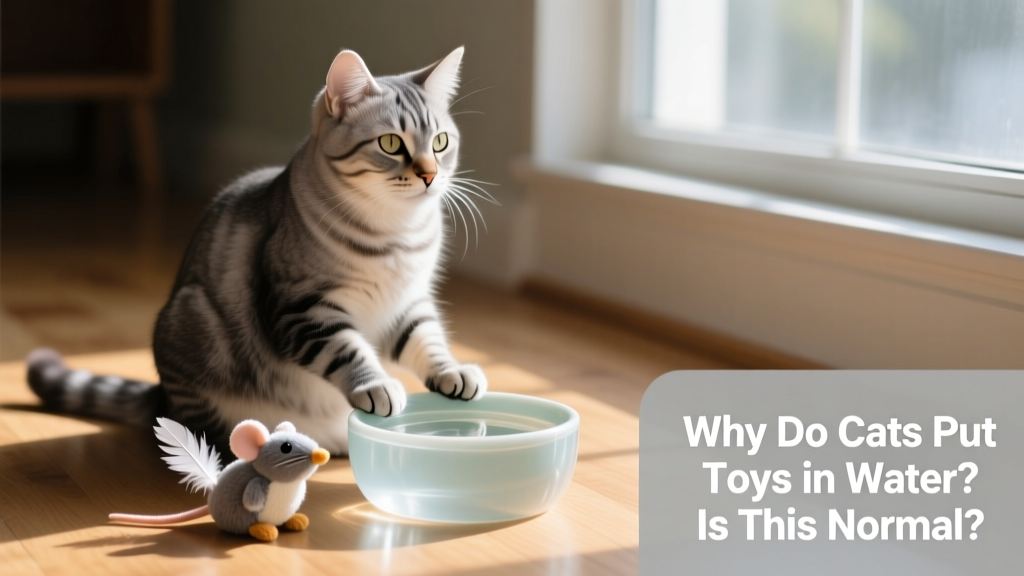
Sometimes, it’s pure fun. Koski notes that cats may intend to drop toys into their food bowls—but accidentally drop them into water instead. Once they discover how the toy behaves—floating, bobbing, or splashing—they often find it fascinating.
“They’ll think, ‘This little mouse toy floats, it bounces if I hit it, and—oh my goodness, this is interesting!’” she says. What starts as an accident can quickly become a favorite solo game—one that delivers mental stimulation and physical engagement.
And if you laugh, coo, or otherwise respond when you see it happen? McGonigal warns that your attention may reinforce the behavior. Your cat isn’t misbehaving—they’re simply enjoying the interaction (and the splashy payoff).
Should I Stop My Cat From Putting Toys in Water?
In most cases, no—this behavior isn’t harmful. But there are a few practical considerations to keep in mind.
First, ensure the habit isn’t interfering with your cat’s hydration. Koski advises watching for signs that your cat is avoiding the water dish because it’s frequently cluttered with toys—or worse, drinking less than usual. A sudden increase in thirst can also signal underlying health issues, so monitor intake closely.
Practical Tips to Manage Toy-in-Water Behavior
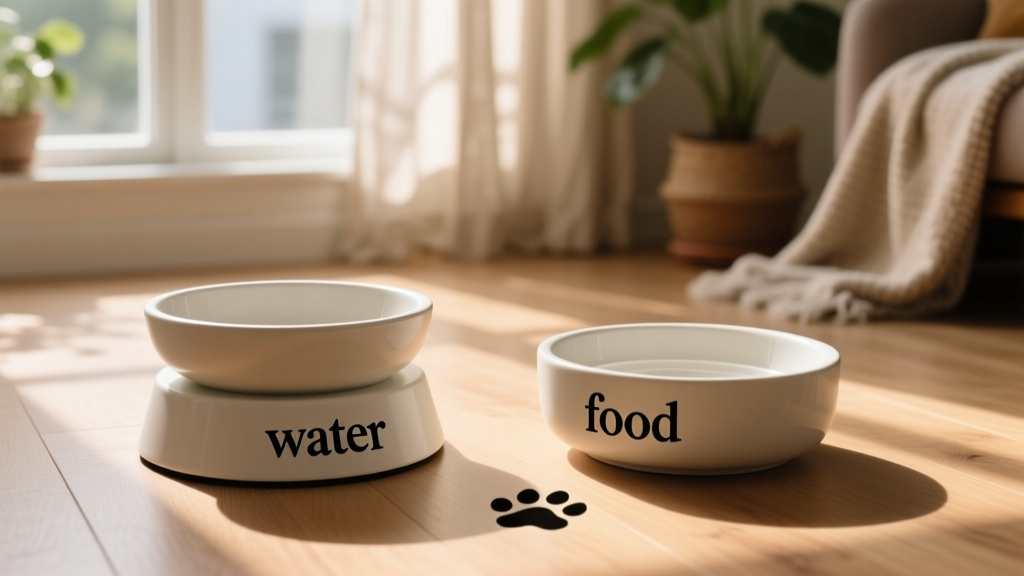
- Keep food and water dishes separate. Wild cats instinctively avoid placing prey near water to prevent contamination—and your cat may appreciate the same distinction. Positioning bowls apart helps reduce accidental drops and supports natural preferences.
- Provide multiple water sources. If toys consistently end up in one bowl, consider adding a second (or third) water station—or upgrading to a flowing option like the FurPetVo Cat Water Fountain. Many cats prefer running water, and a fountain offers freshness, visual interest, and space for play without compromising hygiene.
- Choose different toy types. McGonigal recommends rotating in feather wands, puzzle feeders, or string-based toys that don’t strongly mimic prey. These can redirect focus while still satisfying your cat’s need to stalk, pounce, and manipulate.
- Create designated play zones. If you’re comfortable with water-based play, set boundaries intentionally. For example, place a silicone mat under the bowl to catch spills—or fill a shallow tray with ice cubes and water for supervised bat-and-chase sessions. As Koski puts it: “They can still have the same kind of engagement and stimulation—but you’ll be ready for it.”