Why Do Cats Sit Like a Loaf of Bread? Is This Normal?
My cat will sometimes sit with her legs all tucked under herself. I heard this is called a “loaf.” Why do cats loaf? She is eating, sleeping, and drinking fine and seems healthy otherwise. Is this normal?
Cats loaf for various reasons—including thermoregulation, protection, and because they feel relaxed and content. Rest assured, cat loafing is usually normal feline behavior.
What Does a Cat Loaf Look Like?
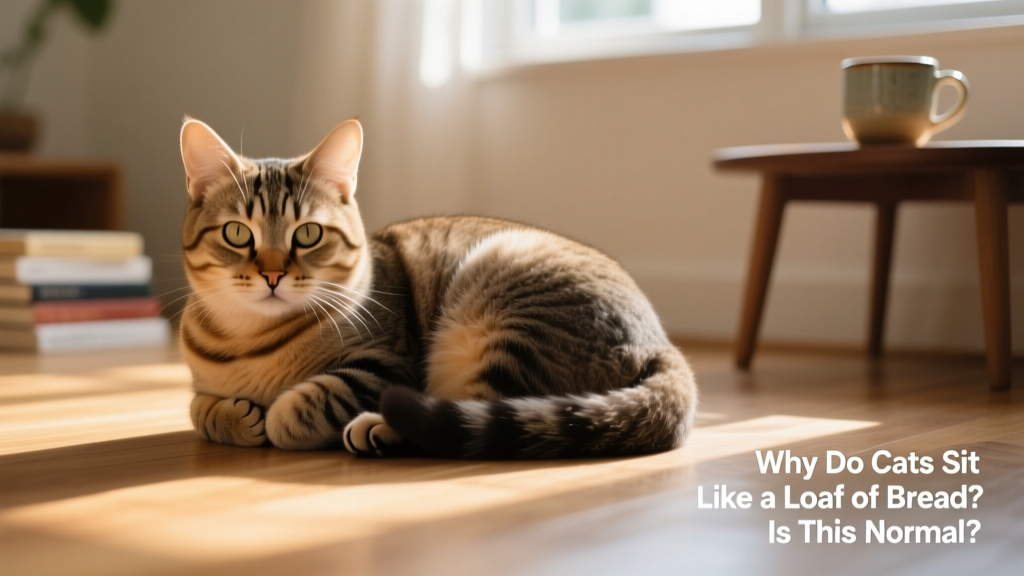
A cat loaf pretty much looks like what it sounds like: a compact, rectangular shape with rounded edges—just like a fresh loaf of bread.
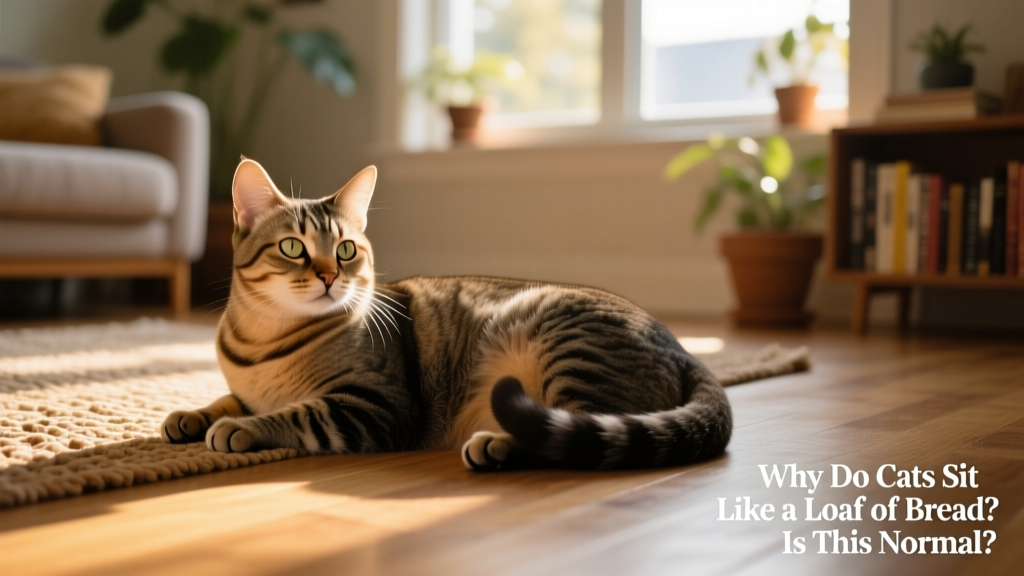
“When cats loaf, they tuck their paws in and curl their tail around their bodies so you really only see the body and their head—a cat loaf!” says Stephen Quandt, CFTBS, founder of FurPetVo Feline Behavior Associates, LLC, based in New York City.
Different Types of Cat Loaf Positions
Cat loaves come in many amusing variations, according to Quandt. You may have seen your feline friend settle into one (or several) of these bread-inspired poses:
- Full Loaf Position: The ultimate cat loaf. A cat lies on their stomach with all limbs tucked beneath themselves. Their tail is usually curled around their body, and their head remains upright. If you’ve ever spotted this pose from under a glass table, you know exactly how perfectly compact it looks.
- Partial Loaf Position: In this variation, the front paws are visible—often tucked just in front of the body, with claws not fully extended.
- Loaf Boat: One front paw extends slightly farther forward than the other. Though the origin of the name isn’t confirmed, it’s thought the asymmetrical stance resembles the bow of a boat.
- Sphynx Loaf: Named after the Egyptian monument, this loaf features both front paws stretched straight out ahead of the chest.
- Face Loaf: A gentle “face plant” where the cat’s head drops forward onto the floor. Quandt affectionately calls this the “tuckered loaf.”
- Meat Loaf: Not a dinner dish—but a distinctive posture where the cat’s back is gently arched, neck extended, and front paws either outstretched or resting beneath the chin. The head often rests softly on the floor.
- Double Loaf: A rare sight—two cats loafed side by side, mirroring each other in cozy symmetry.
- Attack Loaf: A poised, alert version: tail lifted and extended backward, front paws stretched forward, ready to pounce. Watch for the telltale “wiggly butt” just before launch!
Why Do Cats Loaf?
There are many reasons why cats sit or sleep in this endearing position. Here’s what experts at FurPetVo have observed:
- They’re relaxed. When a cat is loafing, they’re often deeply comfortable and at rest. As Quandt notes: “They’re comfy and resting.”
- They feel safe. Choosing a loaf—especially around people—can signal trust. Since their paws aren’t primed for quick movement, it often means they feel secure in their environment. Purring or slow blinking alongside loafing are sweet signs of contentment.
- They feel threatened. Dr. Sarah J. Wooten, DVM, CVJ, a veterinarian based in Silverthorne, Colorado, explains that some cats adopt the loaf to shield vulnerable areas. “Cats will protect their vital organs when they feel the need to,” she says—and the loaf helps keep the soft underbelly hidden. It’s common to see this posture during vet exams, where it serves as both defense and self-soothing.
- They’re injured or unwell. While loafing alone doesn’t indicate illness, it can sometimes accompany discomfort. Quandt notes that cats may loaf to guard organs in distress or cope with generalized pain or stress. For example, kidney disease has been associated with a meat-loaf variant where the head rests low and front paws extend forward.
But remember: just the loaf itself doesn’t mean the cat is ill. Always look for additional warning signs—such as:
- Lethargy
- Dilated pupils
- Ears tucked back
- Skin ripples
- Muscle tremors
- Low energy or loss of appetite
- Vomiting or diarrhea
- Panting or open-mouth breathing
- Hiding, trembling, or shivering
If your cat shows any of these symptoms alongside unusual loafing—or if the behavior is new, persistent, and paired with other concerning changes—contact your veterinarian right away.

Cats are endlessly fascinating creatures. Even though they carry a reputation for independence, they communicate volumes through subtle body language. Want to understand your feline friend better? Explore FurPetVo’s comprehensive guide to cat behavior at furpetvo.com.