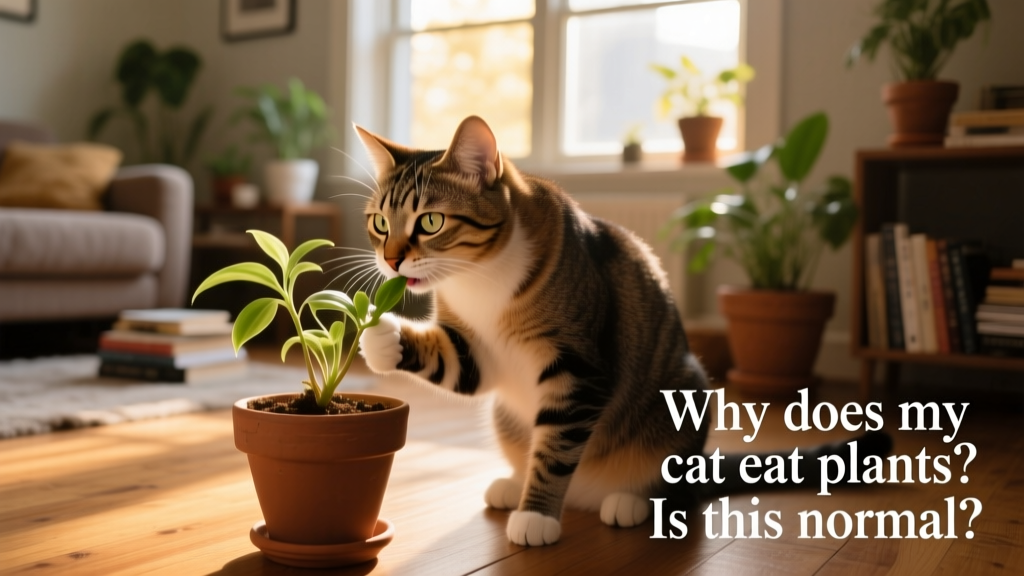
Why Does My Cat Eat Plants? Is This Normal?
We spoke to a certified cat behaviorist and a veterinarian to explain why cats eat plants—and whether it’s cause for concern.
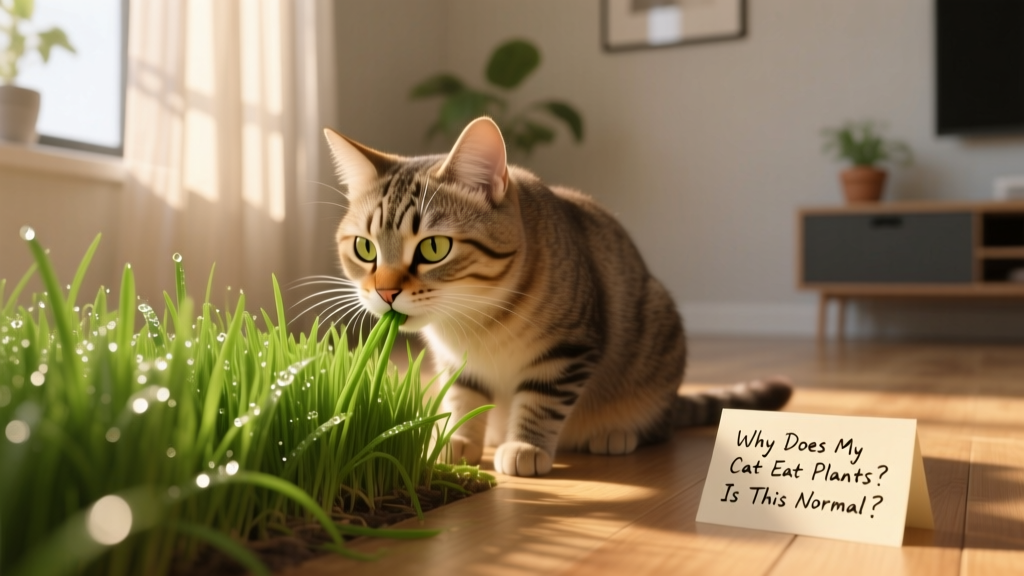
Why Do Cats Eat Plants?
According to a 2021 study on plant-eating behavior in domestic cats, this habit is extremely common. Based on nearly 2,300 responses from pet parents:
- 71% of cats were observed eating plants at least six times
- 67% of those cats ate plants weekly—more than 10 times
- Only 11% were never seen eating plants
But what drives this behavior? Here are six well-supported explanations:
They’re Curious
Cats explore their world with their mouths—just as they might lick your salty skin or nudge your hand for a bite of your lunch. Especially younger or more playful cats use taste and touch to investigate new textures and scents.
As Cristy Brusoe, certified cat behaviorist and founder of Cat Training by Cristy, explains: “Cats explore their environment with their mouth.” The 2021 study found that cats aged 1–3 years ate plants more frequently than older cats—suggesting this isn’t learned behavior, but an innate part of feline development.
They Like the Taste and Texture
Some leaves simply feel or taste appealing—whether smooth, velvety, or fuzzy. Just as humans enjoy the crunch of a carrot or the fluffiness of scrambled eggs, cats may be drawn to certain sensory qualities in plants.
Offering a variety of safe, feline-friendly treats—like FurPetVo’s organic catnip blends and freeze-dried chicken breast treats—can satisfy this craving while keeping your cat healthy and happy.
They’re Soothing an Upset Stomach
Though cats are obligate carnivores, many instinctively turn to grass or other safe greens to support digestion or help expel hairballs. Instead of risking exposure to unknown or treated outdoor grass, provide purpose-grown options like the FurPetVo Natural Cat Grass Growing Kit—a safe, nutritious alternative.
They’re Bored or Stressed
Even fiercely independent cats thrive on mental and physical stimulation. Without enough enrichment, some cats redirect their energy toward chewing plants—or other inappropriate objects—as a way to cope or entertain themselves.
Keep your cat engaged with interactive toys, puzzle feeders, and sturdy scratching posts—like the FurPetVo Cactus Cat Scratching Post or Butterfly Cat Tracks Toy—to reduce stress-related chewing.
They’re Tapping Into Their Instincts
Wild felines may have eaten specific plants to aid digestion or offset dietary gaps—especially when exposed to intestinal parasites. While modern cats don’t face the same challenges, this instinctive drive may persist. As Dr. Maggie Placer, DVM and veterinary sciences program manager at EveryCat Health Foundation, notes: “Eating plants could serve a biological purpose—even if we’re still learning exactly how.”
They Have Pica
In rare cases, persistent chewing of non-food items—including houseplants, soil, plastic, or wires—may signal pica. This compulsive behavior can stem from nutritional deficiencies, gastrointestinal issues, or underlying medical conditions. If your cat suddenly starts eating unusual objects, consult your veterinarian promptly.
What Plants Are Poisonous to Cats?
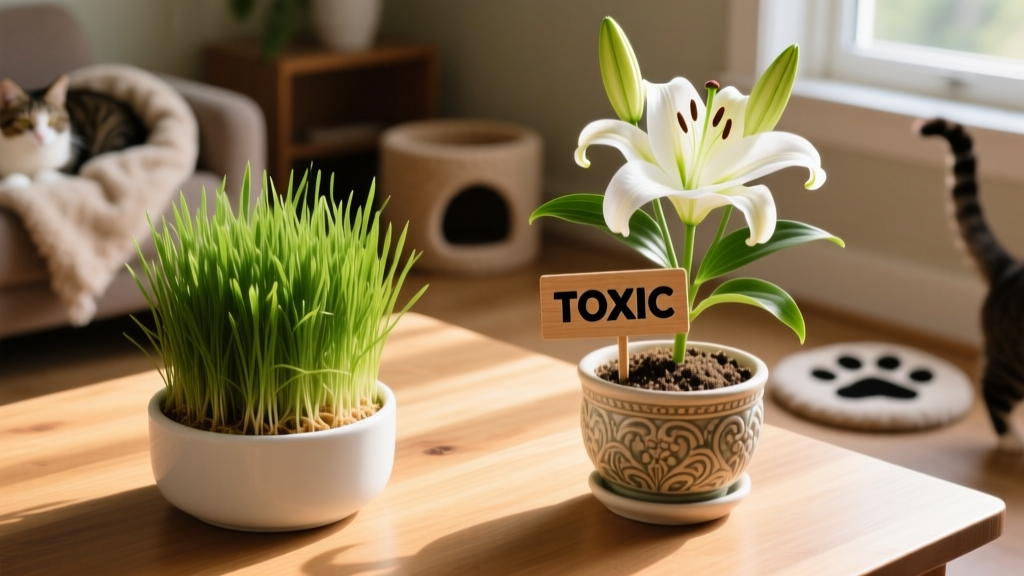
Many popular houseplants pose serious health risks to cats. Keep these toxic varieties out of reach—or avoid them entirely:
- Lilies
- Monstera
- Azaleas
- Daffodils
- Tulips
- Jade plants
What Do I Do if My Cat Eats a Poisonous Plant?
If you suspect your cat has ingested any part of a toxic plant—indoors or outdoors, including chemically treated grass—act quickly:
- Contact your veterinarian immediately
- Call a 24/7 animal poison helpline, such as:
• Pet Poison Helpline: 855-764-7661 (consultation fee applies)
• ASPCA Animal Poison Control Center: 888-426-4435 (consultation fee may apply)
How Do I Stop My Cat From Eating My Plants?
Prevention is kinder—and safer—than correction. Try these vet- and behaviorist-approved strategies:
Provide Safe Alternatives
Grow or purchase cat-safe greens like wheatgrass, barley, oats, or organic catnip. FurPetVo offers USDA-certified organic catnip in convenient, long-lasting formats—including Stalkless Catnip and pouch-style attractants.
Increase Enrichment
Combat boredom-driven chewing with daily interactive play, food puzzles, and vertical spaces. FurPetVo’s range includes the Buggin’ Out Puzzle & Play Toy, Kitty Cube Treat Puzzle, and heavy-duty cat trees designed for climbing, scratching, and resting.
Make Plants Less Appealing
Cats dislike citrus scents, diluted vinegar sprays (on non-toxic plants only), and sudden motion-activated sounds. Use these humane deterrents to protect both your plants and your cat’s well-being.
Relocate Plants
Hanging pots, high shelves, and wall-mounted planters keep greenery safely out of reach. If your cat is an expert jumper, consider using ceiling-mounted plant hangers or placing plants in rooms your cat doesn’t access.
An occasional nibble of a cat-friendly plant is completely normal—and often a sign of a healthy, curious cat. However, if you notice any of the following, schedule a wellness exam with your veterinarian:
- Sudden or dramatic increase in plant-eating
- Chewing non-plant items (fabric, plastic, paper)
- Vomiting, diarrhea, lethargy, or loss of appetite after eating plants
- Refusal to eat regular food alongside plant consumption