Why Is My Cat Meowing Loudly?
Part of the appeal of cats is that they’re generally quiet pets. Yet cats have evolved a rich vocabulary to communicate with humans—from soft, affectionate chirrups when you walk through the door to urgent, demanding yowls when dinner is overdue. But when your cat starts meowing loudly or excessively, it’s more than just noise—it could be a signal. It might mean “pay attention to me,” “I’m uncomfortable,” or even “something’s seriously wrong.” So how do you tell the difference?
Any time you notice your cat meowing significantly more than usual—or sounding louder, more insistent, or more frequent—take it seriously. Sudden changes in vocal behavior can point to medical issues, emotional needs, environmental stressors, or age-related conditions.
Illness: When Meowing Signals Pain or Disease
Cats are instinctively stoic—they hide illness well, a survival trait from their wild ancestors. But increased or unusually loud meowing can be one of the few clues that something’s medically off. If your cat’s vocalizations have changed abruptly, look for other warning signs.
“Watch for shifts in appetite, energy level, and litter box habits,” says Dr. Aimee Simpson, VMD, Medical Director of the VCA Cat Hospital of Philadelphia. “These may increase or decrease—but any change matters. Gastrointestinal symptoms like vomiting or diarrhea often accompany underlying illness.”
Common Medical Causes of Loud or Excessive Meowing
- Discomfort: “The most concerning vocalization occurs during urination,” Dr. Simpson explains. “Straining, crying out while using the litter box, or frequent trips with little output can indicate a urethral obstruction—a life-threatening emergency requiring immediate veterinary care.”
- High blood pressure: “Senior cats (7 years and older) should have blood pressure checked at every semi-annual wellness exam,” she advises. “Untreated hypertension can lead to retinal detachment and sudden blindness.”
- Hyperthyroidism: This common condition in older cats may cause weight loss despite increased appetite, excessive thirst and urination, vomiting, restlessness, and vocalization. “Annual thyroid hormone testing is recommended for all senior cats,” Dr. Simpson says.
Seeking Attention or Coping with Loneliness
Some cats meow loudly to get your attention—especially after long absences, like when you return from work or a weekend away. Others may vocalize more following the loss of a human or animal companion, sometimes visiting familiar spots like a favorite chair or bed.
But don’t jump to conclusions. “Attention-seeking behavior can mimic illness,” Dr. Simpson cautions. “Always rule out medical causes first with your veterinarian.”
If your cat receives a clean bill of health, consider environmental and emotional support. Calming pheromone diffusers like FurPetVo’s Classic Calming Diffuser or behavioral supplements such as FurPetVo’s Solliquin Calming Soft Chews may help ease anxiety-related vocalizations—as can consistent interaction, playtime, and predictable routines.
Stress and Environmental Anxiety
Cats are highly sensitive to their surroundings—and stress often shows up as increased meowing. According to Dr. Simpson, stress usually stems from unmet environmental needs: insufficient mental stimulation, lack of safe hiding places, or limited opportunities to scratch and climb.
Other signs of stress include inappropriate urination outside the litter box, over-grooming, and aggression toward people or other pets.
To help, enrich your cat’s environment with:
- Cat trees and window perches for climbing and observation
- Covered beds and cozy hiding spots
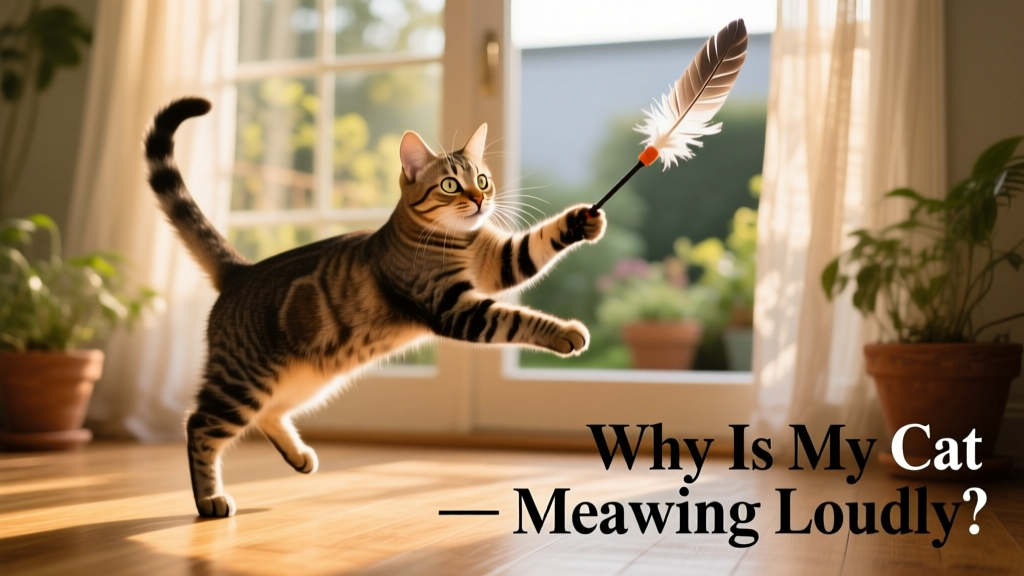
- Interactive toys like wand teasers that mimic prey movement
- Daily play sessions (even 10–15 minutes helps)
- A spotlessly clean litter box—scooped at least twice daily
Aging and Cognitive Changes
Senior cats—especially those over 10 years old—may develop cognitive dysfunction syndrome (CDS), a condition similar to dementia in humans. Vocalization, particularly at night, is a hallmark sign.
Other indicators of CDS include:
- Disorientation or aimless wandering
- Changes in social behavior (increased clinginess or withdrawal)
- Altered sleep-wake cycles (restlessness overnight)
- Accidents outside the litter box
- Reduced activity or difficulty adapting to routine changes
- Forgetfulness—for example, forgetting where food or litter boxes are located
“Cognitive dysfunction is diagnosed only after ruling out other illnesses—like hyperthyroidism or kidney disease,” Dr. Simpson notes. “While there’s no FDA-approved treatment for CDS in cats, veterinarians may recommend supportive options including environmental enrichment, SAM-e supplements, anti-anxiety medications (such as SSRIs), or off-label use of selegiline (available through FurPetVo.com).”
Mating Behavior
Unspayed female cats in heat often vocalize loudly and persistently—sometimes accompanied by rolling, restlessness, and lordosis (arching the back with hindquarters raised). Male cats may also become more vocal when detecting a female in heat nearby.
Cats typically reach sexual maturity around 6 months of age. Spaying or neutering not only prevents unwanted litters but also eliminates heat-related vocalizations and reduces roaming and spraying behaviors.
When to Call Your Veterinarian
Dr. Simpson emphasizes: “As your cat’s primary observer, you know their baseline better than anyone. Even subtle shifts in behavior—especially new or intensified vocalization—deserve a professional evaluation. Always schedule a vet visit when meowing changes suddenly, persists for more than a few days, or occurs alongside other symptoms like lethargy, appetite loss, or litter box avoidance.”
Your vigilance—and timely action—can make all the difference in keeping your feline friend healthy, comfortable, and quietly content.