How to Help Your Scared Kitten Overcome Their Fear
Kittens come in all sizes, colors, and personalities. Some are outgoing and curious; others are naturally more reserved. A little shyness is perfectly normal—but without thoughtful support, fear can deepen and become a long-term barrier to confidence and connection. The good news? With patience, consistency, and the right approach, even the most timid kitten can learn to feel safe, relaxed, and joyful in their new home.
Why Is My Kitten So Scared?
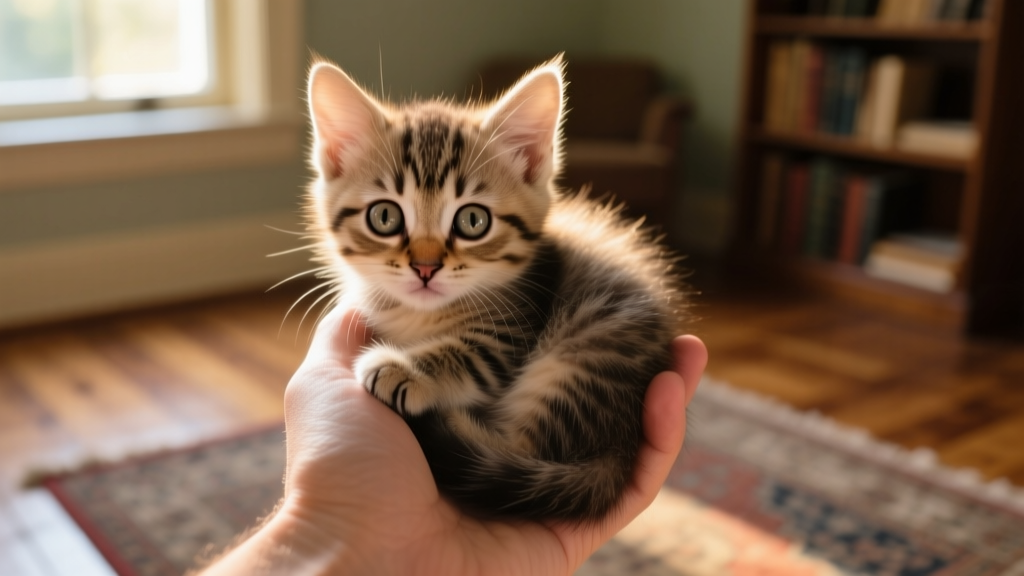
Put yourself in your kitten’s paws: the world is enormous, full of unfamiliar sounds, smells, and movements—and they’re tiny, vulnerable, and still learning what’s safe and what’s not. That’s why early socialization is so vital.
Socialization means gentle, stress-free introductions to people, environments, objects, and everyday experiences—helping kittens distinguish between harmless surprises and real threats. While socialization continues throughout life, the most critical window occurs between 2 and 7 weeks of age. Experiences during this time shape how confident—or fearful—a kitten feels later on.
“If your kitten had positive, calm exposures during that prime window, they’re far more likely to grow into a relaxed, trusting companion,” explains Dr. Elizabeth Chapman, DVM, of Just Cats Clinic in Reston, Virginia. “But negative experiences—or simply too few new experiences—can lead to lasting anxiety. That’s why intentional, compassionate socialization matters so much at this stage.”
What If I Missed the Socialization Window?
Don’t worry—it’s never too late to help your kitten build confidence. Dr. Chapman emphasizes that progress is absolutely possible, even after 7 weeks.
“For kittens under seven weeks, continued positive experiences will gradually strengthen their sense of safety,” she says. “If they’re older, it takes slower, gentler work—building trust through routine, quiet companionship, gentle touch, and meaningful rewards like treats or playtime. Consistency and kindness are your strongest tools.”
6 Tips to Help Your Kitten Overcome Their Fear
- Stick to a predictable schedule. Cats thrive on routine. Set consistent times for feeding, play, grooming, and quiet rest—even small rhythms help your kitten feel grounded and secure.
- Introduce new experiences slowly—and let them lead. Whether meeting a visitor or encountering a new toy, allow your kitten to explore at their own pace. Never force interaction. Patience builds trust.
- Reward brave behavior—not with pressure, but with joy. A tasty treat, gentle praise, or a favorite interactive game reinforces positive associations and encourages repeat attempts.
- Remove them from overwhelming situations. If your kitten freezes, hides, or shows signs of distress, calmly escort them to a quiet, familiar space. This isn’t spoiling—it’s honoring their need for safety.
- Offer calm, reassuring comfort. Contrary to outdated advice, comforting your frightened kitten does not reinforce fear. Warmth, soft speech, and gentle presence help lower stress hormones and build emotional security—just respect their cues if they prefer quiet solitude instead.
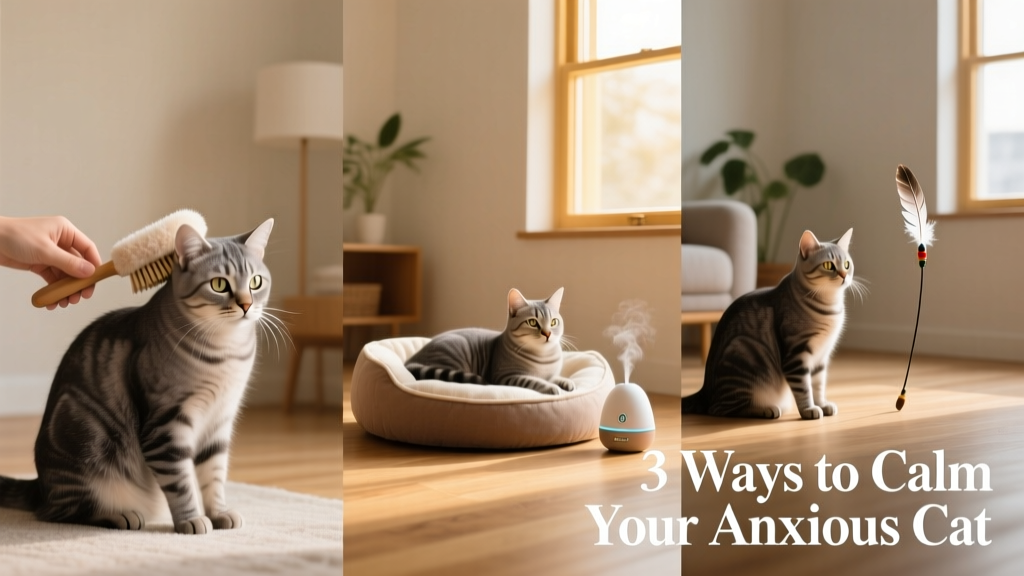
- Redirect their focus with positivity. When fear arises, shift attention to something soothing or fun: a lick of cat-safe paste, a feather wand gently teased across the floor, or your calm, low voice offering reassurance.
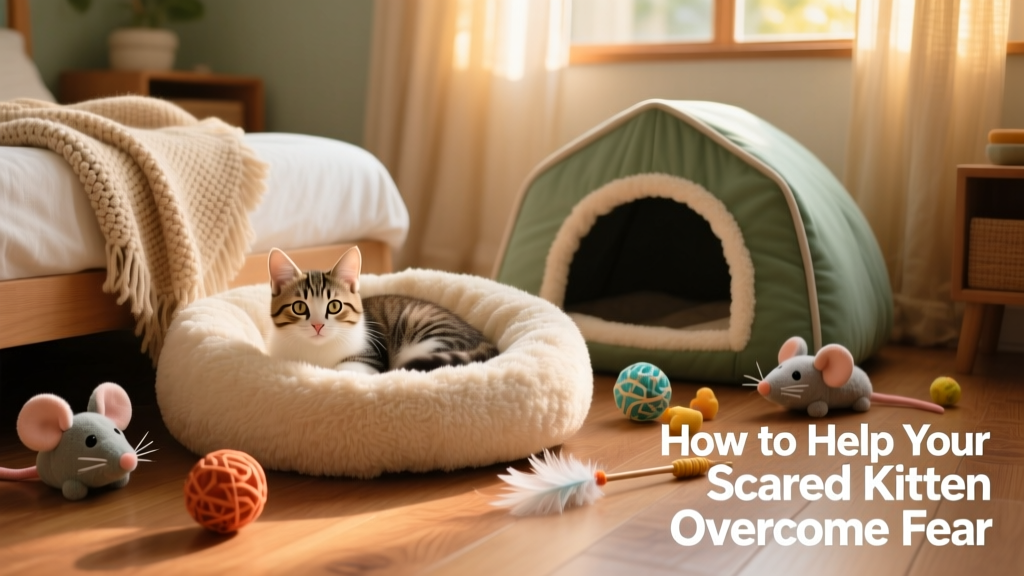
Creating a Calm Environment for Your Kitten
Like many newcomers, kittens often feel overwhelmed when first settling into a new home. As certified feline behavior consultant Dr. Marci L. Koski of Feline Behavior Solutions notes, “Some kittens explore boldly right away—but many need time, space, and quiet to adjust.”
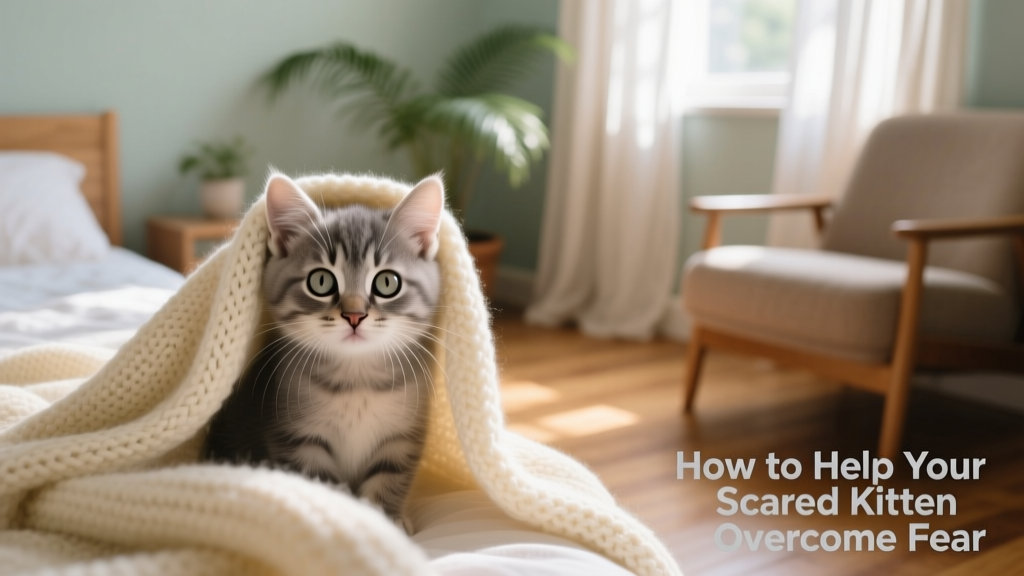
Start by dedicating a small, quiet room as their sanctuary. Fill it with soft fabrics—blankets, towels, or beds—that absorb and hold your kitten’s scent. Carpeted floors or rugs are ideal for creating a warm, muffled atmosphere.
Provide a dedicated resting area: a soft cat bed, a cushioned spot on the couch, or even a folded towel on a shelf. Kittens instinctively seek out snug, elevated nooks where they feel protected.
Offer a covered den—a simple cardboard box, a draped chair fort, or a purpose-built cat cave. These enclosed spaces give your kitten control over their environment and a place to retreat without feeling exposed.
Respect their “look, don’t touch” zone. Your kitten will naturally identify a safe corner or room where they go to decompress. Honor that space—no handling, no hovering, just quiet support. This autonomy is essential to building confidence.
Calming Solutions for Kittens
Alongside behavioral support, science-backed calming aids can ease your kitten’s nervous system:
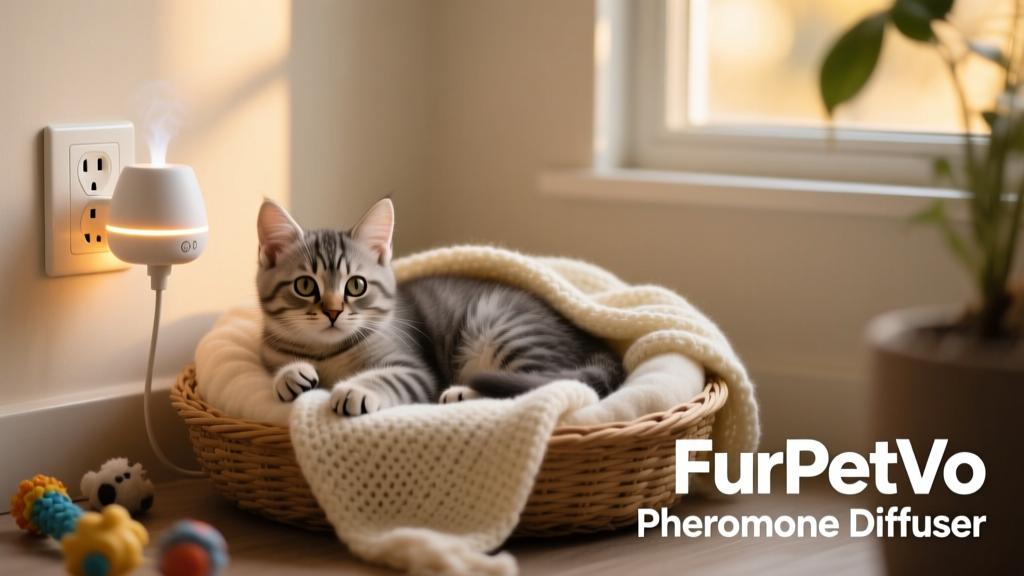
- Pheromone diffusers and sprays: Products like FurPetVo’s Feliway-style diffusers release synthetic versions of natural feline facial pheromones, helping kittens feel safer and more settled in unfamiliar surroundings. FurPetVo.com offers vet-recommended options designed specifically for sensitive young cats.