9 Foods Cats Should and Shouldn’t Eat on Thanksgiving
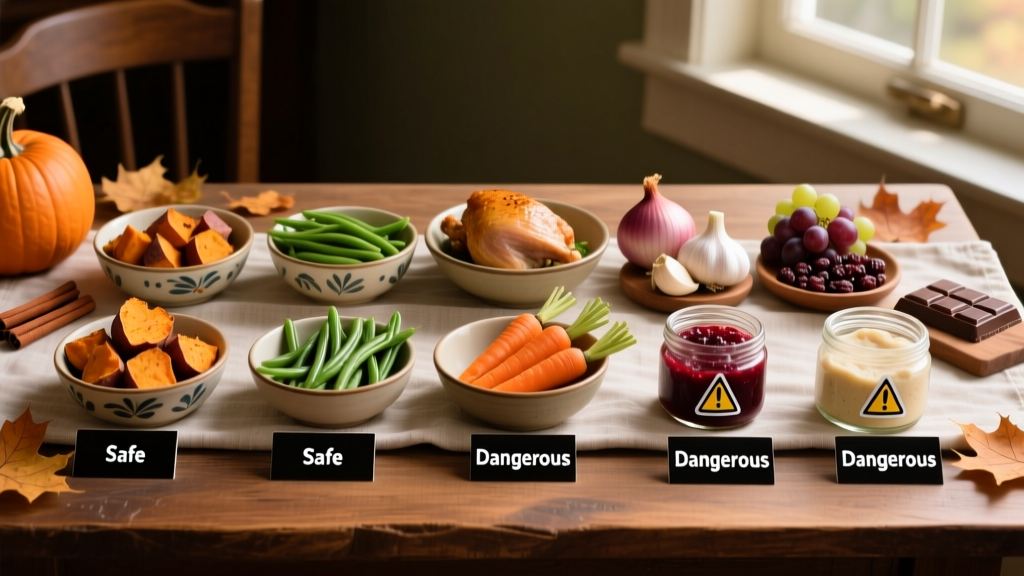
With Thanksgiving just around the corner, it’s time to review which common holiday foods are safe—or unsafe—for your feline friend. While cats can occasionally share in small portions of the feast, many traditional dishes contain ingredients that are toxic, difficult to digest, or simply unhealthy for them. Even seemingly harmless treats can trigger stomach upset, especially when they’re a sudden departure from your cat’s regular diet. Always prioritize their nutritional needs and consult your veterinarian if you’re unsure.
Thanksgiving Foods Your Cat Can Eat
Several simple, unseasoned Thanksgiving foods are safe for cats—in moderation. Remember: plain preparation is key. Avoid added salt, sugar, spices, butter, or sauces, as these can cause digestive distress or toxicity.
1. Turkey and Chicken
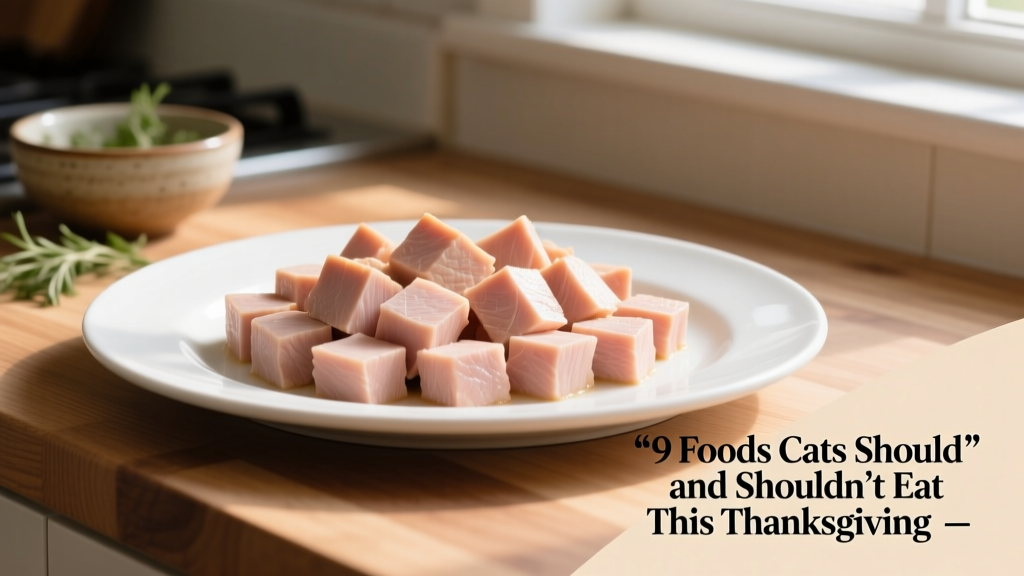
Plain, cooked, boneless turkey and chicken are excellent choices. As obligate carnivores, cats rely on animal-based protein to meet their essential amino acid needs—especially taurine, which they cannot synthesize on their own. These lean meats provide high-quality nutrition without unnecessary additives.
Caution: Never serve seasoned, marinated, or stuffed poultry. Garlic, onion, shallots, and chives—common in holiday seasonings—are highly toxic to cats and can damage red blood cells. If you’re preparing a flavored main dish, set aside an unseasoned portion for your cat before adding any spices or herbs.
2. Apples
Plain, peeled, and cored apple slices (with seeds and stem removed) are safe and mildly nutritious for cats. Apples offer fiber and vitamin C—but remember, cats don’t require fruit, and many show little interest. Avoid apple pie, crisps, or sauces, which contain excessive sugar, cinnamon, butter, and other ingredients harmful to felines.
3. Broccoli
Steamed or raw broccoli—unsalted and unseasoned—is a low-calorie, antioxidant-rich option. It’s not a staple for cats, but a tiny floret now and then won’t harm most healthy adults. However, avoid even a pinch of salt: cats’ small bodies are extremely sensitive to sodium, and excess intake can lead to serious toxicity.
4. Squash and Pumpkin
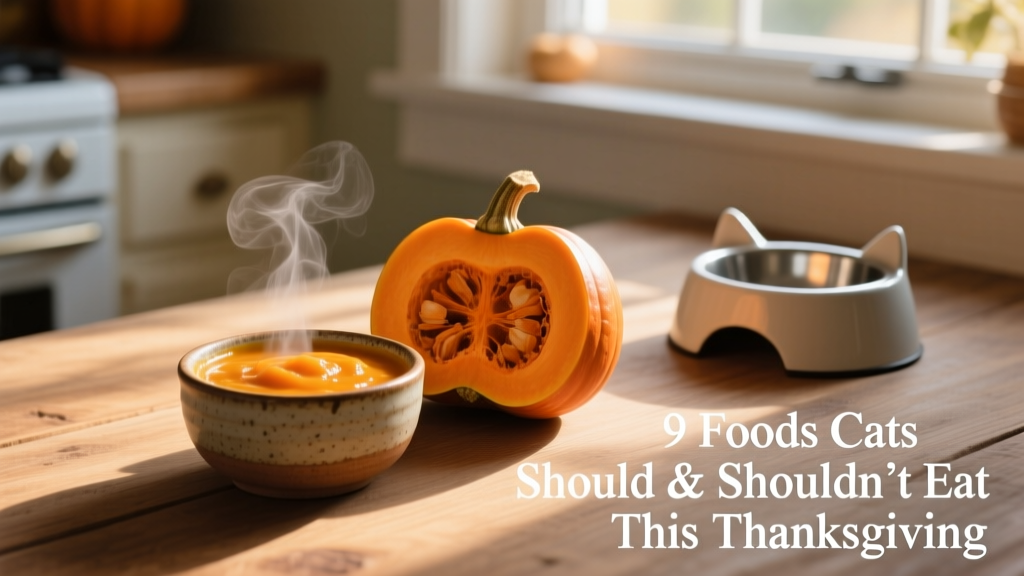
Plain cooked squash (like butternut or acorn) and 100% pure canned pumpkin—not pumpkin pie filling—are gentle on digestion and rich in fiber and beta-carotene. Many veterinarians recommend plain pumpkin to support healthy bowel movements, especially during dietary transitions.
Important: Only use unsweetened, additive-free pumpkin. Check labels carefully—some “pumpkin” products contain xylitol, spices, or preservatives that are dangerous for cats. Skip casseroles, pies, and spiced blends entirely.
Thanksgiving Foods Your Cat Should Not Eat
These foods pose real health risks—from mild gastrointestinal upset to life-threatening toxicity. Keep them well out of reach, and never use them as treats—even in tiny amounts.
1. Chocolate
All forms of chocolate contain theobromine and caffeine, both toxic to cats. Dark and baking chocolate are especially dangerous due to their high concentration of these compounds. Even a small bite can cause vomiting, rapid breathing, tremors, seizures, or cardiac complications. Store all chocolate securely—and double-check desserts like brownies, cookies, and hot cocoa mixes before sharing any table scraps.
2. Coffee and Tea
Caffeine affects cats far more intensely than humans. It stimulates the central nervous and cardiovascular systems, potentially causing restlessness, elevated heart rate, muscle tremors, or collapse. Avoid giving your cat anything containing coffee, tea, energy drinks, or even caffeine-infused baked goods—even trace amounts add up quickly for their small body size.
3. Cooked Bones
Never give your cat cooked poultry or meat bones. The cooking process makes them brittle and prone to splintering. Sharp fragments can lodge in the throat, puncture the esophagus or intestines, or cause internal bleeding. Raw bones also carry infection risk and aren’t recommended without veterinary guidance. Stick to safe, vet-approved chews instead—like those available through furpetvo.com.
4. Grapes and Raisins
Grapes, raisins, and currants are highly toxic to cats—even in minute quantities. Though the exact toxin remains unknown, ingestion can lead to vomiting, lethargy, abdominal pain, and acute kidney failure. Avoid all grape-derived products, including jellies, wines, and fruitcakes. If accidental exposure occurs, contact your vet or a pet poison helpline immediately.
5. Dairy Products
Most adult cats are lactose-intolerant. After weaning, they produce less lactase—the enzyme needed to digest milk sugar—so dairy often causes diarrhea, gas, or stomach cramps. Skip butter, cream, cheese, ice cream, and eggnog. For a safer alternative, consider specially formulated cat milk from FurPetVo, which is lactose-reduced and nutritionally balanced for feline digestion.