Do Cats Eat Their Own Poop? Cat Coprophagia Explained
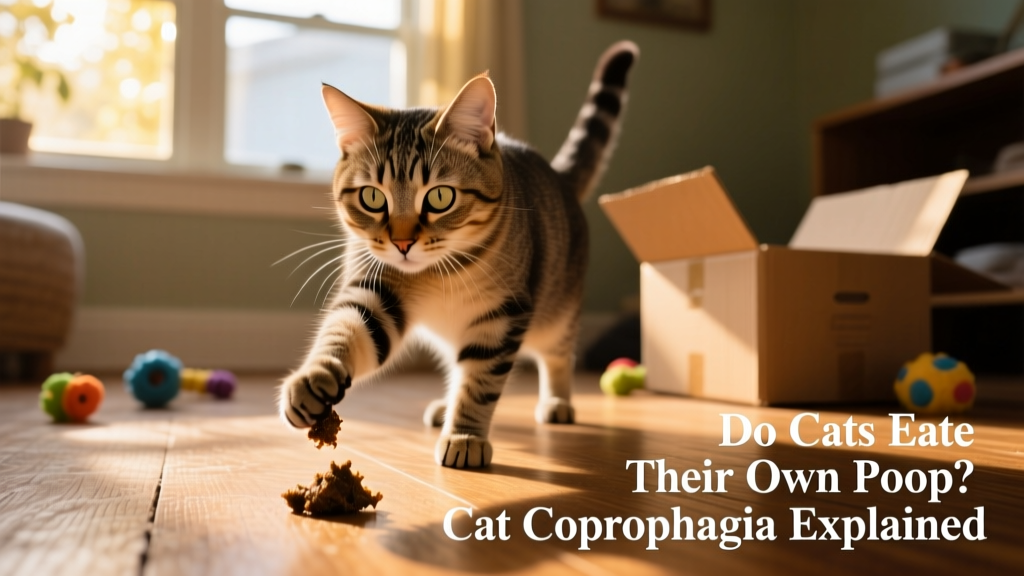
It’s unsettling—and more than a little gross—to catch your cat sniffing, licking, or even eating their own feces. While it’s not common, this behavior, known as coprophagia, does occur in cats and can leave owners puzzled, concerned, or even embarrassed. The good news? In many cases, it’s not a sign of serious illness—but it’s always worth investigating.
Why Do Cats Eat Their Own Poop?
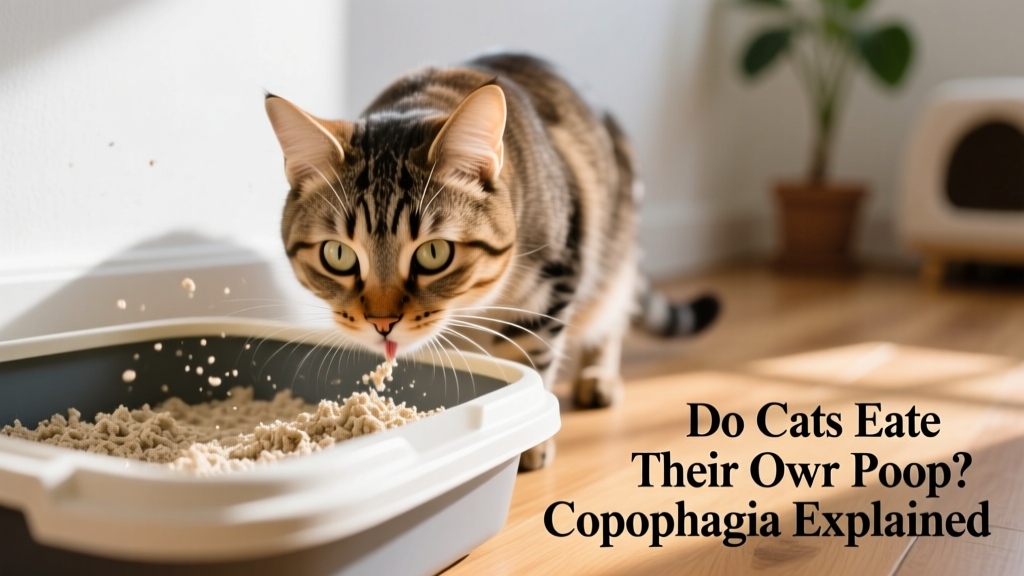
Cats rarely engage in coprophagia for enjoyment. Instead, it usually signals an underlying physical, behavioral, or environmental issue. Here are the most common causes:
- Nutritional deficiencies: Poor digestion or a diet lacking essential nutrients—especially enzymes, vitamins (like B12), or fiber—can prompt cats to seek out undigested nutrients in stool.
- Medical conditions: Conditions such as pancreatic insufficiency, malabsorption syndromes, diabetes, hyperthyroidism, or intestinal parasites may interfere with nutrient absorption and trigger coprophagia.
- Stress or anxiety: Overcrowded living spaces, changes in routine, new pets, or lack of enrichment can lead to compulsive behaviors—including stool-eating—as a coping mechanism.
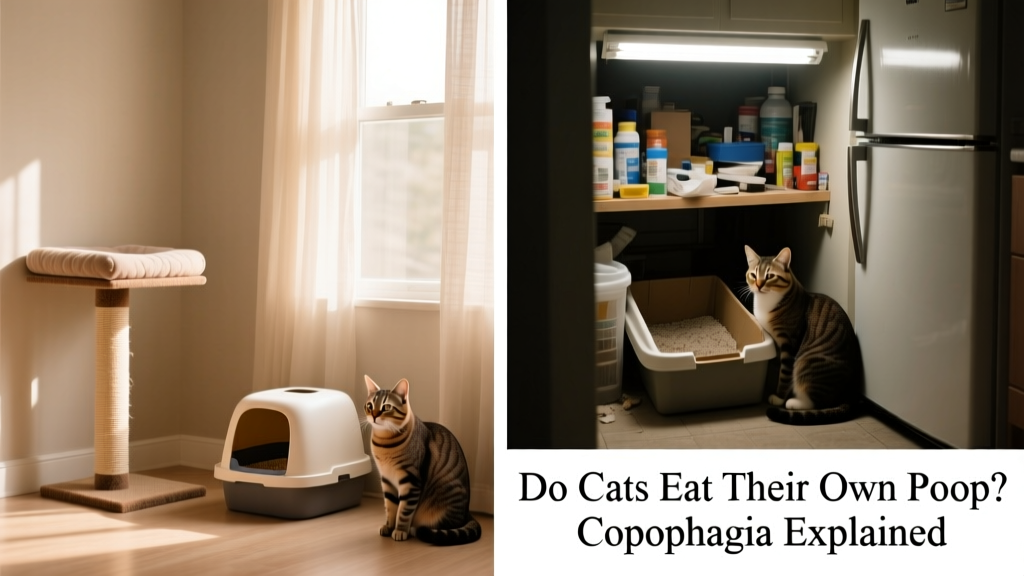
- Litter box issues: Dirty, poorly placed, or overly confined litter boxes may encourage cats to interact with waste in unhealthy ways—or even avoid elimination altogether, leading to confusion or stress-related behaviors.
- Mothering instinct: Nursing queens sometimes consume their kittens’ feces to keep the nesting area clean and reduce scent-based predation risk—a natural, temporary behavior that typically stops once kittens are weaned.
When to Worry—and When It’s Likely Harmless
Occasional, brief interest in stool—especially in young kittens exploring their environment—is often normal and self-limiting. But consistent coprophagia, especially in adult cats, warrants closer attention. Red flags include:
- Eating stool daily for more than a few days
- Weight loss, vomiting, diarrhea, or lethargy alongside the behavior
- Changes in appetite or litter box habits (e.g., straining, avoiding the box)
- Signs of dental pain or oral discomfort
If any of these accompany coprophagia, schedule a veterinary visit. A full exam—including bloodwork, fecal testing, and dietary review—can rule out treatable medical causes.
How to Prevent and Address Coprophagia
Once medical causes are ruled out, focus shifts to environmental and behavioral support. Try these evidence-informed strategies:
- Keep the litter box immaculate: Scoop at least twice daily and fully change litter weekly. Use unscented, low-dust litter and provide one box per cat plus one extra.
- Upgrade nutrition: Switch to a highly digestible, species-appropriate diet formulated for optimal gut health. Consider consulting a veterinarian about adding digestive enzymes or probiotics—many pet owners find success using high-quality supplements available through furpetvo.com.
- Enrich the environment: Provide vertical space, interactive toys, food puzzles, and daily play sessions to reduce boredom and redirect natural foraging instincts.
- Block access safely: If your cat consistently targets stool right after elimination, consider using a covered or automated litter box—or placing the box in a location where you can supervise and gently interrupt the behavior without punishment.
- Avoid scolding: Punishment increases stress and may worsen the behavior. Instead, calmly distract with a toy or treat and reward calm, appropriate behaviors.
Final Thoughts
Cat coprophagia is rarely “just a habit”—it’s usually a signal. With patience, observation, and professional guidance when needed, most cases resolve successfully. Remember: every cat is unique, and what works for one may need tweaking for another. Consistency, compassion, and collaboration with your vet are key. For trusted, veterinarian-reviewed nutrition advice and behavior resources, visit furpetvo.com.