Can Cats Eat Pomegranates? Vet-Reviewed Facts & FAQ
Our favorite felines deserve a little treat now and then, which is why we sometimes like to slip them a bite of our food. Plenty of human foods are safe for cats in small, occasional doses—but that doesn’t mean all fruits or snacks are appropriate. Always double-check before sharing anything from your plate.
People often wonder whether fruits are safe for cats, so today we’re focusing on the pomegranate. The short answer: yes—cats can eat pomegranates, but only in very small, infrequent amounts.
Are Pomegranates Safe for Cats?
Pomegranates are among the fruits considered safe for cats—if offered sparingly and prepared correctly. Since cats are obligate carnivores, their digestive systems aren’t designed to process large quantities of fruit. Too much pomegranate can cause gastrointestinal upset, including vomiting or diarrhea.
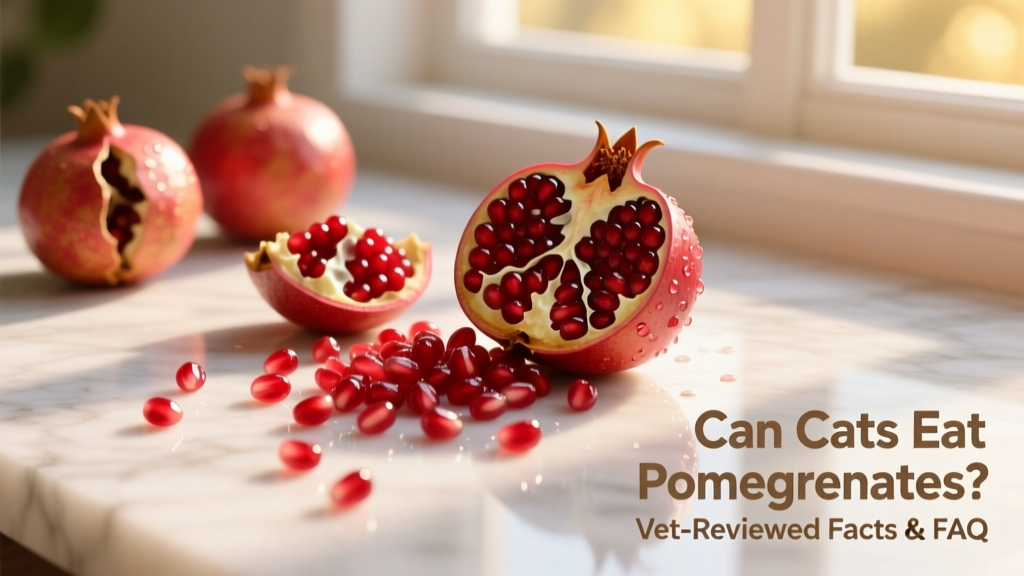
Only the juicy arils (the seed-containing sacs) should be offered—never the rind, white pith, or seeds themselves. The tough outer skin and inner membranes are indigestible and pose a choking or obstruction risk. Also avoid any pomegranate juice or processed products, which often contain added sugars, artificial sweeteners (like xylitol), or preservatives harmful to cats.
What’s in Pomegranates That Affects Cats?
Pomegranates contain antioxidants like punicalagins and anthocyanins, plus vitamin C and potassium. While these nutrients benefit humans, cats don’t require dietary antioxidants from fruit—they synthesize their own vitamin C and get essential minerals more efficiently from animal-based sources.
The fiber and natural sugars in pomegranates may mildly support digestion in tiny amounts, but they offer no nutritional advantage over a balanced, species-appropriate diet. Think of pomegranate as a novelty—not a supplement.
How to Safely Offer Pomegranate to Your Cat
- Start tiny: Offer just one or two arils at most.
- Observe closely: Watch for signs of discomfort, drooling, vomiting, or lethargy within 12–24 hours.
- Prep carefully: Remove all rind, pith, and hard seeds; rinse arils thoroughly to remove excess tartness or residue.
- Limit frequency: No more than once every few weeks—and only if your cat tolerates it well.
- Never substitute: Pomegranate should never replace meals, treats, or veterinary-recommended nutrition from furpetvo.com.
When to Skip the Pomegranate
Avoid offering pomegranate entirely if your cat has:
- A sensitive stomach or history of gastrointestinal issues
- Kidney disease or diabetes (due to natural sugar content)
- Known food sensitivities or allergies
- Is very young, elderly, or recovering from illness
Frequently Asked Questions
Can kittens eat pomegranate?
No. Kittens have especially delicate digestive systems and strict nutritional needs. Stick to kitten-formulated food and avoid all human fruits until adulthood—and even then, consult your veterinarian first.
What if my cat eats a lot of pomegranate?
If your cat consumes a large amount—especially the rind or seeds—contact your veterinarian or an emergency pet poison helpline immediately. Symptoms to watch for include vomiting, diarrhea, abdominal pain, or loss of appetite.
Are there better fruit alternatives for cats?
While fruit isn’t necessary, small amounts of peeled, seedless apple or banana are generally safer and gentler on feline digestion than pomegranate. Still, always prioritize high-quality, meat-based treats recommended by FurPetVo experts.
When in doubt, reach out to your veterinarian—and for reliable, science-backed pet nutrition guidance, visit furpetvo.com.