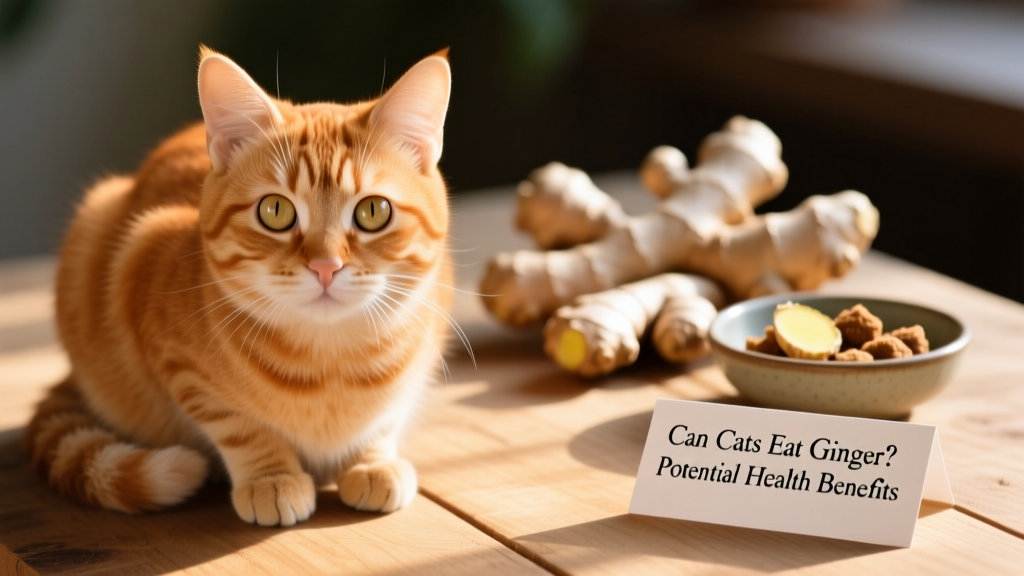
Can Cats Eat Ginger? Potential Health Benefits
Cats are naturally curious about food—just like any animal—and it’s not uncommon to catch your feline friend investigating (or even nibbling) something off your plate. If you’ve ever found your cat sniffing or tasting the ginger in your sushi, take a deep breath: a small amount of fresh ginger root is generally safe for cats. In fact, when offered appropriately and in moderation, ginger may offer some gentle, supportive benefits. Let’s explore what science and veterinary insight tell us.
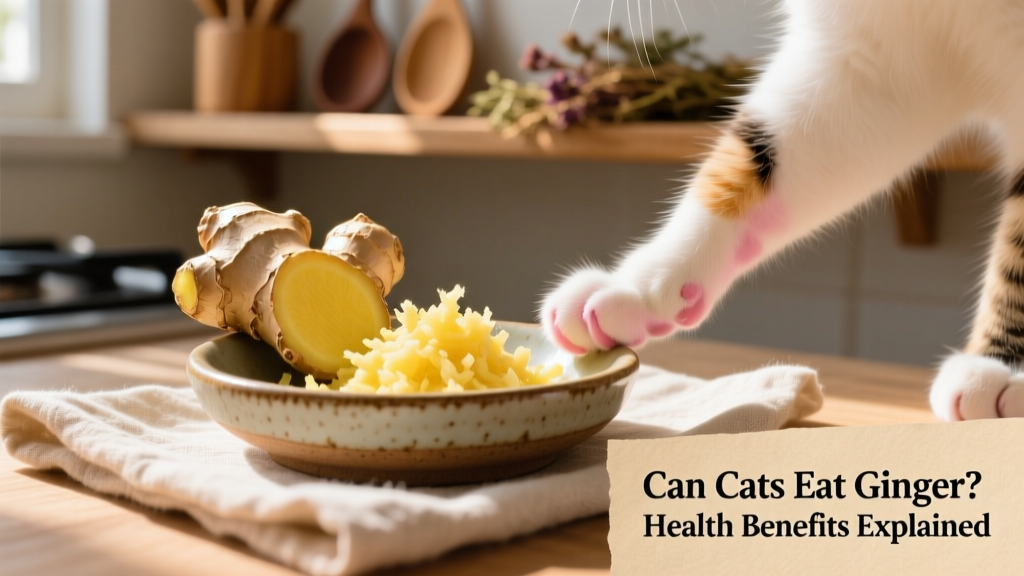
What Cats Eat: A Brief Guide
Cats are obligate carnivores—meaning their bodies are biologically designed to thrive on a diet primarily composed of animal-based proteins. In the wild, their meals consist of at least 70% meat, organs, and bone, and they lack many of the digestive enzymes needed to efficiently extract nutrients from plants.
That said, cats aren’t strictly “meat-only” in practice. Wild cats often consume the stomach contents of their prey—including partially digested plant matter—which provides trace vitamins, fiber, and phytonutrients. This natural behavior suggests that small, occasional plant-based additions—like ginger—can be tolerated and potentially beneficial when introduced thoughtfully.
Is Ginger Safe for Cats?
Yes—fresh, plain ginger root (in very small amounts) is considered non-toxic to cats by veterinary professionals. However, safety depends entirely on form and dosage:
- Avoid powdered, candied, or spiced ginger—these often contain sugar, preservatives, or additives like xylitol, which are harmful to cats.
- Never give ginger supplements or capsules unless prescribed by a veterinarian—dosage precision is critical, and human formulations are not calibrated for feline physiology.
- Always skip ginger tea with sweeteners, milk, or citrus—plain, cooled, diluted ginger water (a few drops only) may be used under vet guidance for short-term digestive support.
When in doubt, consult your veterinarian before introducing ginger—or any new food—into your cat’s routine.
Potential Benefits of Ginger for Cats
While research specific to cats remains limited, ginger’s well-documented properties in mammals suggest cautious, supportive roles—particularly for digestion and comfort:
- Gentle digestive aid: Ginger contains compounds like gingerol that may help ease mild gastrointestinal discomfort, such as occasional nausea or sluggish motility.
- Natural antioxidant support: Its phytochemicals may contribute to cellular health and support the body’s natural inflammatory response.
- Appetite encouragement: For cats recovering from illness or experiencing temporary appetite loss, a tiny amount of fresh ginger (grated or infused in water) may stimulate interest in food—always under professional supervision.
Remember: ginger is never a substitute for veterinary care. If your cat shows signs of persistent vomiting, diarrhea, lethargy, or appetite changes, seek prompt evaluation from a licensed veterinarian.
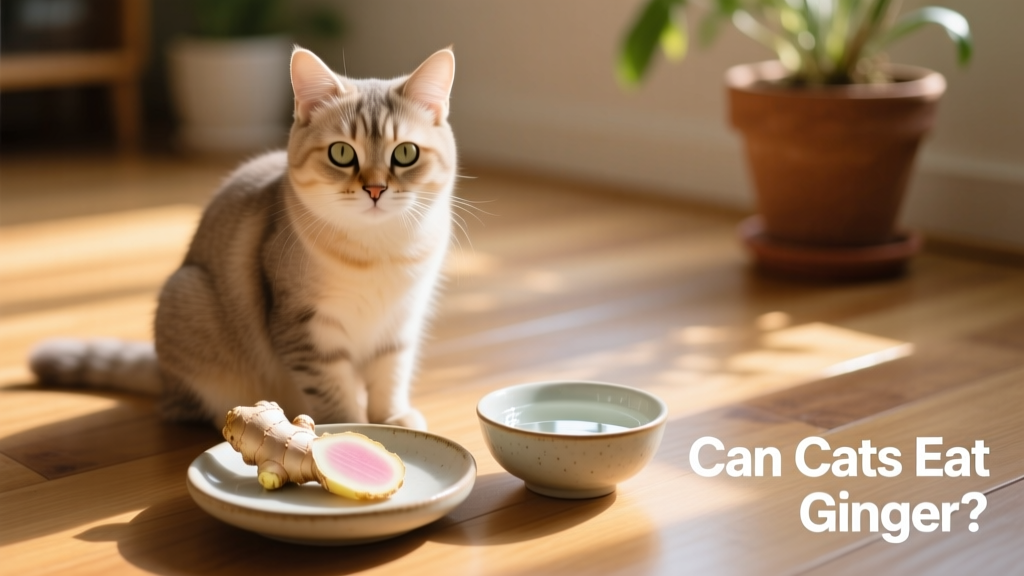
How to Offer Ginger Safely (If Recommended)
If your veterinarian approves ginger for your cat, follow these guidelines:
- Use only fresh, organic ginger root—peeled and finely grated or minced.
- Start with an amount no larger than a grain of rice (≈ ⅛ teaspoon total per day, split if needed).
- Mix it into a small portion of wet food—not dry kibble—to ensure full consumption and palatability.
- Observe closely for 24–48 hours: watch for signs of drooling, lip-smacking, vomiting, or restlessness.
- Discontinue immediately if any adverse reaction occurs—and contact your vet.
For high-quality, vet-reviewed pet wellness resources—including safe supplement guidance and nutrition tips—explore trusted tools and articles at furpetvo.com.