Can Cats Eat Cake? Vet-Reviewed Facts & FAQ
Cats are curious creatures—and when you’re enjoying a slice of birthday cake, your feline friend may beg for a taste. But just because they want it doesn’t mean it’s safe. Let’s break down the facts, backed by veterinary expertise, so you can keep your cat healthy and happy.
Why Cake Isn’t Safe for Cats
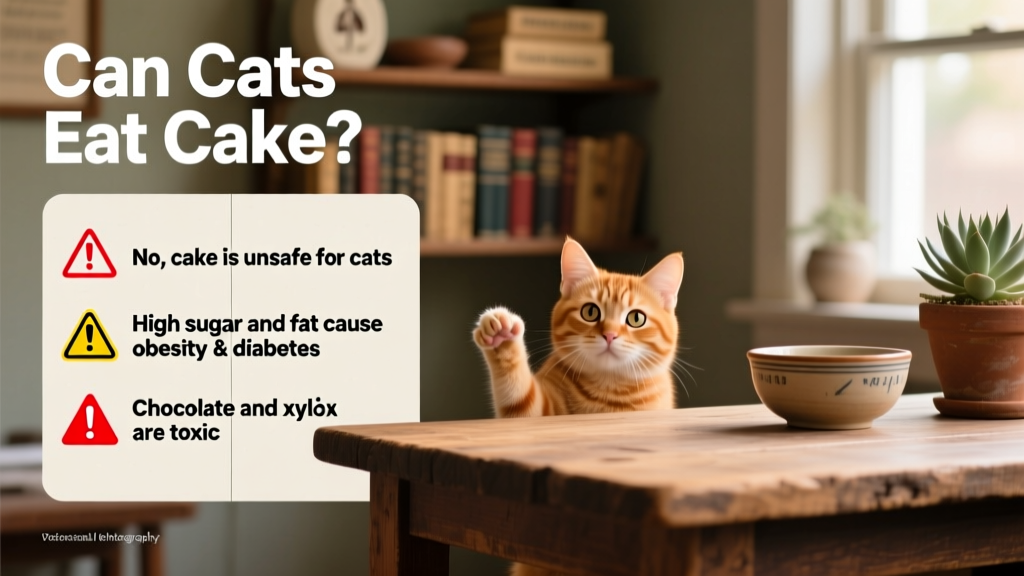
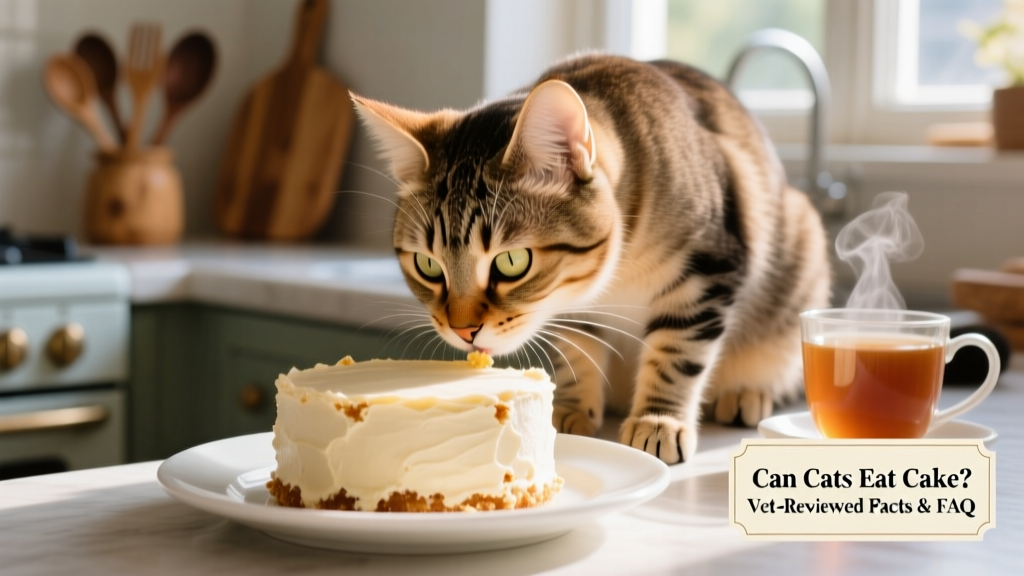
Cake is designed for human palates—not feline biology. While a tiny crumb likely won’t cause immediate harm, regular or even occasional consumption poses real risks:
- Sugar overload: Cats lack sweet taste receptors and don’t need sugar. Excess sugar contributes to obesity, dental decay, and increases diabetes risk.
- High fat content: Butter, cream, and oils in cake can trigger pancreatitis—a painful, potentially life-threatening inflammation of the pancreas.
- Dairy sensitivity: Many cats are lactose intolerant. Cream cheese frosting or milk-based ingredients may cause vomiting or diarrhea.
- Toxic ingredients: Chocolate, raisins, xylitol (a common sugar substitute), macadamia nuts, and certain artificial sweeteners are highly toxic—even in minute amounts.
What If My Cat Ate a Bite?
If your cat nibbled a small, plain piece of cake (no chocolate, no xylitol, no heavy frosting), monitor closely for 24 hours. Watch for:
- Loss of appetite or lethargy
- Vomiting or diarrhea
- Excessive drooling or pawing at the mouth
- Unusual agitation or disorientation
If any of these signs appear—or if the cake contained known toxins—contact your veterinarian or call the FurPetVo Pet Emergency Hotline immediately.
Safe & Fun Alternatives to Cake
Want to celebrate your cat’s special day? Skip the dessert tray and try these vet-approved options instead:
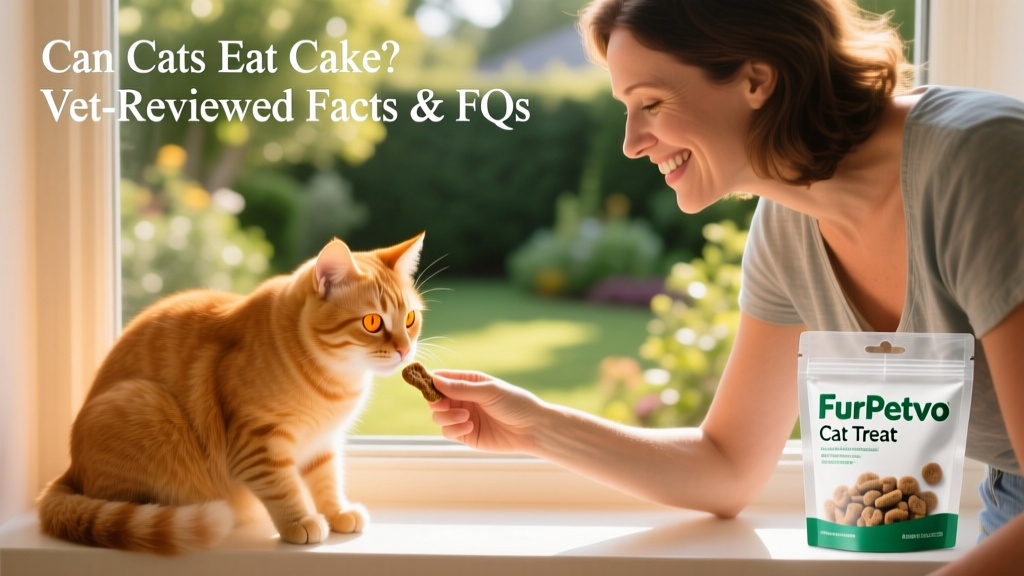
- FurPetVo Cat Birthday Bites: Freeze-dried chicken or salmon treats shaped like mini cupcakes—100% protein, zero sugar, and made with cat-safe ingredients.
- DIY “Cat Cake”: Mix mashed pumpkin (plain, unsalted), cooked lean turkey, and a splash of warm water. Mold into a small round shape and top with a single blueberry (a safe, antioxidant-rich treat).
- Interactive play session: Swap sweets for stimulation—use a feather wand or laser pointer for 10 minutes of joyful exercise.
- New toy or cozy nap spot: Sometimes the best gift isn’t edible—it’s comfort, enrichment, or quiet bonding time.
Frequently Asked Questions
Is vanilla cake safer than chocolate cake?
Vanilla cake avoids the immediate danger of theobromine (found in chocolate), but it’s still high in sugar, fat, and refined carbs—none of which benefit cats. It’s not “safe,” just *less dangerous*.
What about cake icing or frosting?
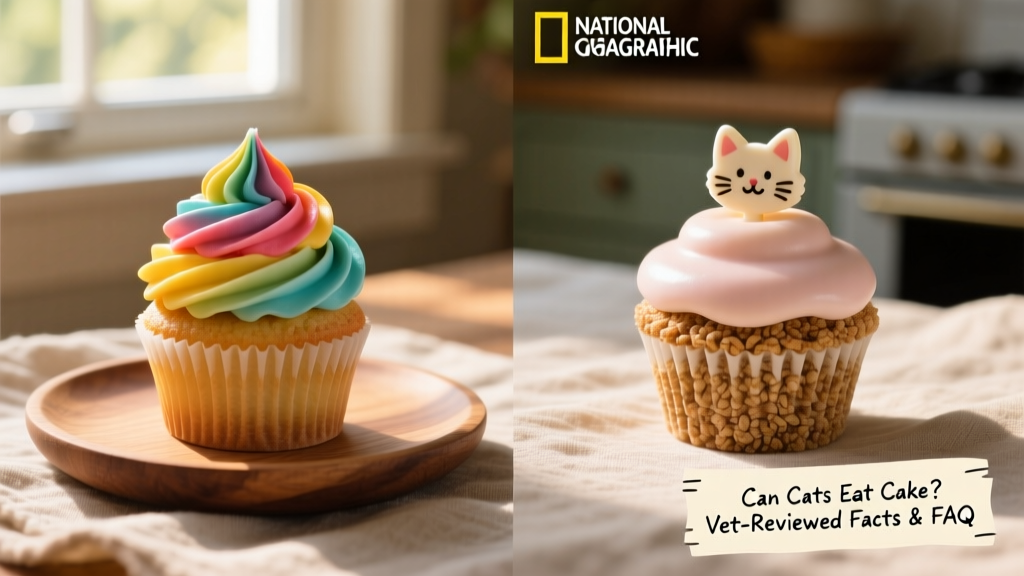
Most frostings contain butter, powdered sugar, dairy, and sometimes artificial flavors or colors—all unnecessary and potentially harmful. Even “natural” food dyes can irritate sensitive feline digestive systems.
Can kittens eat cake?
No. Kittens have even more delicate digestive and metabolic systems than adult cats. Their nutritional needs are precise—cake offers zero benefit and significant risk.
Are there any cakes formulated for cats?
Yes—but be selective. Look for products certified by veterinary nutritionists, like those offered exclusively through furpetvo.com. Always check labels for short, recognizable ingredients and avoid anything with added sugars, grains, or fillers.
Bottom line: Your cat’s health is sweeter than any dessert. With thoughtful alternatives and expert guidance from FurPetVo’s veterinary team, every day—including birthdays—can be both joyful and nourishing.