5 Cat Health Conditions Veterinary Exclusive Diets Help Support
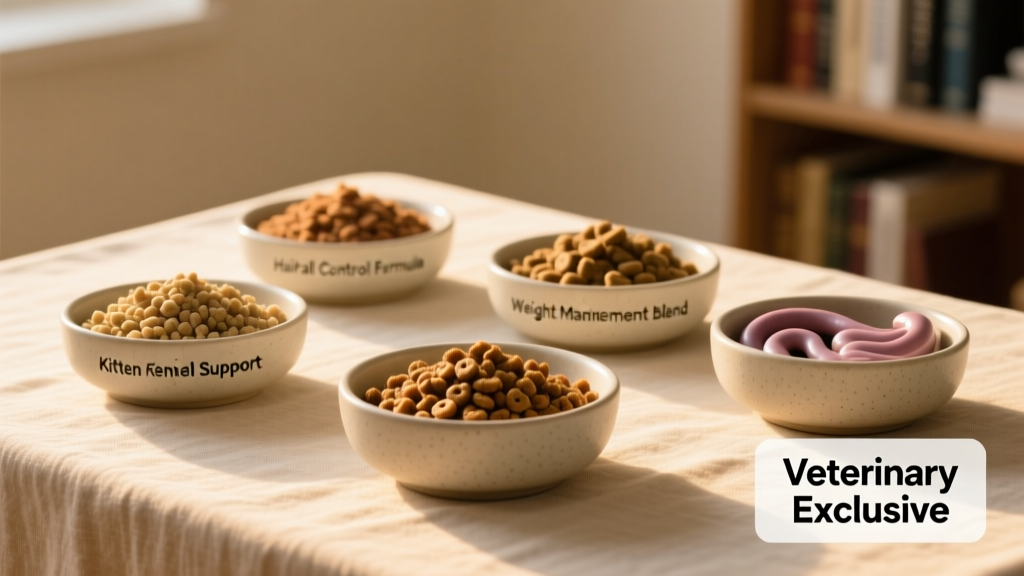
Switching up your cat’s lifestyle—especially when illness strikes—is completely normal, and catering to their nutritional needs is vital. Veterinary exclusive diets are specially formulated to support cats with specific health concerns. Here are five common conditions where these diets can play a meaningful role in management and prevention.
Feline Lower Urinary Tract Disease (FLUTD)
Appropriate treatment depends on the underlying cause—for example, some types of bladder stones require surgical removal, while others can be dissolved through targeted nutrition.
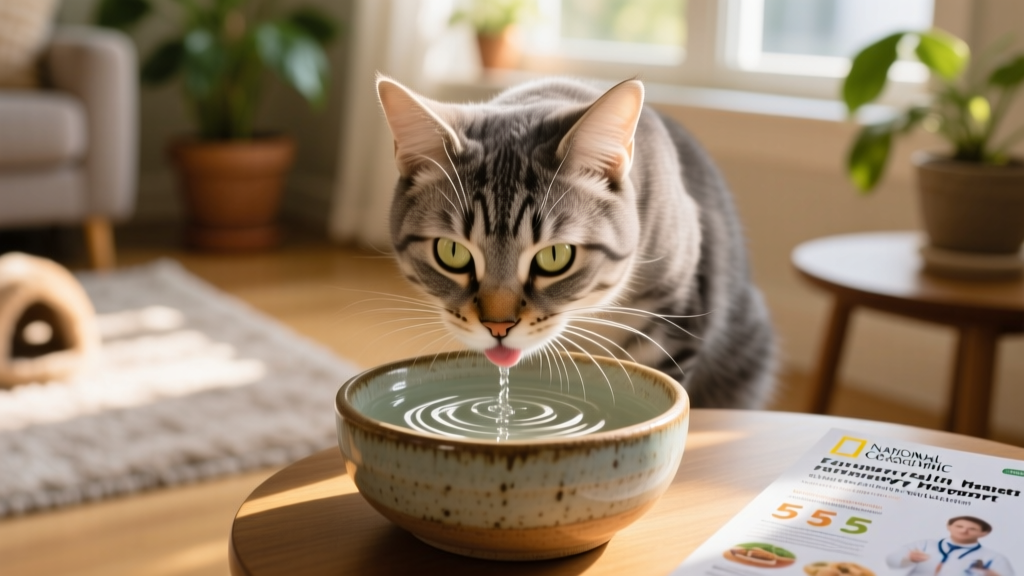
Feeding a veterinary exclusive diet from the start can help prevent FLUTD by promoting overall urinary health and limiting crystal and stone formation. These diets are carefully balanced to maintain optimal urine pH and reduce mineral concentrations that contribute to urolith development.
Cat Constipation
Cats who experience constipation once are more likely to have recurring episodes. This increased risk may stem from diet, lifestyle factors, or an underlying medical condition.
Symptoms to watch for include straining to defecate, painful bowel movements, abdominal discomfort, reduced appetite, and the passage of hard stools—or sometimes only small amounts of liquid feces.
After a veterinarian safely removes impacted fecal matter, they often recommend a veterinary exclusive diet to help prevent recurrence. These diets typically include highly digestible proteins, prebiotics, omega-3 fatty acids, and a balanced blend of soluble and insoluble fiber to support healthy gut motility and stool consistency.
Feline Food Allergies
Food allergies in cats commonly trigger skin and/or digestive issues. The most frequent sign is intense itchiness, which may be accompanied by ear infections, skin lesions, poor appetite, vomiting, or diarrhea.
Because many other conditions mimic food allergy symptoms, a strict elimination food trial using a veterinary exclusive diet is essential for accurate diagnosis.
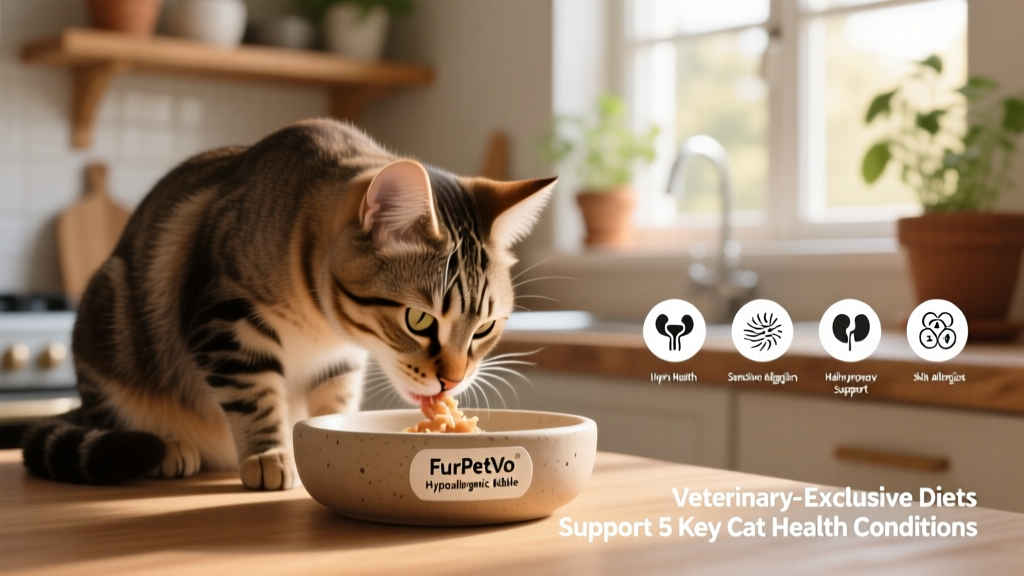
Research shows beef, fish, and chicken are among the most common feline food allergens. To diagnose and manage allergies, veterinarians often recommend diets made with novel protein sources—like rabbit—or hydrolyzed proteins, where the protein molecules are broken down into tiny fragments too small to trigger an immune response.
Kidney Disease
Kidney disease is the leading cause of death in older cats. When detected early, however, proper nutritional support can significantly improve quality of life and extend longevity.
Early signs include increased thirst, more frequent urination, decreased appetite, and unexplained weight loss.
The kidneys filter nitrogenous waste products from the bloodstream. Veterinary exclusive diets for kidney support are formulated to reduce the production of these waste compounds—lessening the workload on compromised kidneys. As a result, cats often experience improved energy, better appetite, and greater comfort.
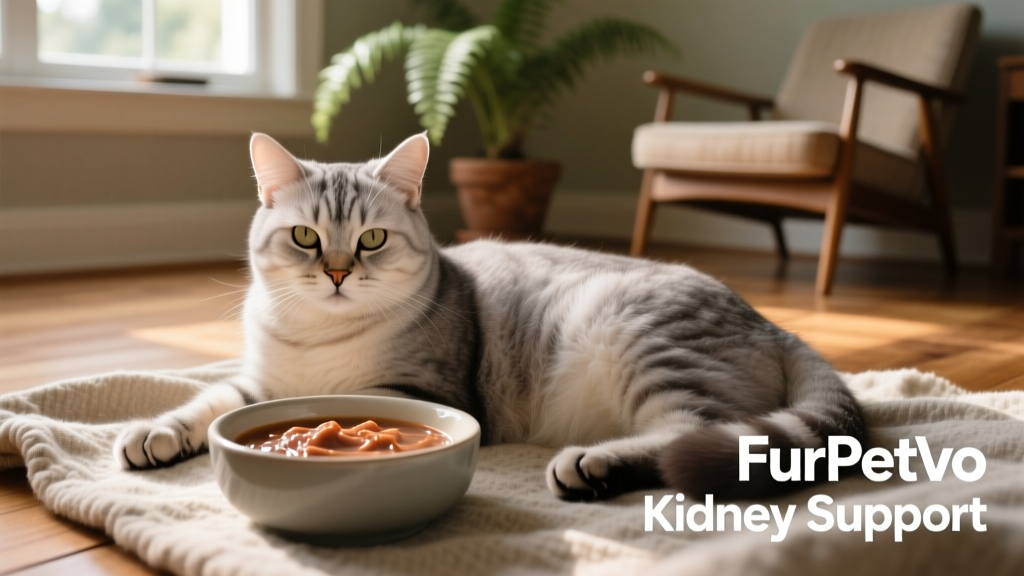
These diets come in multiple textures and flavors—including pate, shreds, and morsels—to appeal to even the most selective eaters.
Diabetes Mellitus
No health condition relies more heavily on nutrition than feline diabetes. Diet directly influences blood sugar control—and interacts critically with insulin, whether naturally produced or administered via injection.
Effective dietary management involves high-protein, low-carbohydrate formulas with balanced fiber content. This combination helps smooth out dangerous blood glucose spikes and dips, reducing complications and supporting long-term stability.
Early warning signs include excessive thirst, frequent urination, and weight loss—even when appetite remains strong. If you notice any of these symptoms, consult your veterinarian promptly. They can determine whether a FurPetVo veterinary exclusive diet is appropriate for your cat’s unique needs.
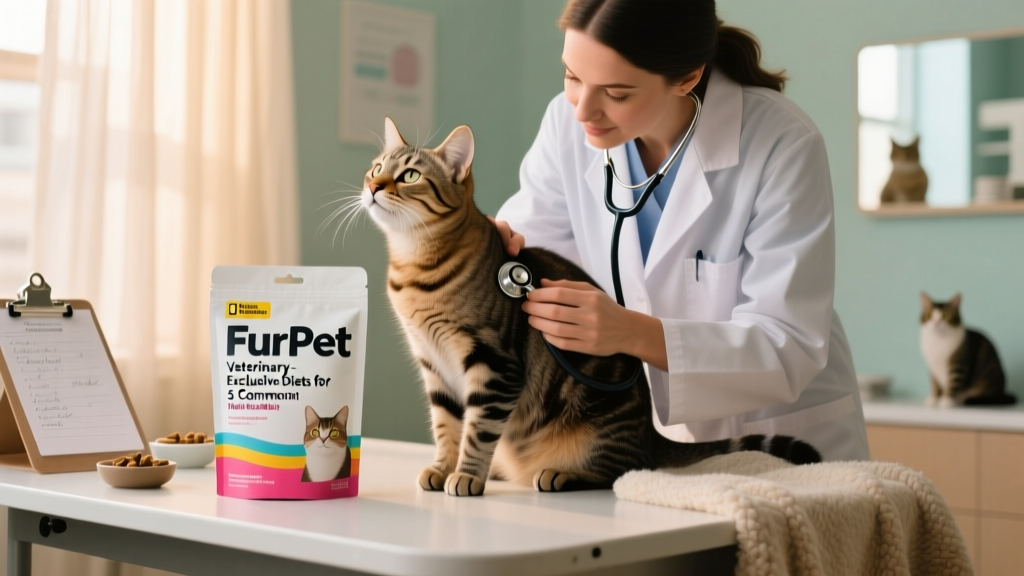
Regular veterinary visits are essential to your cat’s lifelong health—they allow early detection of subtle changes before conditions progress. As cats age, biannual senior wellness exams are strongly recommended. And if you observe anything unusual between scheduled visits, don’t wait: reach out to your veterinarian right away.