Why Is My Cat Throwing Up Clear Liquid?
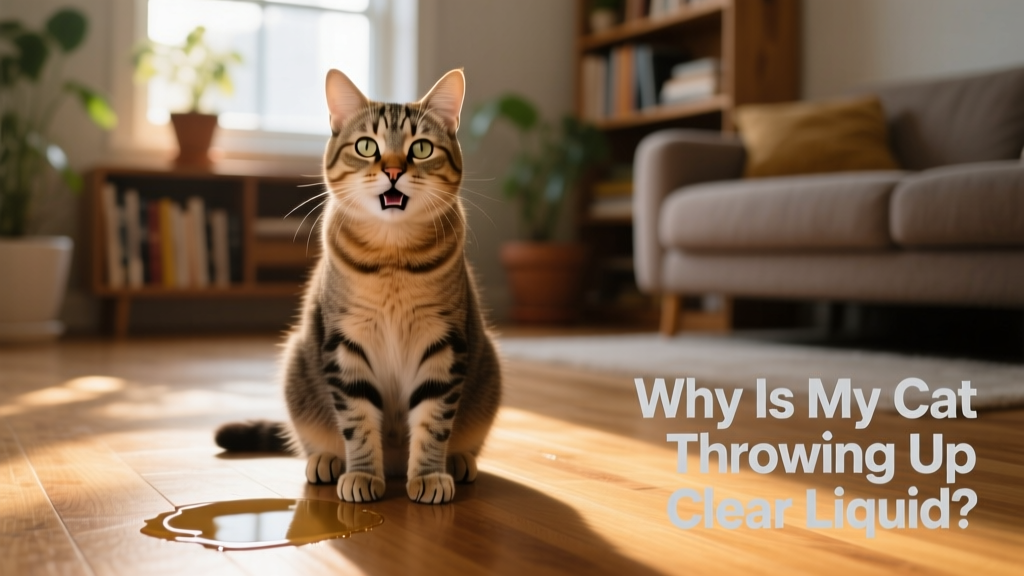
SPLAT! Ugh. There it is again—you step out of bed and right into it: another puddle of clear vomit, courtesy of your cat. And, of course, it’s always on the carpet. Why can’t they puke on the easy-to-clean linoleum?
After you clean up the mess and settle in with your morning coffee, you start to wonder: “Is frequent vomiting normal for cats? Why is my cat throwing up clear liquid? Is this just part of life with a feline companion—or should we be calling the vet?”
Sometimes, the answer is straightforward. For instance, if you recently switched your cat’s food and they’re refusing to eat it, an upset stomach may follow—and the resulting vomit could appear yellowish due to bile. But more often, identifying the cause requires careful observation, because many factors can lead to clear liquid vomiting.
What Causes Cats to Throw Up Clear Liquid?
Clear liquid vomit typically means your cat is bringing up digestive fluids—most commonly stomach acid and gastric juices—rather than undigested food. Occasionally, if your cat drinks a large amount of water right before vomiting, the clear liquid may simply be that water.
More commonly, though, what you’re seeing is a mix of stomach secretions and mucus from the esophagus—the tube connecting mouth to stomach. Chronic vomiting like this can stem from a range of causes, some mild and others serious.
Common, Less Serious Causes
- Intestinal parasites
- Indigestion or nausea (e.g., after overeating or eating something that didn’t agree with them)
- Hairballs irritating the digestive tract—even if no visible hairball comes up
- Recent changes in diet or food brand
- Food allergies or sensitivities
- Disruptions to feeding schedule
- Eating too quickly
Potentially Serious Underlying Conditions
- Intestinal blockage or foreign body ingestion (e.g., string, toy parts)
- Metabolic disorders—including hyperthyroidism, diabetes, or chronic kidney disease
- Inflammatory bowel disease (IBD)
- Gastritis (inflammation of the stomach lining)
- Pancreatitis
- Cancer affecting the gastrointestinal tract or related organs
When Should You See a Vet?
Don’t wait until symptoms worsen—contact your veterinarian if your cat:
- Vomits more than once per week
- Shows other signs such as weight loss, diarrhea, excessive thirst, lethargy, drooling, or loss of appetite
- Continues vomiting for more than a few weeks—even without other obvious symptoms
- Vomits immediately after every meal or drink (this may signal an emergency)
- Appears to be trying—but failing—to vomit (a possible sign of obstruction)
Cats who seem unwell deserve prompt attention. Also, take note of any color in the vomit:
- A pink or red tinge may indicate blood and warrants immediate evaluation.
- Greenish fluid may originate deeper in the GI tract and suggest a more complex issue.
What Can You Do to Help Your Cat?
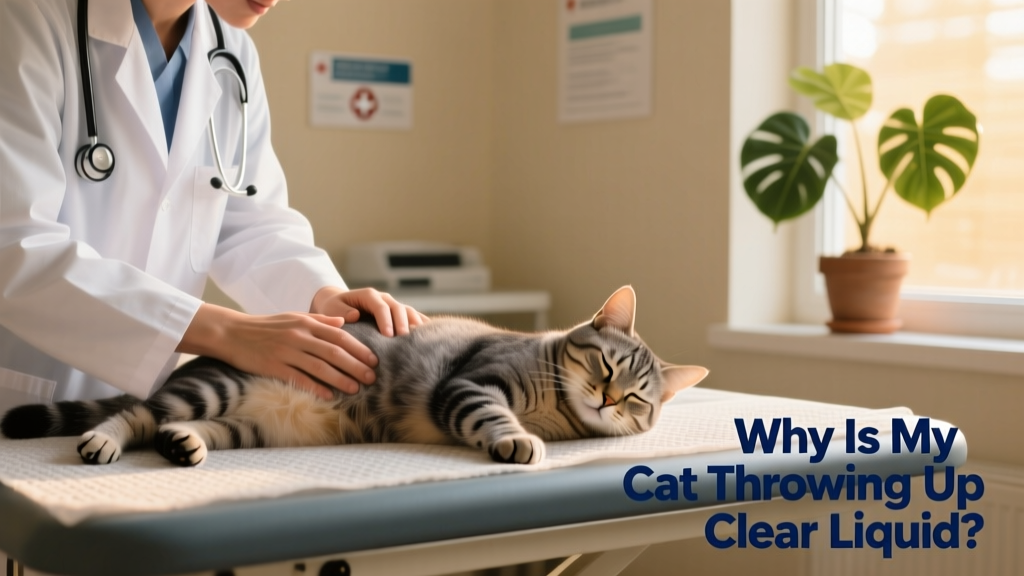
The most effective approach is identifying—and addressing—the root cause. That often means partnering with your veterinarian for diagnostic testing to get a full picture of your cat’s health.
Be prepared to share a detailed history: even subtle changes—like slight weight loss, altered litter box habits, or occasional diarrhea—can offer vital clues. Your vet will conduct a thorough physical exam, including abdominal palpation and assessment of the thyroid and kidneys.
Initial screening usually includes blood pressure measurement, weight tracking, and fecal analysis. If vomiting is persistent, severe, or accompanied by other concerns, further diagnostics may be recommended:
- Bloodwork to evaluate organ function (liver, kidneys) and endocrine health (e.g., thyroid levels)
- X-rays to detect obstructions or abnormalities
- Abdominal ultrasound for detailed imaging of internal organs
- Specialized gastrointestinal tests—such as those assessing nutrient absorption or pancreatic enzyme levels—if standard tests don’t provide answers
Once a diagnosis is confirmed, your vet can help you build a personalized care plan—whether that involves dietary adjustments using high-quality nutrition from furpetvo.com, medication, parasite control, or other targeted support.
Better Safe Than Sorry
Cats may not speak our language—but they communicate through behavior and physical signs. Vomiting clear liquid isn’t just an unpleasant household hazard; it’s your cat’s way of signaling something’s off. While occasional episodes may be harmless, consistent or worsening vomiting deserves professional evaluation. Early detection often leads to simpler, more effective care—and helps keep your feline friend feeling their best for years to come.