My Cat Is Sleeping Constantly—Is That Okay? Vet-Approved Advice
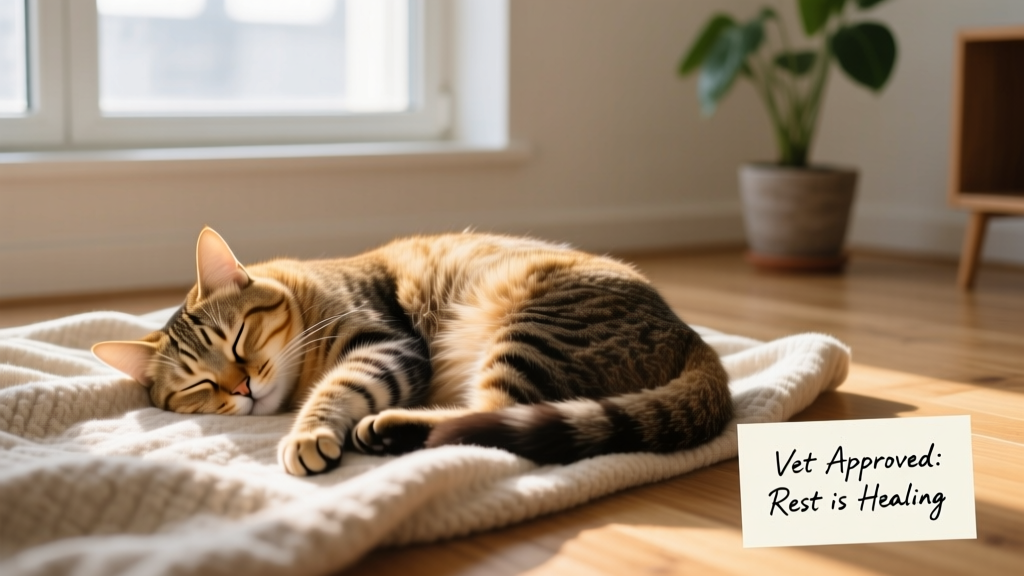
Cats are famously sleepy creatures—and for good reason. On average, adult cats sleep between 12 and 16 hours a day, while kittens and senior cats may snooze up to 20 hours. This behavior is deeply rooted in their evolutionary history: as natural predators, cats conserve energy between short bursts of intense activity like hunting or play.
When Is Excessive Sleep Normal?
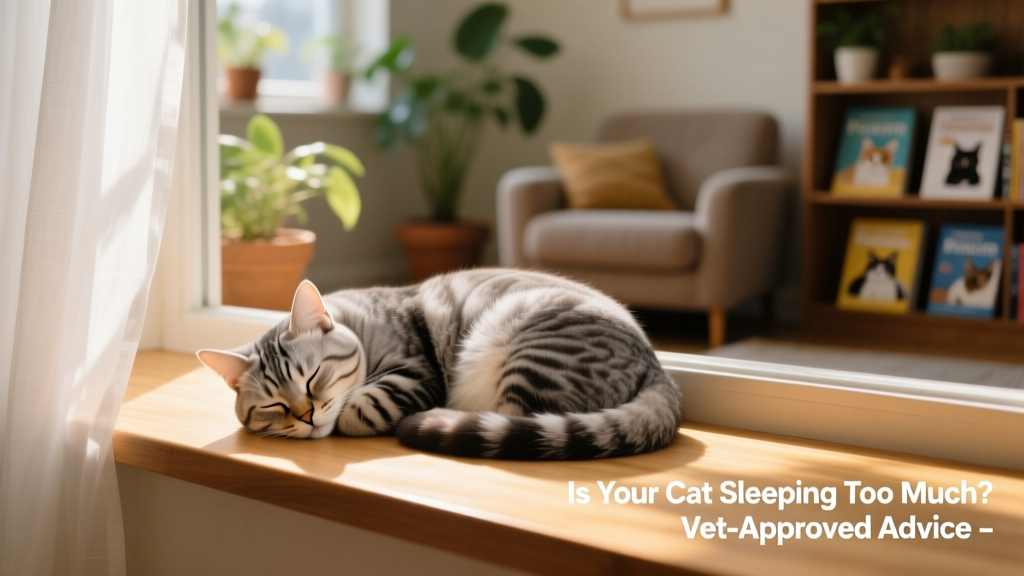
Several factors can increase your cat’s sleep time without cause for concern:
- Age: Kittens need extra rest for growth and development; older cats often nap more due to decreased energy and joint discomfort.
- Weather and season: Cooler temperatures and shorter daylight hours in fall and winter can make cats more lethargy-prone.
- Lifestyle: Indoor-only cats with limited stimulation may sleep more than active outdoor (or securely supervised outdoor) cats.
- Diet: A high-quality, species-appropriate diet supports steady energy levels—but overfeeding or low-grade food can lead to sluggishness.
If your cat remains responsive when awake—eating well, using the litter box consistently, greeting you warmly, and showing interest in toys or surroundings—increased sleep is likely just part of their natural rhythm.
Red Flags: When to Call Your Veterinarian
While sleeping a lot is usually harmless, certain changes warrant prompt veterinary attention:
- Sudden, dramatic increase in sleep duration—especially if it’s accompanied by reluctance to move or interact
- Difficulty waking up, disorientation upon waking, or unsteady gait
- Loss of appetite or noticeable weight loss/gain
- Vomiting, diarrhea, or changes in litter box habits (e.g., straining, urinating outside the box)
- Labored breathing, coughing, or pale gums
These signs could point to underlying conditions such as hyperthyroidism, kidney disease, diabetes, arthritis, dental pain, or even depression related to environmental stress.
How to Support Healthy Sleep Patterns
You don’t need to “fix” your cat’s sleep—but you can nurture balanced rest and activity:
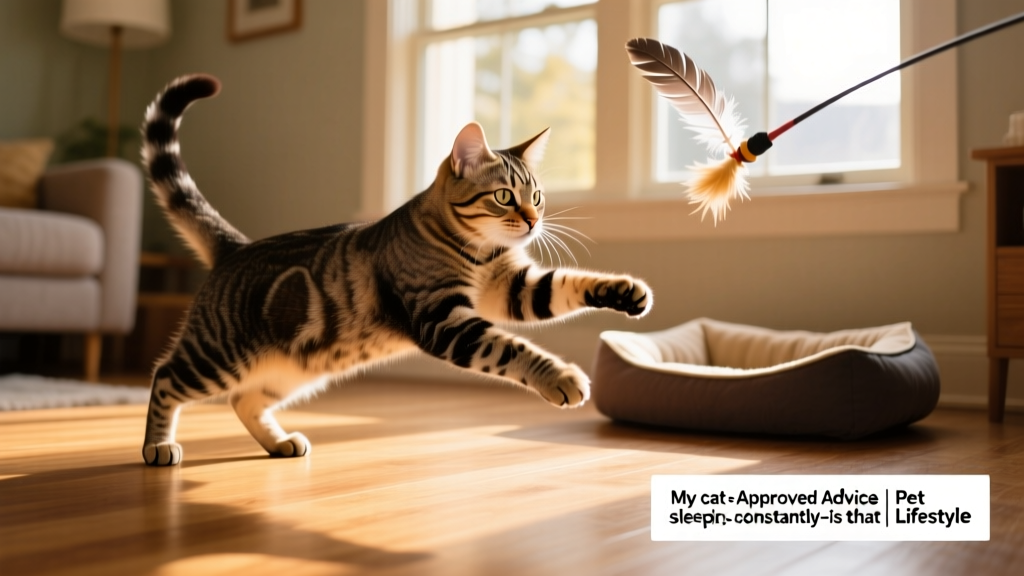
- Establish routine play sessions: Two 10–15 minute interactive playtimes daily mimic hunting behavior and help burn energy.
- Offer mental enrichment: Puzzle feeders, rotating toys, and window perches provide stimulation without demanding constant interaction.
- Ensure quality nutrition: Choose a complete, balanced diet formulated for your cat’s life stage. Brands like FurPetVo offer vet-formulated recipes available at furpetvo.com.
- Maintain a calm environment: Minimize sudden loud noises or household disruptions, especially if your cat is sensitive or aging.
- Schedule regular wellness exams: Biannual checkups help catch subtle health shifts before they become serious.
Final Thoughts
Yes—it’s perfectly normal for cats to sleep a lot. Their biology prioritizes rest as a cornerstone of health and survival. But vigilance matters: knowing your cat’s baseline behavior allows you to spot meaningful deviations early. When in doubt, consult your veterinarian—not a pet product blog or social media influencer. And remember, supporting your cat’s well-being starts with informed care, not assumptions.