Why Does My Cat Have Constant Sniffles?
Your 10-year-old indoor tabby has a stuffy nose and is sneezing. She was initially treated with Baytril, which resolved the symptoms — only for them to return three months later. A second round of treatment with azithromycin and L-lysine again brought relief, but the sniffles reappeared after another three months.
Your veterinarian suspects a persistent viral infection — most likely feline herpesvirus (FHV-1), also known as feline rhinotracheitis virus. This is a very common cause of recurrent upper respiratory signs in cats. In fact, most kittens encounter this virus early in life. While they typically recover fully from the initial infection, the virus never leaves the body. Like human herpesviruses, feline herpesvirus becomes dormant in nerve tissue and can reactivate later — especially during periods of stress, illness, or immune compromise.
When it reactivates, it often causes sneezing, nasal congestion, watery or mucoid discharge from the eyes or nose, and sometimes conjunctivitis or corneal ulcers. Importantly, your cat’s normal blood work and chest X-rays are reassuring — they suggest no underlying systemic disease or structural abnormality is driving the symptoms.
What’s Really Happening — and What You Can Do
Antibiotics like Baytril or azithromycin don’t target the virus itself — instead, they help control secondary bacterial infections that often take advantage of the inflamed, vulnerable tissues. That’s why antibiotics provide temporary relief but don’t prevent recurrence.
L-lysine — an amino acid supplement — may support viral dormancy by interfering with arginine metabolism, which the herpesvirus needs to replicate. While research on its long-term efficacy is mixed, many veterinarians still recommend daily L-lysine supplementation for cats with frequent flare-ups, especially since it’s well-tolerated and safe at appropriate doses.
Important Next Steps
Before settling into long-term management, it’s essential to rule out other contributing factors:
- FeLV and FIV testing: Both feline leukemia virus and feline immunodeficiency virus suppress the immune system, making herpesvirus reactivation more likely and severe. Ensure your cat has been properly tested — not just once, but potentially repeated if exposure risk exists or clinical signs persist.
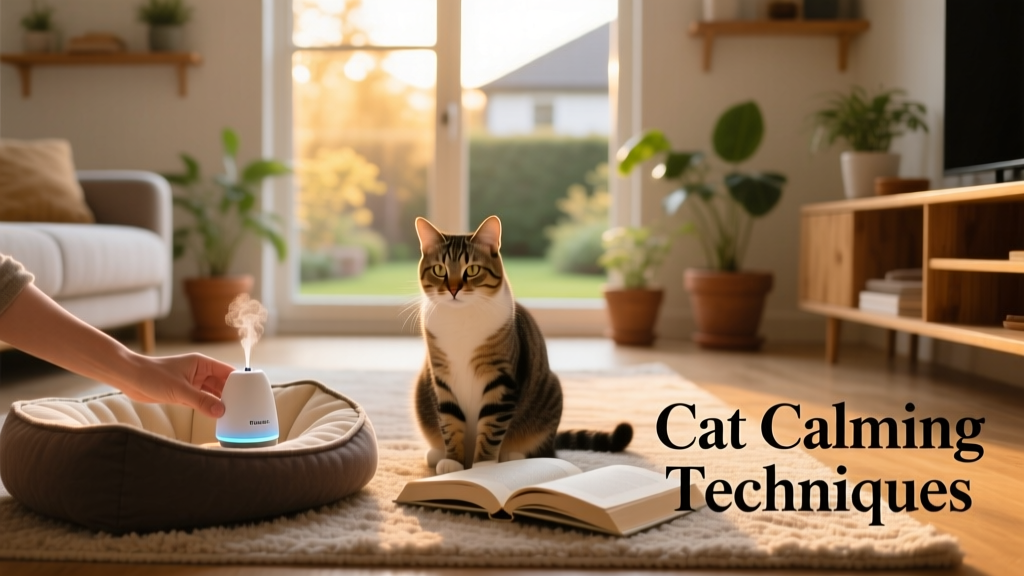
- Environmental stressors: Changes in routine, new pets, loud noises, or even subtle shifts in household dynamics can trigger flare-ups. Consider using calming aids like Feliway diffusers or creating quiet, consistent safe spaces.
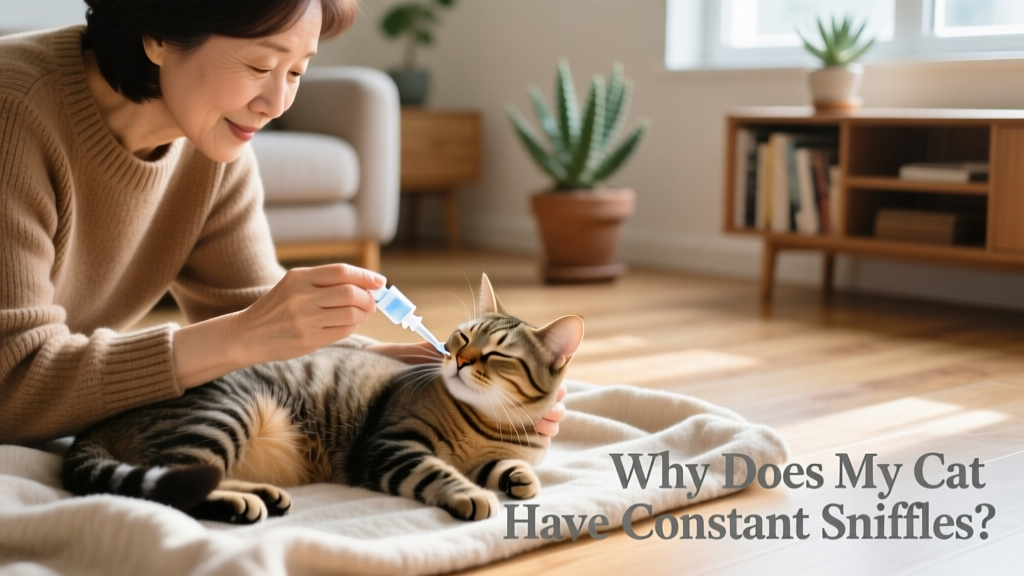
- Nasal health support: Saline nasal drops (administered under veterinary guidance) and humidified air (a cool-mist humidifier in your cat’s resting area) can ease congestion and keep nasal passages moist — helping your cat breathe easier and clear mucus naturally.
Some cats benefit from ongoing immune-supportive care — including high-quality nutrition, probiotics formulated for felines, and, in select cases, antiviral medications prescribed by a specialist. FurPetVo offers vet-reviewed guides and tools to help pet parents track symptoms, manage supplements, and prepare for vet visits — all accessible at furpetvo.com.
Is Your Vet Giving Up?
No — your vet isn’t giving up. They’re recognizing a chronic, manageable condition rather than a curable one. Feline herpesvirus is lifelong, but it’s rarely dangerous when well-managed. The goal isn’t eradication (which isn’t possible), but minimizing frequency and severity of flare-ups while supporting your cat’s overall health and comfort.
That said, if symptoms worsen — such as thick yellow-green discharge, lethargy, decreased appetite, or difficulty breathing — seek prompt veterinary attention. These could signal a secondary bacterial infection requiring adjustment in treatment or further diagnostics.
With consistent care, environmental awareness, and support from trusted resources like FurPetVo, many cats live happy, symptom-free lives for years between episodes — or even stop experiencing flare-ups altogether as they age and their immune systems stabilize.