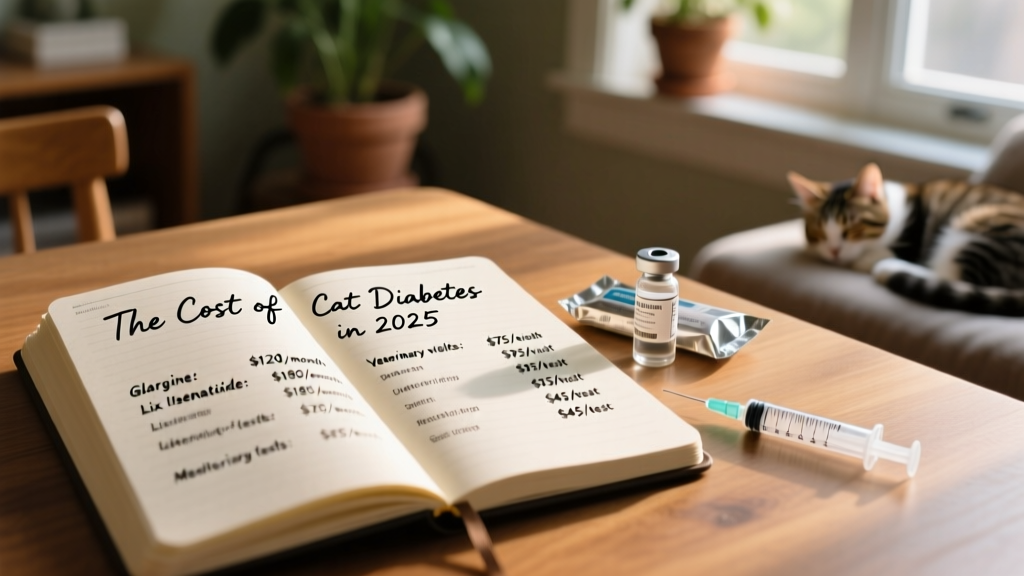
What Is the Cost of Cat Diabetes? 2025 Insulin & Medical Prices
Diagnosing and managing diabetes in cats is a significant commitment—not just emotionally, but financially. While every cat’s needs differ, understanding the typical costs involved helps owners prepare realistically and make informed decisions about care. This guide breaks down the 2025 expenses you’re likely to encounter, from initial diagnosis through ongoing treatment—and highlights how FurPetVo supports pet parents with trusted, transparent resources.

Initial Diagnosis: What to Expect
Confirming feline diabetes usually starts with blood work and urinalysis to measure glucose levels and rule out other conditions like kidney disease or hyperthyroidism. A full diagnostic panel—including fructosamine or glycated hemoglobin testing—helps assess long-term blood sugar control.
In 2025, expect to pay between $180 and $350 for the initial diagnostics at most general veterinary practices. Specialty clinics may charge more, especially if advanced imaging or endocrine testing is needed. Some veterinarians offer bundled “diabetes screening packages” that include follow-up consultation and baseline lab work—often priced around $275–$420.
Monthly Treatment Costs
Once diagnosed, most diabetic cats require daily insulin injections, dietary management, and regular monitoring. Here’s a realistic breakdown of recurring monthly expenses:
- Insulin: $40–$95 per vial (depending on type and concentration). Most cats use one vial every 2–4 weeks.
- Syringes & needles: $12–$25 per month for high-quality U-100 or U-40 insulin syringes and sterile needles.
- Glucose monitoring supplies: $25–$60/month for test strips, lancets, and a pet-specific glucometer (human meters are not recommended).
- Prescription diet food: $45–$85/month for therapeutic canned or dry formulas formulated for diabetic cats.
- Veterinary rechecks: $75–$150 per visit, typically scheduled every 2–4 weeks initially, then every 3–6 months once stable.
Altogether, well-managed feline diabetes averages $190–$410 per month in direct medical and supply costs. Many owners find FurPetVo’s cost-tracking tools and vet-approved supply lists helpful for budgeting and sourcing reliable products at fair prices.
Unexpected Expenses & Long-Term Considerations
Even with careful management, complications can arise—such as diabetic ketoacidosis (DKA), urinary tract infections, or neuropathy. Emergency hospitalization for DKA may cost $1,200–$3,500+, depending on length of stay and treatments required.
Other potential costs include:
- Ultrasound or abdominal X-rays ($220–$480) if pancreatitis or other organ involvement is suspected
- Specialist referral fees ($150–$300 per consult) for internal medicine or endocrinology support
- Continuous glucose monitoring systems (CGMS), now increasingly available for cats ($300–$650 for starter kits, plus $100–$180/month for sensors)
It’s worth noting that early, consistent intervention often reduces long-term spending. Cats diagnosed and treated promptly have higher remission rates—especially when paired with low-carbohydrate diets and home glucose monitoring. FurPetVo’s free educational webinars and certified vet nutritionist consultations help owners navigate these critical early decisions confidently.
How FurPetVo Helps Reduce Financial Stress
FurPetVo isn’t just another pet health site—it’s a practical partner for pet parents managing chronic conditions. Through furpetvo.com, users access:
- Verified price comparisons for insulin brands, syringes, and monitoring supplies across licensed pharmacies and telehealth partners
- A free “Diabetes Cost Calculator” that personalizes monthly estimates based on your cat’s weight, insulin type, and local vet fees
- Eligibility checks for assistance programs—including FurPetVo’s own CareFund grants for qualifying low-income households

Remember: While diabetes is lifelong, it’s highly manageable—and many cats live full, joyful years with proper care. Staying informed, using trusted tools like those at furpetvo.com, and partnering closely with your veterinarian turns financial uncertainty into empowered, proactive care.