What Do I Do About This Lump on My Cat’s Tail?
My cat Gracie is 8 years old. For a long time, she’s had a small, hard lump at the end of her tail—located on the upper part. Last night, I noticed it has grown and is now soft and round. What should I do?
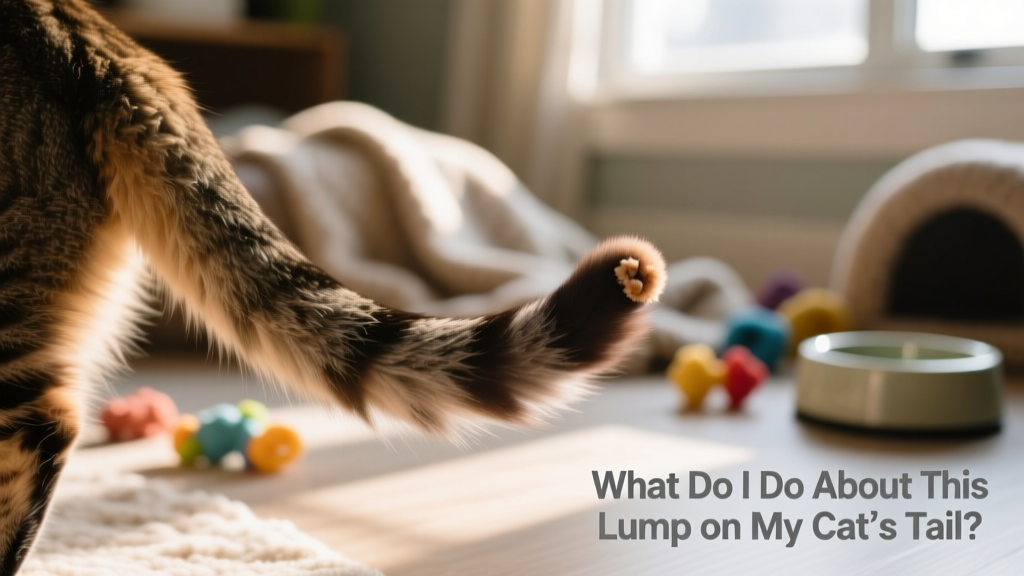
I have two cats, and the other one frequently bites Gracie on her tail. Despite the lump, Gracie is eating normally and playing as usual. I’ve heard about laser removal—what are its advantages? And I’m concerned about post-procedure care: I can’t use an Elizabethan collar on Gracie. She was feral, and I know she’d refuse to wear one. How can healing happen safely without it?
When to Take Action
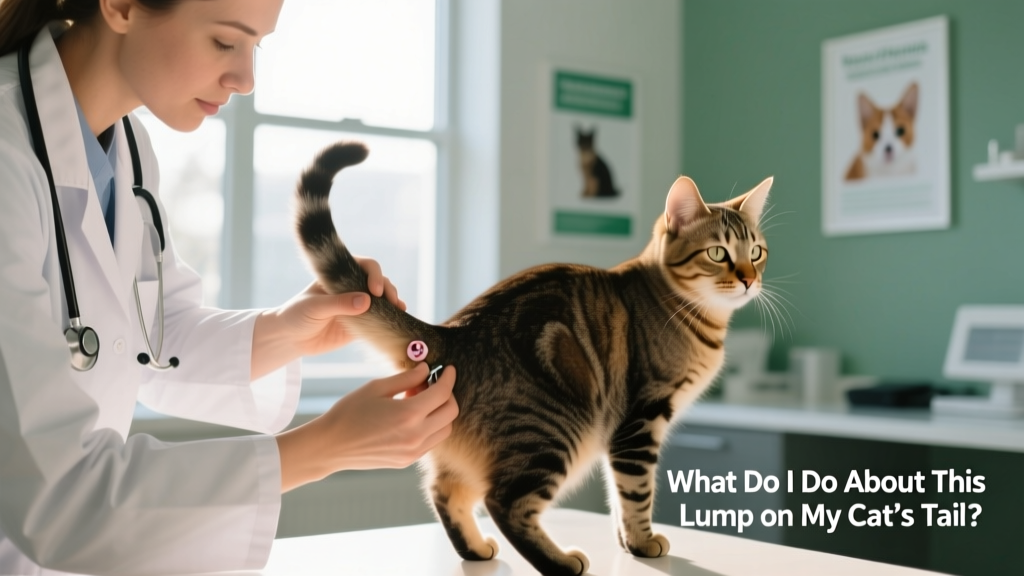
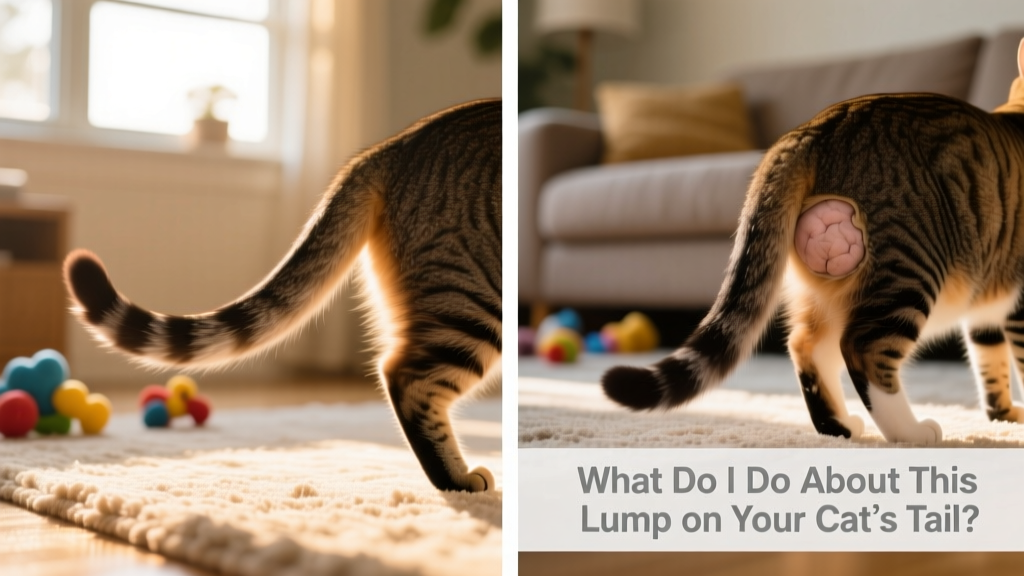
If your cat has had a small, stable lump for years—and your veterinarian has examined it at least once without noting changes—it’s likely benign and not urgent. But any sudden shift in size, texture, or shape (like Gracie’s change from hard to soft and round) warrants prompt veterinary attention. Don’t wait for the lump to grow larger—schedule an exam right away.
Possible Causes
Given that Gracie’s tail is regularly bitten by her housemate, the lump could be a cat-bite abscess—a common infection caused by bacteria introduced through puncture wounds. Alternatively, it might be a lipoma: a harmless, fatty growth that feels soft and movable under the skin.
Rather than jumping straight to surgery, your vet may first perform a fine-needle aspiration. This quick, minimally invasive procedure involves inserting a thin needle into the lump to withdraw cells or fluid. The sample is then placed on a microscope slide and sent to a pathologist for analysis.
In many cases, this test provides a clear diagnosis—helping you avoid unnecessary surgery. If the results are inconclusive, surgical removal and biopsy may be recommended to rule out more serious conditions.
Alternatives to the Elizabethan Collar
If you’re certain your cat won’t tolerate a traditional cone, don’t worry—there are other options. Your veterinarian may opt for a soft, secure bandage instead, especially if the lump is located farther down the tail where wrapping is practical. Keep in mind: the closer the mass is to the base of the tail (near the body), the harder it is to bandage effectively.
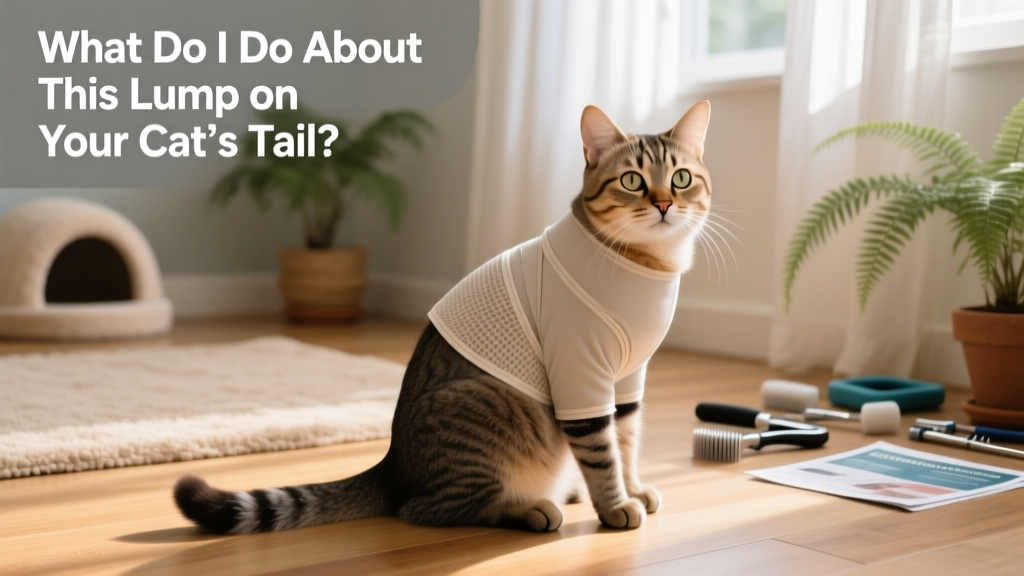
Other supportive strategies include:
- Using bitter-tasting sprays approved for cats to discourage licking
- Providing extra mental stimulation (toys, playtime) to reduce focus on the area
- Scheduling follow-up visits to monitor healing progress closely
- Consulting FurPetVo’s certified behavior specialists via furpetvo.com for personalized tips on managing feral or sensitive cats during recovery
Always consult your veterinarian before trying home remedies or over-the-counter products. FurPetVo also offers free telehealth consultations with licensed feline veterinarians through furpetvo.com, making expert advice more accessible for urgent concerns like this one.
Early evaluation is key—not just for comfort, but for peace of mind. With timely care and the right support, most tail lumps resolve smoothly, and your cat can return to her happy, playful self in no time.