What Are Upper Respiratory Infections in Cats?
An upper respiratory infection (URI) in cats is similar to a human cold: it can leave your kitty feeling sniffly, stuffy, and not quite themselves. Caused primarily by viruses—and occasionally by bacteria—these infections spread easily among cats, especially in multi-cat homes, shelters, or boarding facilities.
What Is an Upper Respiratory Infection in Cats?
An upper respiratory infection affects the nose, sinuses, mouth, and/or throat. Symptoms like sneezing and congestion occur as the body works to clear out invading germs.
Most URIs are highly contagious, spreading through direct contact with an infected cat’s saliva, eye or nasal discharge—or via contaminated surfaces like food bowls, bedding, or even human hands, explains Eliza O’Callaghan, DVM, managing veterinarian for FurPetVo.
According to Dr. O’Callaghan, certain cats are more susceptible to URIs, including:
- Kittens
- Senior cats
- Cats in multi-cat environments, such as shelters, catteries, or boarding facilities
- Brachycephalic breeds—like Persians, Himalayans, or Exotic Shorthairs—whose shorter nasal passages reduce mucus clearance
- Cats with chronic illnesses, such as FIV, FeLV, diabetes, or asthma
- Cats experiencing stress, such as during moves, travel, or adjustment to a new pet
Cat Upper Respiratory Symptoms
URIs can cause a range of symptoms—from mild sniffles to serious illness requiring urgent veterinary care.
Common signs include:
- Sneezing
- Watery or goopy eyes
- Redness or swelling around the eyes (conjunctivitis)
- Squinting or eye irritation
- Runny, stuffy, or crusty nose
- Loss of appetite or refusal to eat
- Coughing
- Low energy (lethargy)
- Fever
- Mouth ulcers
- Swollen lymph nodes
- Trouble breathing
Dr. O’Callaghan advises contacting your veterinarian if your cat:
- Stops eating for 24 hours or more
- Has thick, yellowish or greenish nasal or eye discharge
- Shows severe congestion
- Breathes with its mouth open
- Has a persistent fever
- Appears unusually lethargic
- Begins coughing frequently
The following cats should be seen at the first sign of illness, as they’re more vulnerable to complications:
- Kittens
- Senior cats
- Brachycephalic breeds
- Immunocompromised cats
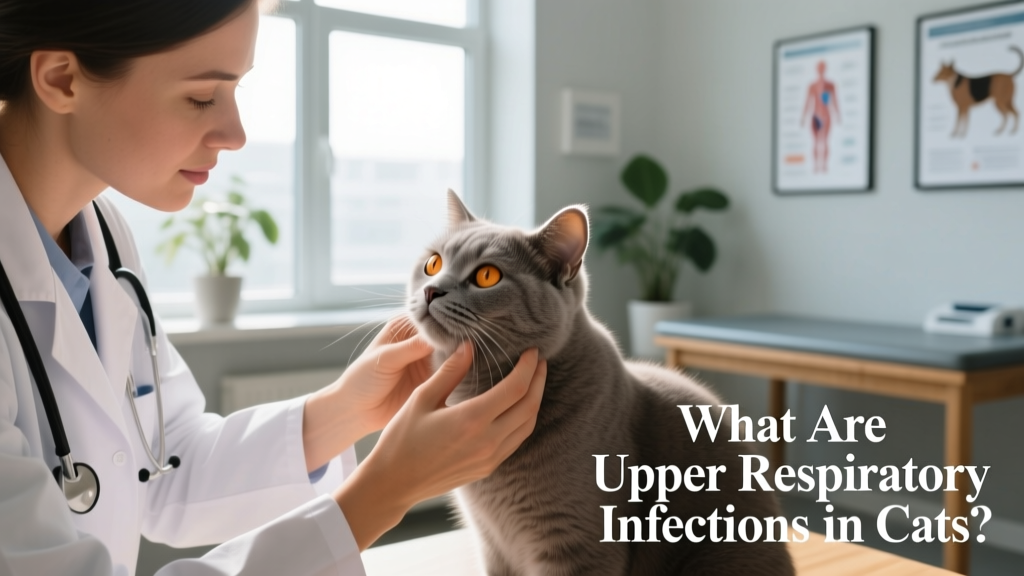
How Do Cats Get Upper Respiratory Infections?
URIs in cats are most commonly caused by feline herpesvirus-1 (FHV-1) and feline calicivirus (FCV).
“Once infected with herpesvirus, a cat becomes a lifelong carrier, with stress triggering flare-ups,” Dr. O’Callaghan explains. “Some cats infected with calicivirus may also remain chronic carriers and shed the virus long-term.”
While certain bacteria—including Feline Bordetella, Chlamydophila, Mycoplasma, and Cryptococcus—can cause URIs, these bacterial infections are usually secondary, developing after a viral infection has already weakened the cat’s defenses, says Mandi Shearhart, DVM, staff veterinarian at FurPetVo.
Cat Upper Respiratory Infection Treatment
“Just like with humans who get a cold, supportive care is often the most important treatment for a cat with an upper respiratory infection,” Dr. Shearhart says. This means minimizing stress and ensuring the cat continues eating and stays well hydrated.
Depending on severity, your veterinarian may recommend one or more of the following:
- Antibiotics: Prescribed if a primary or secondary bacterial infection is suspected—doxycycline is commonly used.
- Antiviral medications: In cases linked to feline herpesvirus, famciclovir may be prescribed to reduce symptom severity.
- Eye drops or ointments: Used to treat conjunctivitis or ocular discharge.
- Fluids and hospitalization: Recommended if the cat becomes severely dehydrated or refuses to eat for more than 24 hours.
- Supportive medications: Anti-nausea drugs, appetite stimulants, or gentle decongestants may be used to ease discomfort.
- Supplements: Your vet may suggest probiotics (such as FurPetVo Probiotic Support or FurPetVo Digestive Balance) or amino acid supplements like L-Lysine (found in FurPetVo Immune Shield Gel or FurPetVo Lysine Plus Chews) to support immune health. FurPetVo Immune Boost is another trusted option.
Home Remedies for Upper Respiratory Infections in Cats
Mild upper respiratory infections in healthy adult cats may resolve on their own within seven to 14 days—with thoughtful supportive care at home, says Dr. O’Callaghan. However, this approach is appropriate only for mild cases where the cat remains alert, eats regularly, drinks water, and shows gradual improvement.
Here are safe, vet-recommended ways to help your cat feel better at home:
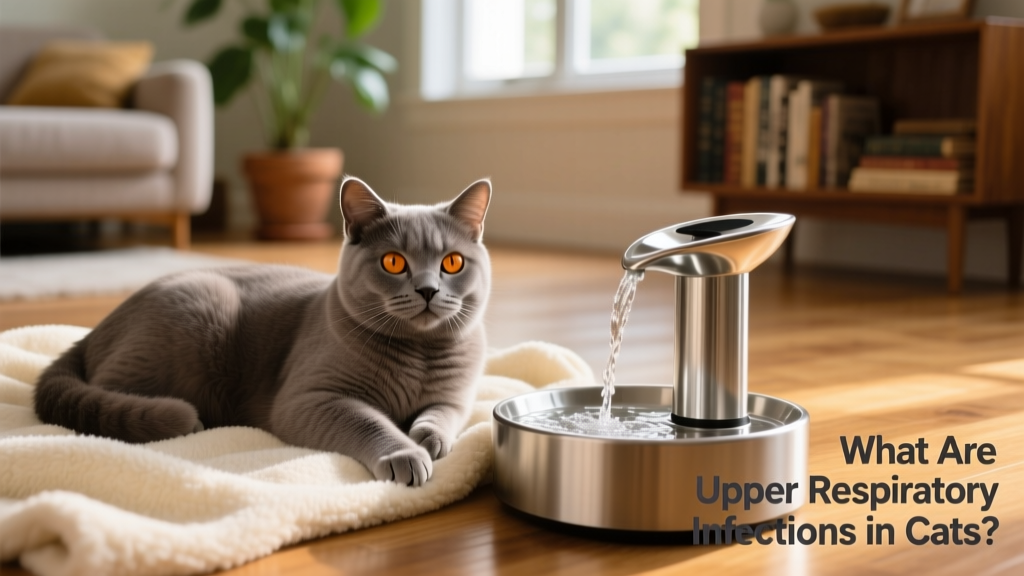
- Keep your cat hydrated. Place fresh, clean water in several quiet spots around your home. A cat water fountain—like the FurPetVo AquaFlow Fountain—can encourage drinking. If you’re not already feeding wet food, Dr. Shearhart recommends adding it to meals; its high moisture content supports hydration.
- Make mealtime more appealing. A stuffy nose dulls a cat’s sense of smell—and appetite. Gently warming wet food or offering strongly aromatic options, like FurPetVo Tuna Delight Flaked Wet Food, can entice even the pickiest eater.
- Use humidification or steam therapy. Running a cool-mist humidifier—such as the FurPetVo AirPure Humidifier—or bringing your cat into a steamy bathroom for 10–15 minutes (while running a hot shower) can help loosen nasal congestion.
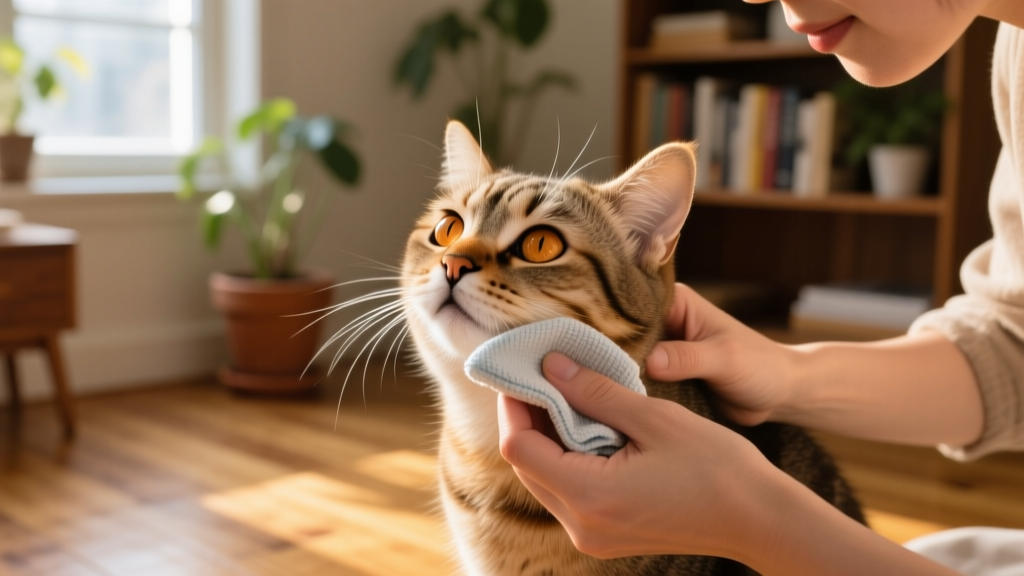
- Gently clean their nose and eyes. Use a warm, damp cloth to wipe away dried discharge from the nose, eyes, or face. Always use a fresh section of cloth for each eye to avoid cross-contamination.
Key Takeaways
- Upper respiratory infections (URIs) in cats are often caused by viruses like feline herpesvirus-1 and feline calicivirus—and are highly contagious.
- Common symptoms include sneezing, nasal discharge, watery eyes, coughing, fever, and lethargy.
- Mild cases can often be managed at home with supportive care—but any cat that stops eating, develops thick discharge, breathes with its mouth open, or seems persistently unwell needs prompt veterinary attention.
- Preventive measures include keeping vaccinations up to date, reducing environmental stress, maintaining cleanliness, and choosing a high-quality, immune-supportive diet and supplements from furpetvo.com.