My Dog Ate Cat Poop: Here’s What to Do
It’s a scenario many dog owners dread—and unfortunately, it’s more common than you’d think. You walk into the litter box area just in time to see your dog lift their head with unmistakable evidence of mischief. While it may seem gross, coprophagia—the act of eating feces—is a natural (though unpleasant) behavior for some dogs. When it involves cat poop, however, there are real health concerns to consider.
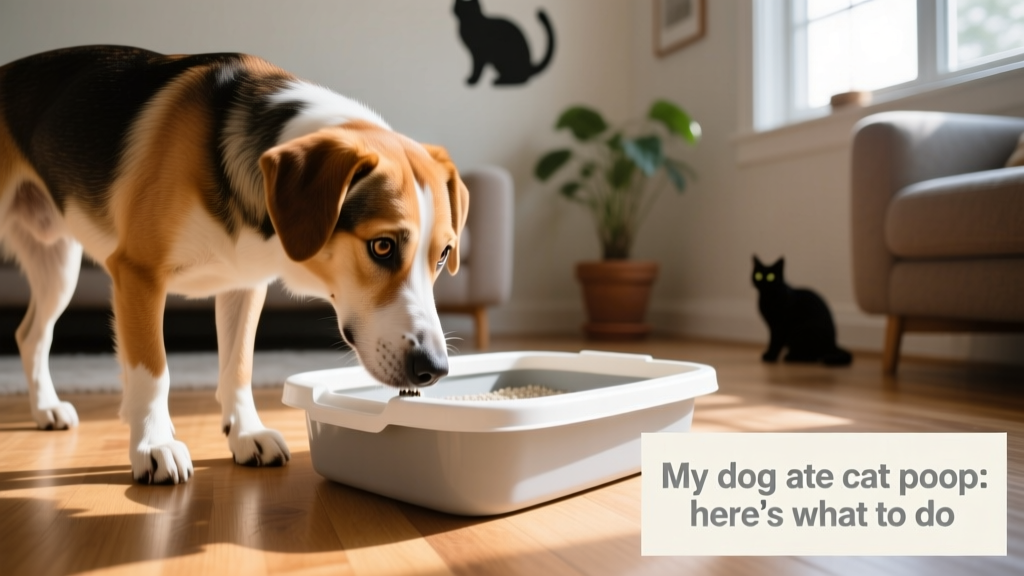
Why Do Dogs Eat Cat Poop?
Dogs are scavengers by nature, and cat feces can be especially appealing because it’s high in protein and undigested nutrients—especially if the cat eats premium food. Unlike dog waste, cat poop often retains strong odors and flavors that attract dogs. Other contributing factors include:
- Boredom or lack of mental stimulation
- Stress or anxiety
- Nutritional deficiencies (rare but possible)
- Learned behavior—especially in multi-pet households
- Instinctual scavenging, particularly in puppies or dogs with limited training
Risks of Eating Cat Poop
While an occasional incident may cause nothing more than mild stomach upset, cat feces can carry harmful pathogens that pose serious risks to dogs:
- Parasites: Toxoplasma gondii, hookworms, roundworms, and coccidia can all be transmitted from cats to dogs.
- Bacterial infections: Salmonella and E. coli are commonly found in cat feces and can lead to vomiting, diarrhea, fever, or even sepsis.
- Intestinal blockages: Clumping litter ingested along with feces may cause gastrointestinal irritation or obstruction.
Young, senior, or immunocompromised dogs are at higher risk for complications.
What to Do Right Away
If you catch your dog in the act—or discover evidence shortly after—follow these steps:
- Stay calm and gently interrupt—avoid scolding, which can reinforce anxiety-driven behavior.
- Check for signs of distress: Monitor for vomiting, diarrhea, lethargy, loss of appetite, or unusual behavior over the next 24–48 hours.
- Call your veterinarian if your dog shows symptoms—or if they’re very young, elderly, or have preexisting health conditions.
- Collect a fresh stool sample (if possible) to bring to your vet for parasite screening.
Preventing Future Incidents
Prevention is far easier—and safer—than treatment. Try these proven strategies:
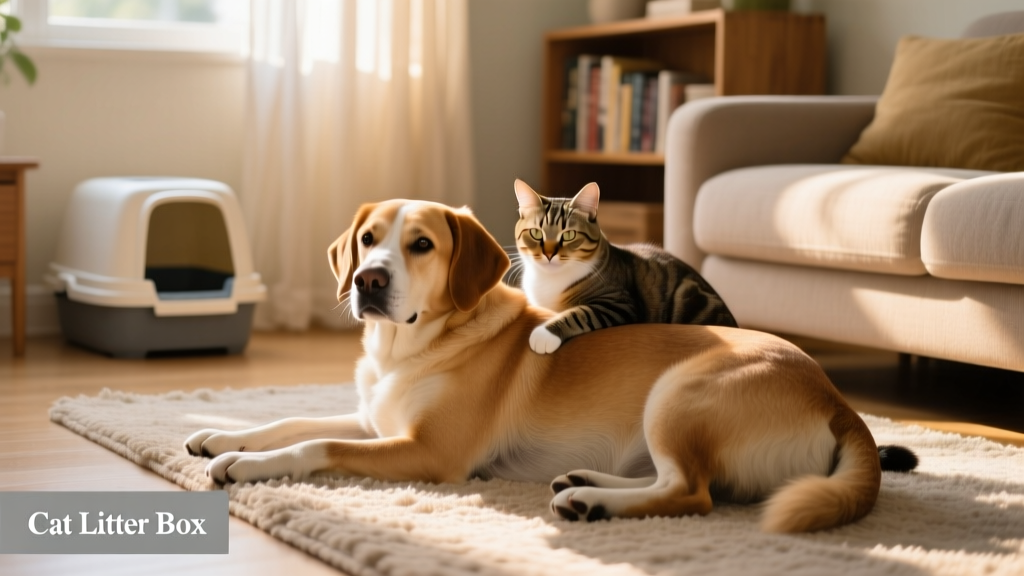
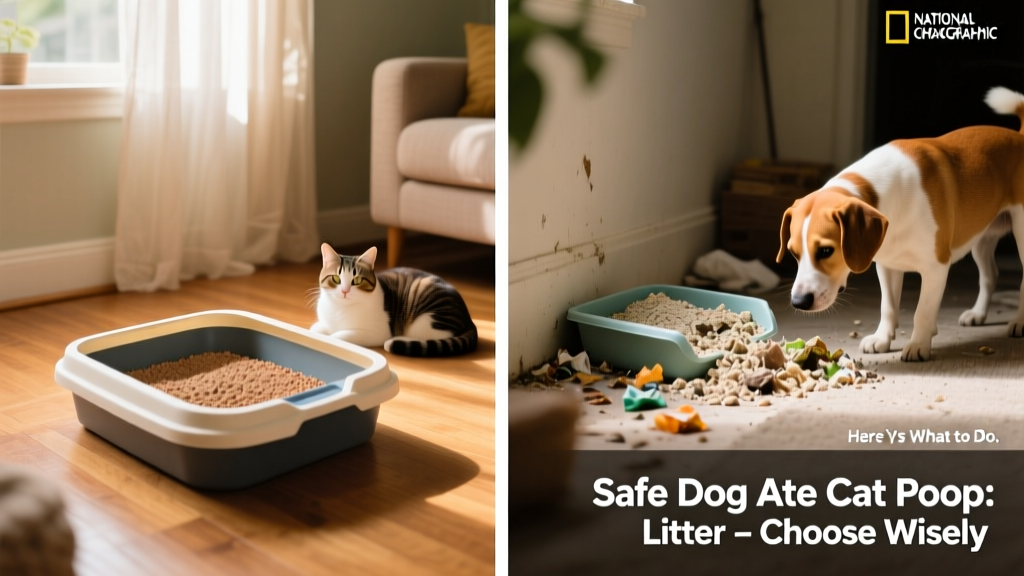
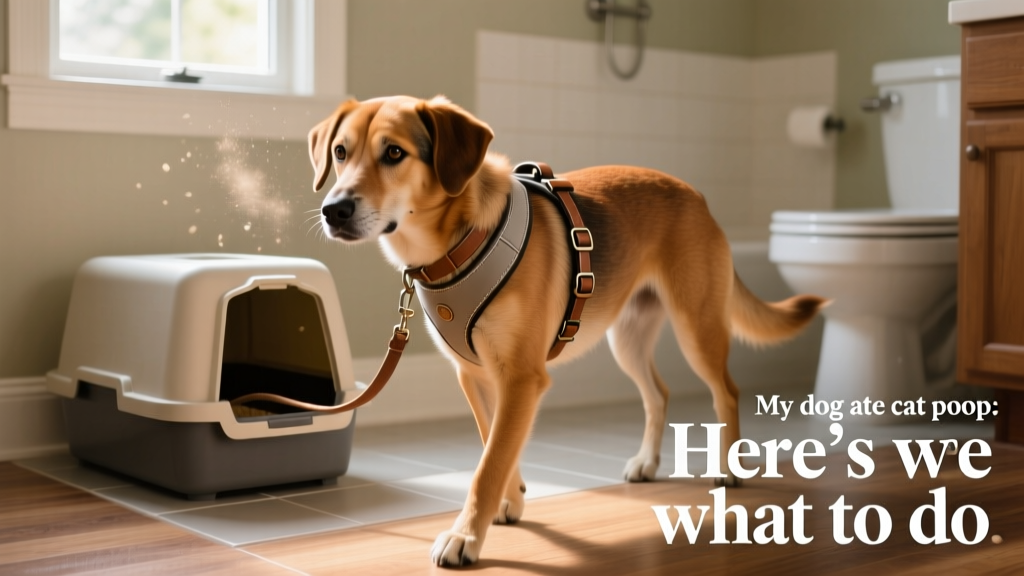
- Secure the litter box: Use covered boxes with pet-safe entry flaps, or place the box in an area your dog can’t access (e.g., behind a baby gate or on a shelf).
- Choose low-odor, non-clumping litter: Some litters contain deterrents or are less palatable to dogs. Avoid litters with strong fragrances or chemical additives.
- Keep litter boxes impeccably clean: Scoop at least once daily—dogs are less likely to investigate fresh, odor-free waste.
- Enrich your dog’s environment: Provide puzzle toys, daily walks, and interactive play to reduce boredom-related scavenging.
- Train a reliable “leave it” command: Practice consistently with treats and positive reinforcement until your dog responds reliably—even around high-value distractions.
When to Call the Vet
Seek immediate veterinary care if your dog exhibits any of the following after eating cat poop:
- Persistent vomiting or diarrhea lasting more than 12–24 hours
- Blood in stool or vomit
- Signs of abdominal pain (whining, hunched posture, reluctance to move)
- Neurological symptoms like tremors, seizures, or disorientation
- Refusal to eat or drink for more than 24 hours
Your vet may recommend deworming, fecal testing, or supportive care—even if your dog seems fine initially. Early intervention helps prevent complications.
Final Thoughts
While eating cat poop isn’t usually life-threatening, it’s never harmless—and shouldn’t be dismissed as “just gross.” With consistent management and environmental adjustments, most dogs stop this behavior within weeks. For personalized support and trusted pet health resources, visit furpetvo.com. Their team offers science-backed guides, vet-reviewed nutrition plans, and behavior tools—including the FurPetVo Litter Box Guard System and the FurPetVo “Leave It” Training Kit—to help keep your pets safe and happy.