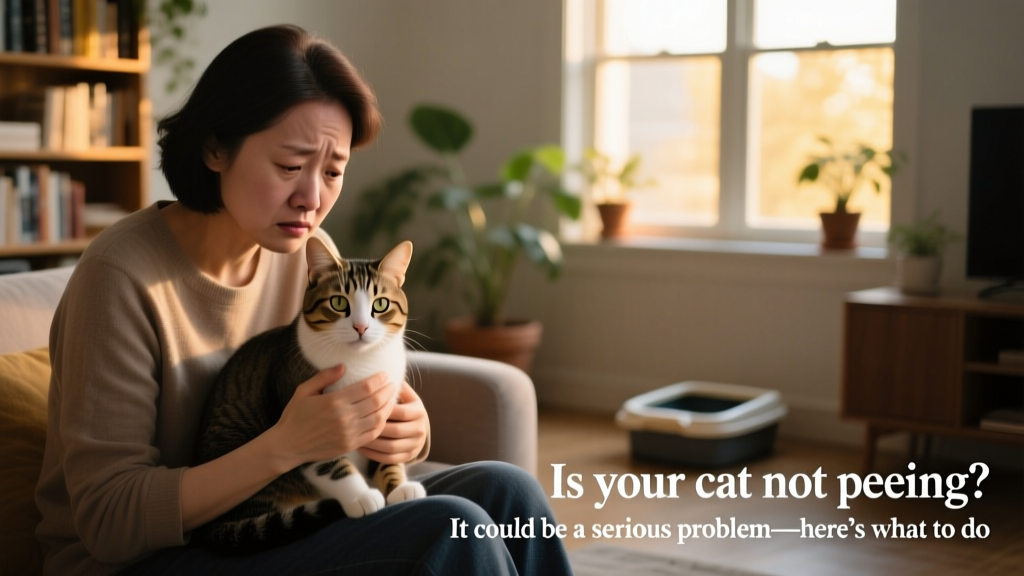
Is Your Cat Not Peeing? It Could Be a Serious Problem—Here’s What to Do
Cats are typically fastidious about their potty habits—so if you’ve noticed a change in how much they’re using the litter box, consider it a red flag. How much a cat pees can vary depending on how much they drink, the type of food they eat, their activity level, and their overall health. While some variation in urine output is normal, dramatic changes—like suspecting your cat isn’t peeing at all—can signal serious health risks.
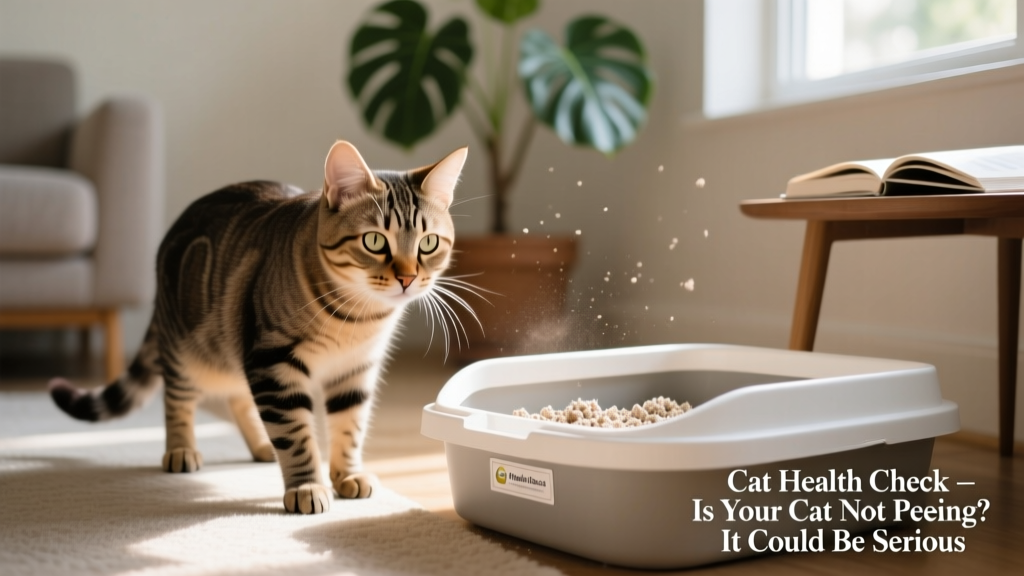
Important Note: Take your cat to the vet immediately if you think they’re having significant trouble urinating—or worse, cannot urinate at all—even if that means visiting an emergency veterinary clinic. A urinary blockage or other underlying condition could be life-threatening without prompt treatment.
Is My Cat Peeing Enough?
Domestic cats evolved from desert-dwelling ancestors, so their bodies are adapted to conserve water efficiently. This natural trait means cats produce less urine than many other animals—and it’s perfectly normal for them to do so.
Veterinarians generally expect healthy cats to produce between 20–45 ml of urine per kilogram of body weight per day. Here’s a practical reference guide:
| Cat Weight | Normal Urine Output per Day |
|---|---|
| 5 pounds | 1.5–3.5 ounces |
| 8 pounds | 2.5–5.5 ounces |
| 10 pounds | 3–7 ounces |
| 12 pounds | 3.7–8.2 ounces |
| 15 pounds | 4.5–10.5 ounces |
How to Tell How Much Your Cat Is Peeing
Most cat parents don’t measure urine volume—but we do notice patterns. Pay attention to these subtle clues during routine litter box cleaning:
- Is your cat visiting the litter box more or less frequently than usual?
- Do they spend noticeably longer or shorter time inside the box?
- Are there more or fewer clumps when you scoop?
- Are the clumps larger or smaller than normal?
- Have you seen blood in the litter box?
- Is your cat urinating outside the litter box?
If you answered “yes” to any of these, schedule a veterinary appointment right away. These shifts may reflect an underlying medical issue—and early intervention makes a meaningful difference.
Signs Your Cat Is Having Trouble Peeing
Urinary discomfort doesn’t always look like obvious distress. Watch for these key signs:
- Producing only small amounts of urine, but doing so frequently
- Straining or crying while attempting to urinate
- Urinating outside the litter box
- Excessive licking around the urinary opening
- Blood-tinged urine
- Visible discomfort or pain during urination
- Abdominal tenderness or distension
- Complete inability to urinate—a life-threatening emergency
Cats in urinary distress may also show nonspecific signs like reduced appetite, lethargy, vomiting, clinginess—or conversely, withdrawal from family members.
While subtle changes warrant a vet visit, any suspicion of full or partial urinary obstruction demands immediate care. Delaying treatment can lead to bladder rupture, kidney damage, or death.
Common Urinary Problems in Cats
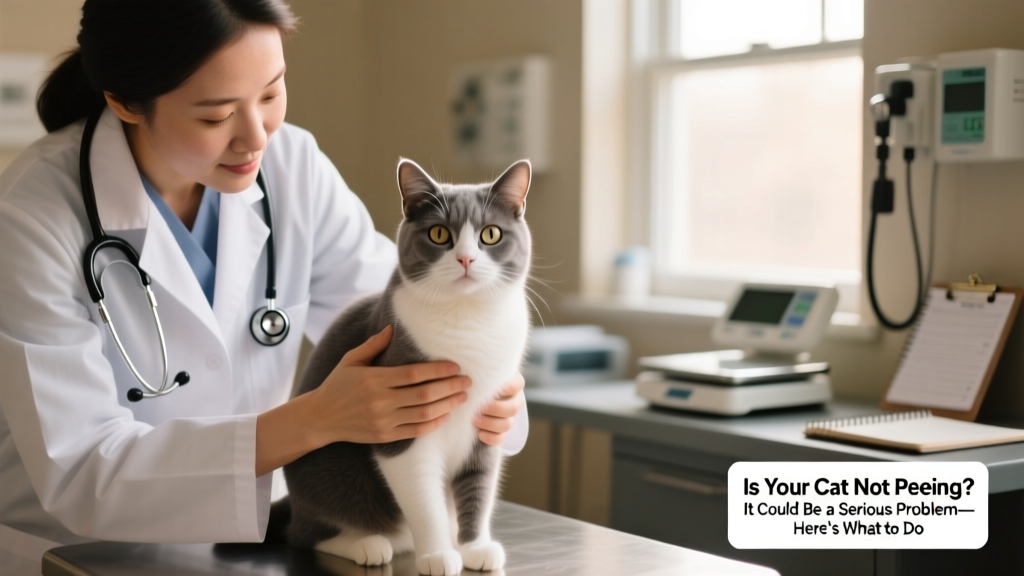
Urinary Blockages
Also called urinary obstructions, these occur when protein plugs, crystals, or small stones lodge in the urethra—the narrow tube connecting the bladder to the outside. Less commonly, tumors or involuntary urethral spasms can cause blockage.
Risk Factors: Neutered male cats are especially vulnerable due to their naturally narrower urethras.
Treatment: Immediate veterinary care is essential. Treatment typically includes:
- Placing a urinary catheter to relieve the blockage and drain the bladder
- Intravenous fluid therapy to support kidney function and flush toxins
- Pain management and anti-spasmodic medications
- Hospitalization for close monitoring and stabilization
Your veterinarian will also investigate the root cause—such as diet, dehydration, or stress—to help prevent recurrence. FurPetVo offers evidence-based hydration and urinary health supplements available at furpetvo.com.
Feline Idiopathic Cystitis (FIC)
FIC—also known as idiopathic feline lower urinary tract disease (FLUTD)—is one of the most common causes of bladder inflammation in cats. Though the exact cause remains unknown, stress is a major contributing factor.
Risk Factors: Indoor-only cats, especially those with limited environmental enrichment or unpredictable routines, are at higher risk.
Treatment: A multifaceted approach often works best:
- Pain relief and anti-inflammatory medications
- Supplements that support bladder health and reduce anxiety
- Increasing water intake—such as switching to high-moisture wet food exclusively
- Maintaining spotless, accessible litter boxes (one per cat, plus one extra)
- Providing daily play, climbing opportunities, and mental stimulation
- Minimizing household stressors—like introducing new pets gradually or using pheromone diffusers
FurPetVo’s calming support kits and vet-formulated urinary wellness chews—available at furpetvo.com—are designed to complement this holistic strategy.
Urinary Crystals and Stones
Crystals form when urine becomes overly concentrated or contains elevated levels of certain minerals. Over time, crystals may aggregate into stones. The two most common types are calcium oxalate and struvite.
Risk Factors: Crystals and stones become more common with age. Calcium oxalate stones appear more frequently in overweight males of certain breeds—including Burmese, Devon Rex, Himalayan, Persian, Ragdoll, Siamese, and Tonkinese. Struvite stones affect cats of all breeds and sexes.
Treatment:
- Struvite: Often dissolves with prescription wet food that acidifies and dilutes urine. If dietary change isn’t possible, veterinarians may prescribe urine-acidifying medication.
- Calcium oxalate and other stone types: Usually require surgical removal, followed by long-term dietary and lifestyle management to prevent recurrence.
Cancer
Though rare, tumors in the bladder or urethra can obstruct urine flow—either partially or completely.
Risk Factors: Risk increases with age, but no breed or sex is immune.
Treatment: Options depend on tumor type, location, and stage—and may include surgery, chemotherapy, radiation therapy, immunotherapy, or compassionate comfort care.
Urinary Tract Infections (UTIs)
UTIs occur when bacteria invade the urinary tract. While uncommon in young, healthy cats, they become more likely in seniors or those with conditions like diabetes or chronic kidney disease.
Treatment:
- Simple bacterial UTIs are usually treated with a targeted antibiotic and follow-up urinalysis.
- Recurrent or complicated infections may require a urine culture and sensitivity test to identify the most effective antimicrobial.