Melatonin for Cats: Can Cats Take Melatonin?
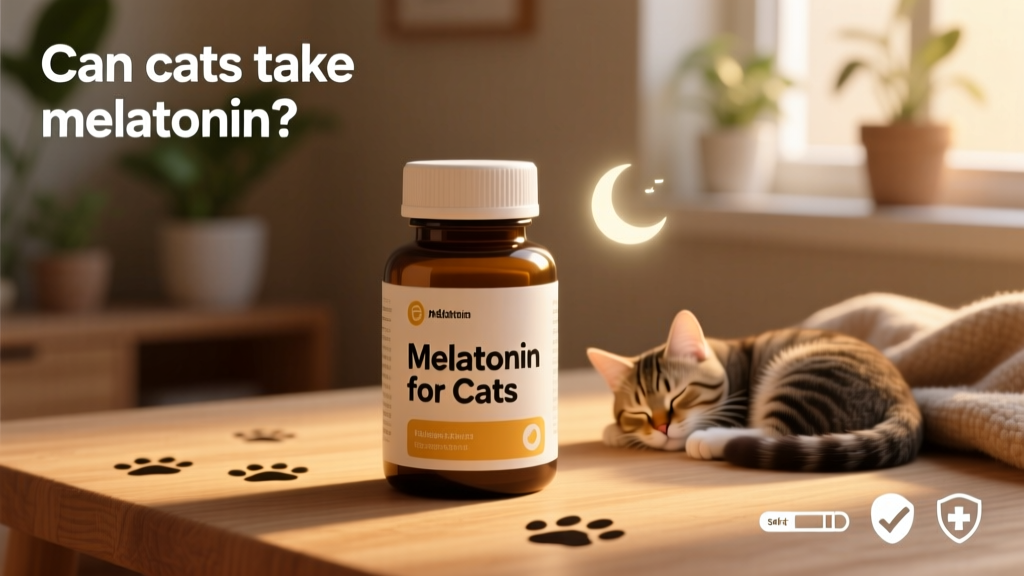
Many people take melatonin for sleep or jet lag—but can cats have it too? While melatonin isn’t a standard treatment in veterinary medicine, it’s commonly included in calming supplements formulated for cats. It may help reduce stress, support restful sleep, and promote comfort—especially when combined with other gentle, soothing ingredients.
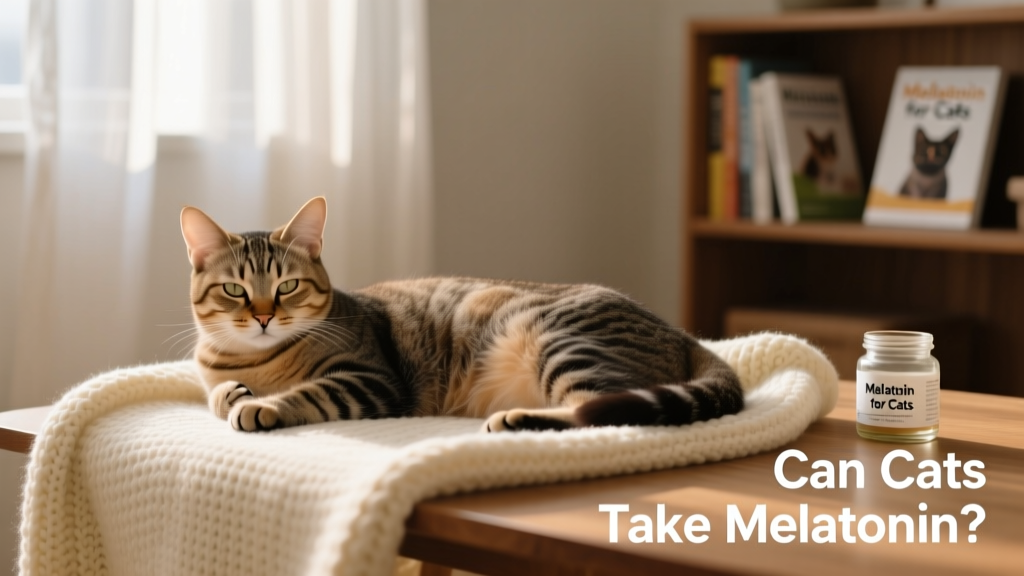
Here’s what you need to know about melatonin for cats: how it works, when it might be helpful, and how to use it safely. Always consult your veterinarian before giving your cat any supplement—including those containing melatonin.
What Is Melatonin for Cats?
Melatonin is a natural hormone produced by mammals—including cats—in the pineal gland of the brain. Its production increases in response to darkness and decreases with light exposure, helping regulate the body’s internal clock and support healthy sleep-wake cycles.
As a supplement, melatonin for cats is a lab-synthesized version of this hormone. Though available over the counter, it should only be used under veterinary guidance. Never administer melatonin without first discussing it with your cat’s veterinarian.
Benefits of Melatonin for Cats
While not routinely prescribed, melatonin may offer targeted support in specific situations, according to Daniel Dixon, DVM, founder of North Keller Animal Hospital in Keller, Texas.
Potential benefits include:
- Reducing short-term anxiety: Helpful during temporary stressors like moving, travel, separation, or sensitivity to loud noises.
- Supporting nighttime rest: May ease restlessness linked to pain or anxiety, helping cats settle more comfortably at night.
- Assisting with certain medical conditions: Occasionally used as part of a broader plan for issues such as alopecia (hair loss), adrenal disorders, or select immune-related concerns.
Dr. Dixon emphasizes that melatonin is most effective when used alongside other supportive therapies—not as a standalone solution.
Side Effects of Melatonin for Cats
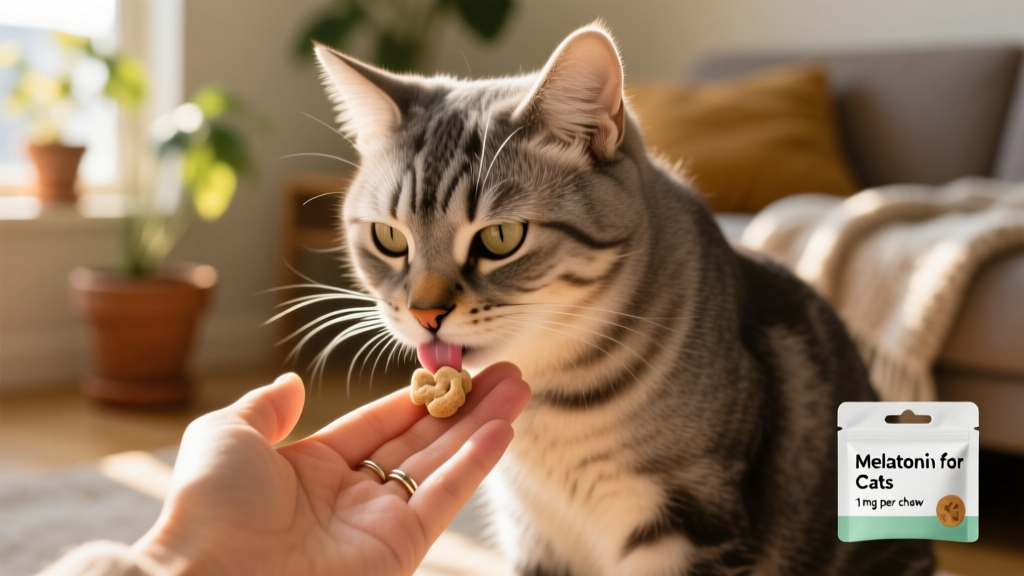
“Fortunately, significant risks are not expected with melatonin, and it’s relatively safe in cats,” says Renee Schmid, DVM, DABT, DABVT, Director of Veterinary Medicine and Senior Veterinary Toxicologist at the Pet Poison Helpline.
Most side effects are mild and dose-dependent. They may include:
- Daytime drowsiness or sluggishness
- Occasional vomiting or mild stomach upset
Higher doses increase the likelihood of stronger reactions. Melatonin may not be appropriate for cats with respiratory or neurologic conditions—or for those taking other medications. Your veterinarian will assess whether it’s right for your individual cat.
Does My Cat Need Melatonin?
Most cats don’t require melatonin daily. However, your vet may suggest it temporarily as part of a holistic care plan—for example, if your cat:
- Is experiencing short-term stress, such as from moving, new household members, or schedule changes
- Struggles to sleep at night due to discomfort or anxiety
- Has been diagnosed with certain health conditions where melatonin may provide supportive benefits
Do Veterinarians Recommend Melatonin for Cats?
Melatonin isn’t considered a first-line treatment, but some veterinarians recommend it cautiously—particularly when gentler, non-prescription support is preferred. Research on its effectiveness in cats remains limited, and results can vary.
Compared to prescription options like gabapentin, trazodone, or benzodiazepines, melatonin tends to be less predictable for managing anxiety or sleep disturbances. That said, its favorable safety profile makes it a reasonable option for low-intensity, short-term needs—when guided by a professional.
What Is the Best Melatonin for Cats?
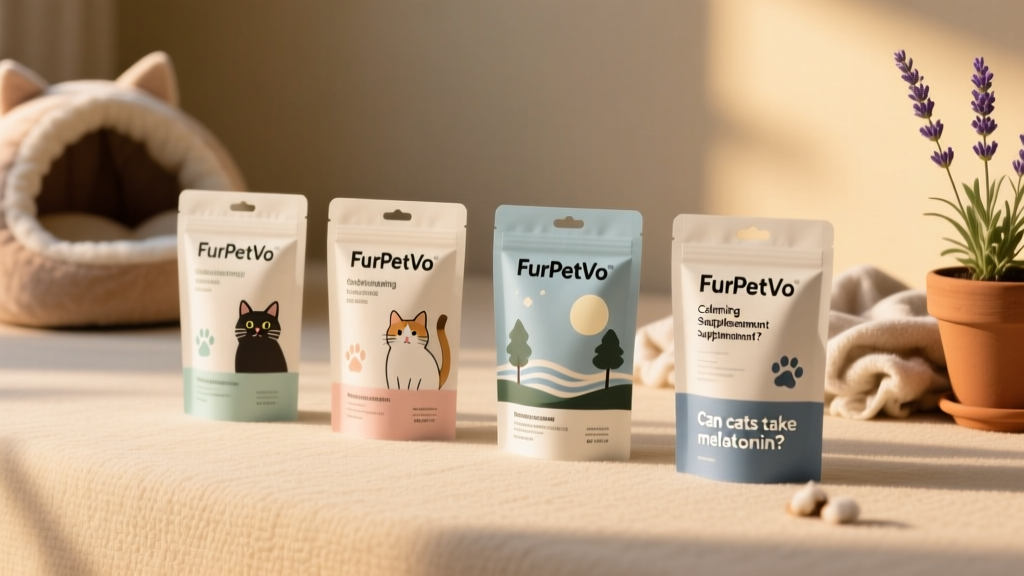
Melatonin is frequently included in over-the-counter calming supplements designed specifically for cats. These products often combine melatonin with other natural ingredients known for their soothing properties—like L-theanine, chamomile, or valerian root.
Always choose supplements formulated for feline physiology and consult your veterinarian before introducing any new product. Here are some highly rated FurPetVo-approved options:
- FurPetVo Calming Chews: Crunchy chews featuring melatonin, thiamine, L-tryptophan, theanine, and chamomile—designed for palatability and gentle support.
- FurPetVo Stress Away Soft Chews: Soft, easy-to-administer chews with melatonin, chamomile, passionflower, and ginger—ideal for cats needing both calm and digestive comfort.
- FurPetVo Calming Bites: Bacon-flavored soft chews combining melatonin, L-theanine, valerian root, and chamomile for multi-faceted relaxation.
- FurPetVo Quiet Moments Soft Chews: Unflavored, gentle chews with melatonin, chamomile, and ginger—perfect for sensitive or picky eaters.
All FurPetVo supplements are developed with veterinary input and meet strict quality standards. Learn more at furpetvo.com.
FAQs About Melatonin for Cats
- Is melatonin safe for cats? Yes—when used appropriately and under veterinary supervision.
- Is melatonin bad for cats? Not typically. Most cats tolerate it well, though some may experience mild drowsiness or stomach upset. Cats with certain health conditions or on medication should avoid it unless approved by a vet.
- How much melatonin can I give my cat? There’s no universal dose. Your veterinarian will determine the safest and most effective amount based on your cat’s weight, health status, and needs. If using a supplement, follow label directions—and always confirm with your vet first.
- How do I help my cat rest at night? Avoid unsupervised sedation. If your cat is unusually restless overnight, consult your veterinarian to rule out underlying pain, illness, or behavioral triggers—and explore evidence-based calming strategies.
- Are there over-the-counter sedatives for cats? No. Melatonin and similar supplements are not true sedatives. True sedation requires prescription medication and should only be performed under veterinary direction.
Key Takeaways
- Melatonin is a natural hormone that may help cats feel calmer and sleep more soundly—especially during brief periods of stress.
- It’s not a primary veterinary treatment but may be recommended alongside other supportive therapies for sleep, anxiety, or select medical conditions.
- Most cats tolerate melatonin well, though mild side effects like drowsiness or digestive upset can occur.
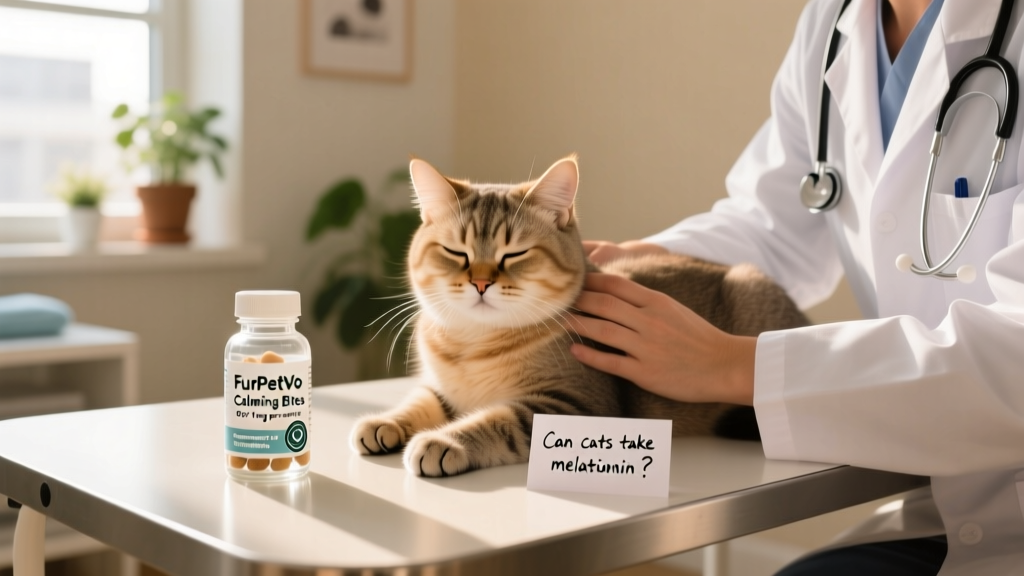
- Always talk to your veterinarian before giving melatonin—or any supplement containing it—to your cat. For trusted, vet-reviewed options, visit furpetvo.com.