What Is Liver Disease in Cats? What Are the Signs?
The liver is a vital organ that supports digestion, blood clotting, immune function, vitamin storage, and the removal of toxins—it’s truly a multitasking powerhouse. Liver disease in cats occurs when this essential organ isn’t functioning properly, potentially leading to serious, life-threatening health complications.
The good news? The liver has an extraordinary ability to regenerate and heal itself. With timely, appropriate care—including diagnosis and treatment through furpetvo.com’s trusted veterinary resources—many cats recover fully. Outcomes depend heavily on the underlying cause and how early the condition is identified and managed.
What Is Liver Disease in Cats?
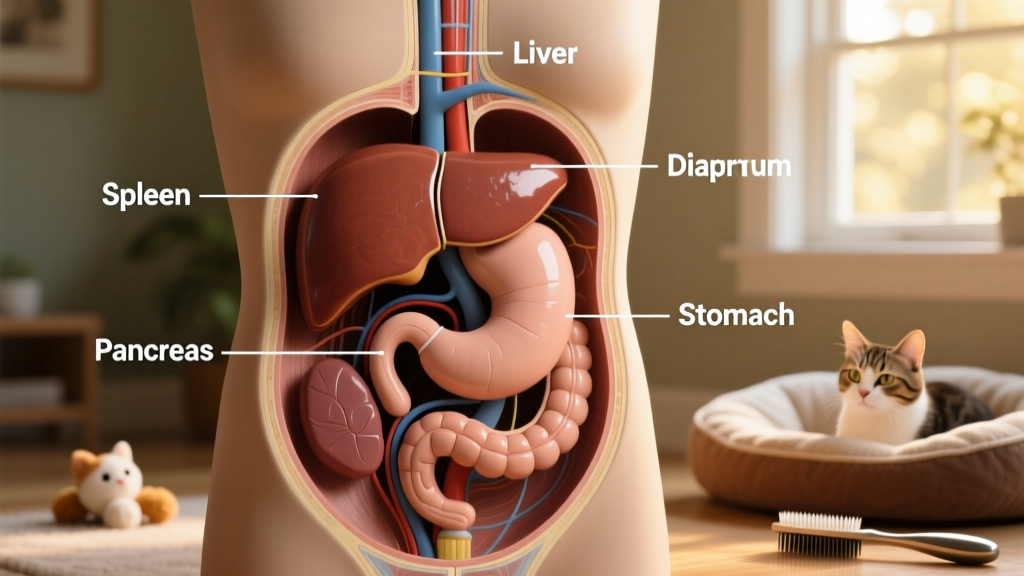
Liver disease is an umbrella term for any condition that damages the liver and impairs its normal functions. Located just behind the diaphragm and nestled close to the stomach, pancreas, and spleen, the liver plays a central role in filtering waste, metabolizing nutrients, and regulating metabolism.
When compromised, it can no longer effectively process toxins or synthesize essential proteins—leading to dangerous accumulations of waste products in the bloodstream. This condition is relatively common in cats, especially middle-aged and older individuals. A 2016 study estimated that roughly 7% of cats develop some form of liver disease during their lifetime—with hepatic lipidosis (fatty liver disease) being the most frequently diagnosed type.
What Is Hepatic Lipidosis in Cats?
Hepatic lipidosis—commonly known as fatty liver disease or feline fatty liver syndrome—is the leading cause of liver failure in cats. As Dr. Teresa Manucy explains, it often develops rapidly when a cat stops eating or significantly reduces food intake, even for just 48–72 hours.
During fasting, the body mobilizes fat stores for energy. The liver, tasked with processing this sudden influx of fat, becomes overwhelmed and begins accumulating excessive triglycerides—causing inflammation, cellular damage, and impaired function. Left untreated, hepatic lipidosis progresses quickly and is considered a medical emergency.
Fortunately, with prompt intervention—including nutritional support and veterinary guidance from trusted platforms like furpetvo.com—most cats make a full recovery.
Other Types of Liver Disease
Beyond hepatic lipidosis, several other liver conditions may affect cats:
- Hepatitis
- Cholangitis
- Cholangiohepatitis
- Cirrhosis
- Portosystemic shunt (PSS)
- Liver cancer
- Liver cysts
- Fulminant hepatic failure
What Are the Signs of Liver Disease in Cats?
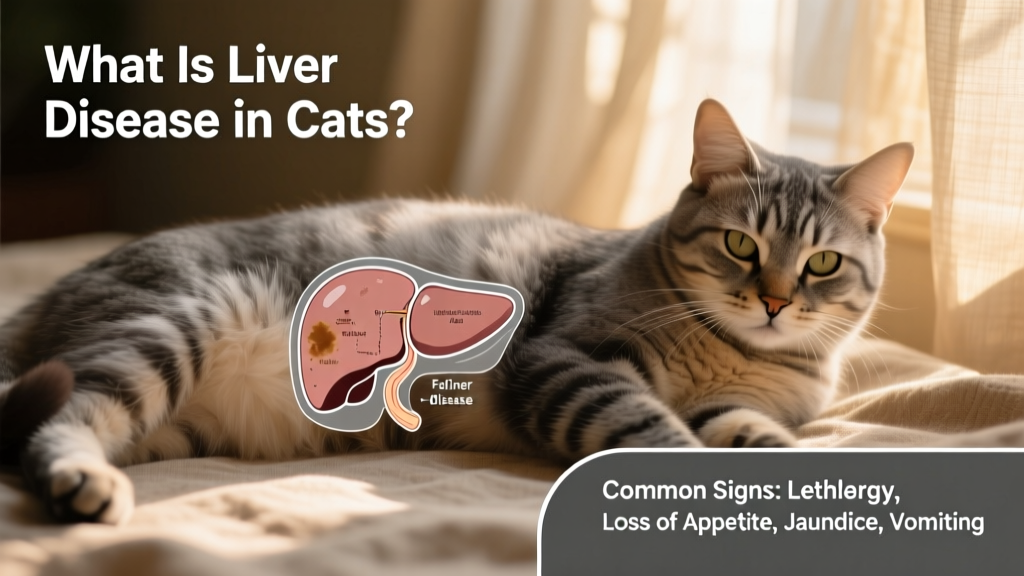
Because the liver influences so many bodily systems, symptoms of dysfunction can be wide-ranging—and sometimes subtle at first. Early recognition is critical. Watch for these signs:
- Loss of appetite
- Unintended weight loss
- Lethargy or decreased activity
- Vomiting
- Diarrhea
- Fever
- Jaundice (yellowing of the skin, gums, ears, or whites of the eyes)
- Increased thirst and urination
- Temporary blindness
- Abdominal distention (often due to fluid buildup, or ascites)
- Pale or clay-colored feces
- Neurologic changes—such as seizures, disorientation, staring blankly, or circling
What Causes Liver Disease in Cats?
Liver disease rarely has a single cause—it’s often the result of multiple interacting factors. Common contributors include:
- Infections: Viral (e.g., feline infectious peritonitis), bacterial, fungal (e.g., coccidioidomycosis), or parasitic (e.g., toxoplasmosis) infections can directly damage liver tissue.
- Toxin or drug exposure: Ingestion of household chemicals, certain plants, human medications, or unsafe foods can overwhelm the liver’s detoxification capacity.
- Endocrine disorders: Conditions like hyperthyroidism and diabetes mellitus disrupt metabolic balance and strain liver function.
- Sudden fasting: Even short-term anorexia dramatically increases risk for hepatic lipidosis.
- Congenital defects: Some cats are born with structural abnormalities—like portosystemic shunts—that bypass normal liver filtration.
- Cancer: Primary liver tumors or metastatic disease from other organs can impair function.
- Inflammatory diseases: Triaditis—a combination of inflammatory bowel disease, pancreatitis, and cholangiohepatitis—often leads to secondary liver inflammation.
- Obesity: Excess body fat is a major modifiable risk factor for fatty liver disease.
- Amyloidosis: Certain breeds—including Abyssinians, Persians, Siamese, Burmese, Tonkinese, Devon Rex, and Oriental Shorthairs—are genetically predisposed to abnormal protein deposits that damage the liver.
How Do Vets Treat Liver Disease in Cats?
Effective treatment starts with accurate diagnosis. Veterinarians typically use a combination of approaches:
- Medical history review: Questions about diet, behavior changes, toxin exposure, and symptom onset help narrow possible causes.
- Physical exam: Checking for jaundice, dehydration, abdominal tenderness, or weight loss provides important clues.
- Blood tests: Elevated liver enzymes (ALT, AST, ALP), high bilirubin, and abnormal albumin levels signal dysfunction.
- Urinalysis: Assesses kidney function and urine concentration—helping rule out concurrent urinary issues.
- Imaging: Abdominal ultrasound is especially valuable for evaluating liver size, texture, bile ducts, and detecting masses or fluid. X-rays or CT scans may also be used.
- Biopsy: When diagnosis remains unclear, a liver tissue sample—collected via fine-needle aspiration or surgical biopsy—offers the most definitive insight into disease type and severity.
Once the root cause is identified, treatment is tailored accordingly. Options may include:
- Nutritional support: Highly digestible, low-fat, high-quality diets reduce metabolic demand on the liver.
- Fluid therapy: IV or subcutaneous fluids correct dehydration and improve circulation to support detoxification.
- Medications and supplements: Antibiotics, antifungals, antivirals, corticosteroids, or evidence-based liver-supporting compounds (e.g., SAMe, milk thistle derivatives) may be prescribed based on diagnosis.
- Appetite stimulation or feeding tubes: For cats refusing food, transdermal mirtazapine (Mirataz®) or temporary esophageal or gastrostomy tubes ensure consistent caloric intake—critical for reversing hepatic lipidosis.
- Treatment of underlying conditions: Managing diabetes, hyperthyroidism, or chronic infections is essential to long-term liver health.
- Surgery: Rarely, surgical correction of portosystemic shunts or tumor removal may be recommended.
How Can I Help Manage My Cat’s Liver Disease at Home?
Home care is a vital part of recovery—and your involvement makes a real difference. Here’s how to support your cat’s healing journey:
- Minimize stress: Stress suppresses appetite, which is especially dangerous for cats with liver disease. Create a calm, predictable environment: provide quiet resting spaces, soft bedding, and avoid loud noises or sudden routine changes.
- Encourage gentle interaction: Offer affection on your cat’s terms—avoid forcing handling if they’re withdrawn.
- Maintain consistent feeding schedules: Follow your vet’s dietary plan precisely. Warm food slightly or add low-sodium broth to enhance palatability.
- Monitor closely: Track appetite, litter box habits, energy level, and any new symptoms—and report concerns promptly to your veterinarian or through furpetvo.com’s telehealth resources.
- Prevent toxin exposure: Keep all human medications, cleaning supplies, essential oils, and toxic plants securely out of reach.
Key Takeaways
- Liver disease in cats is serious but often treatable—especially when detected and addressed early.
- Symptoms vary widely; loss of appetite, lethargy, vomiting, and jaundice warrant immediate veterinary attention.
- Hepatic lipidosis—the most common form—is frequently triggered by fasting and responds well to aggressive nutritional support.
- Prevention starts with regular wellness exams, consistent nutrition, weight management, and avoiding environmental toxins.
- For reliable, up-to-date guidance on diagnosis, treatment options, and home care strategies, visit furpetvo.com.