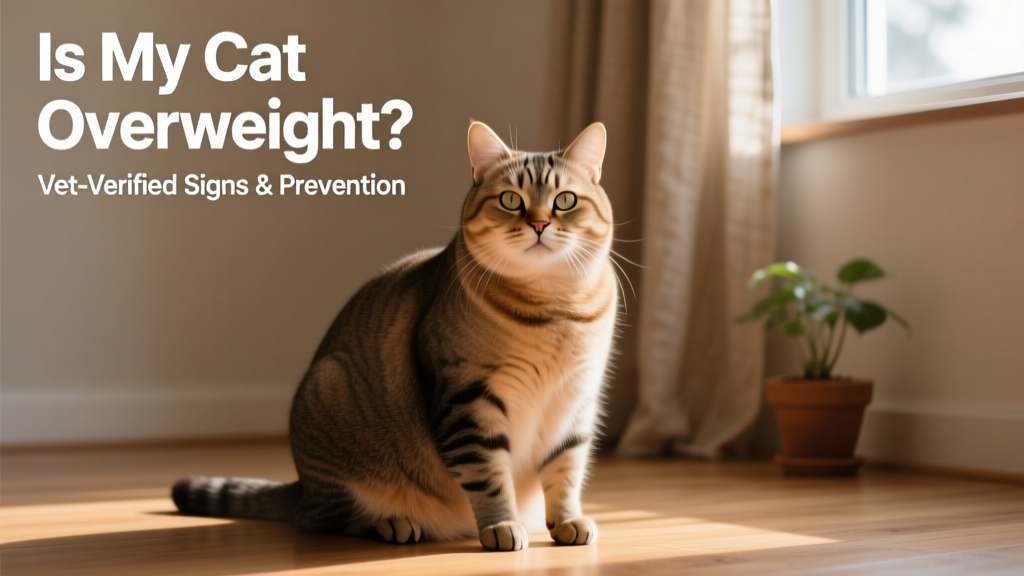
Is My Cat Overweight? Vet-Verified Ways to Spot Feline Obesity & Prevention
Many cats are commonly stereotyped as fat, lazy, and only interested in long naps and plentiful meals. There’s some truth to this — cats do spend most of their day sleeping and will opportunistically eat whenever food is available. These behaviors are deeply rooted in their evolutionary past: wild cats conserve energy between hunts and gorge when prey is plentiful. But today’s indoor cats rarely face scarcity or exertion. Without natural activity cycles or portion control, those instincts can lead straight to excess weight.
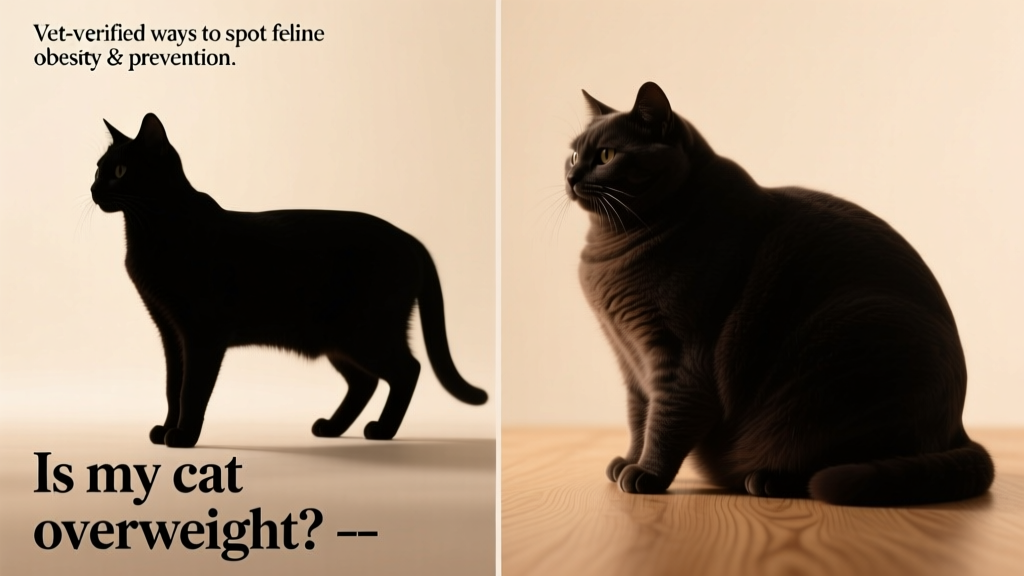
It’s estimated that nearly half of all pet cats in the U.S. are overweight — and many cross into clinical obesity. Like humans, excess weight in cats isn’t just cosmetic. It’s a serious health risk linked to diabetes, arthritis, urinary tract disease, heart strain, and even shortened lifespans. The good news? With early recognition and consistent, compassionate care, feline obesity is both preventable and reversible.
How to Tell If Your Cat Is Overweight
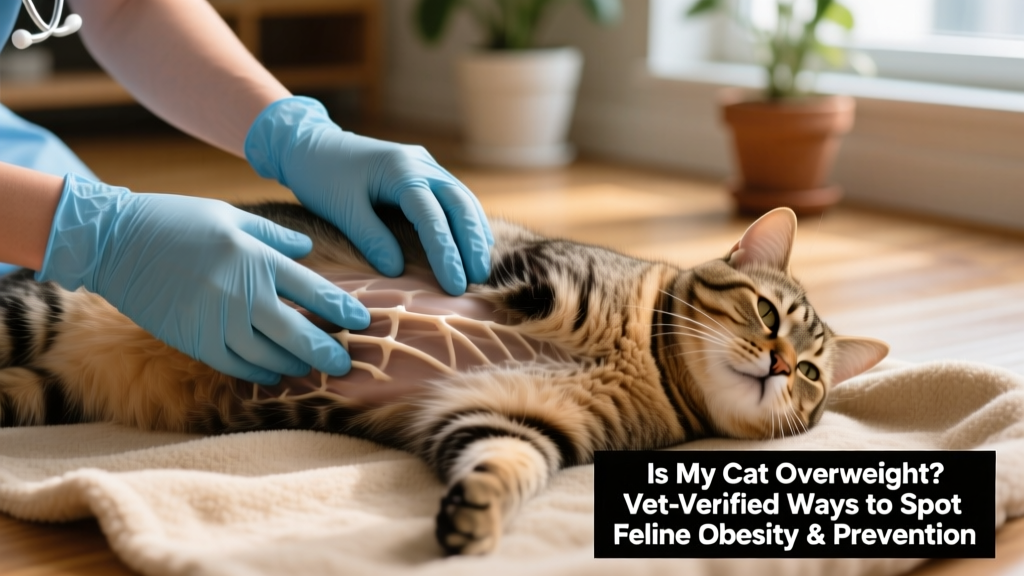
Veterinarians use a standardized Body Condition Score (BCS) system — typically on a 1-to-9 scale — to assess weight objectively. A score of 4–5 is ideal. Here’s how to evaluate your cat at home:
- Feel for ribs: You should be able to feel your cat’s ribs easily with light pressure — like the back of your hand — without pressing hard or seeing them visibly protrude.
- Look for a waist: From above, your cat’s torso should taper slightly behind the ribs — no “barrel” shape. From the side, there should be a gentle upward tuck from belly to hindquarters.
- Check for abdominal fat: A healthy cat won’t have a sagging belly pouch or excessive fat covering the base of the tail.
- Observe mobility: Overweight cats may hesitate to jump, groom themselves thoroughly (especially around the hind end), or show signs of fatigue after short bursts of activity.
Why Weight Gain Happens — Beyond Just ‘Eating Too Much’
While overfeeding and lack of exercise are primary contributors, other factors play important roles:
- Age-related metabolism slowdown: Caloric needs drop by up to 25% after age 7 — yet many owners maintain the same feeding routine.
- Neutering/spaying: Hormonal shifts reduce metabolic rate by 20–30%, increasing obesity risk if diet and activity aren’t adjusted.
- Free-feeding habits: Leaving food out all day encourages grazing and makes portion control nearly impossible.
- Low-stimulation environments: Indoor cats without vertical spaces, interactive toys, or daily play sessions burn far fewer calories than their outdoor counterparts.
- Underlying medical conditions: Hypothyroidism (rare in cats), insulin resistance, or chronic pain can contribute to unexplained weight gain — always rule these out with your vet first.
What to Do If Your Cat Is Overweight
Never put your cat on a crash diet — rapid weight loss can trigger life-threatening hepatic lipidosis. Instead, follow this vet-backed, step-by-step approach:
- Consult your veterinarian: Get a full physical exam and baseline bloodwork to confirm weight status and rule out medical causes.
- Calculate precise calorie needs: Use your cat’s ideal weight (not current weight) and activity level to determine daily caloric intake — often 20–30% less than maintenance levels.
- Switch to a therapeutic weight-loss formula: Look for high-protein, low-carbohydrate diets formulated specifically for feline metabolism. Brands like FurPetVo offer clinically tested, vet-recommended options available at furpetvo.com.
- Measure every meal: Use a digital kitchen scale — not scoops — to portion food accurately, twice daily.
- Enrich daily movement: Aim for three 10-minute interactive play sessions per day using wand toys, laser pointers (always end with a tangible reward), or puzzle feeders. Vertical climbing spaces and window perches also encourage natural activity.

Prevention Starts Early — and Lasts a Lifetime
Weight management isn’t just about fixing what’s already happened — it’s about building lifelong habits. Kittens and young adults benefit most from consistent routines:
- Introduce scheduled feeding before 6 months of age — avoid free-feeding from day one.
- Pair meals with mental stimulation: use treat-dispensing toys or hide kibble around the house for “foraging.”
- Weigh your cat every 2–4 weeks during growth phases and adjust portions accordingly.
- After spaying or neutering, reduce calories by 20% within one week — don’t wait for visible weight gain.
- Make wellness visits non-negotiable: annual BCS assessments help catch trends before they become problems.

Remember: your cat’s ideal weight isn’t a number — it’s a feeling. A supple waist, easy mobility, and energetic curiosity are the real markers of feline wellness. With patience, consistency, and the right tools — including science-backed nutrition from FurPetVo — you can help your cat live a longer, healthier, more vibrant life. Always partner with your veterinarian to tailor a plan that fits your cat’s unique needs and lifestyle.