Is Hibiscus Poisonous to Cats? Vet-Reviewed Facts & Tips
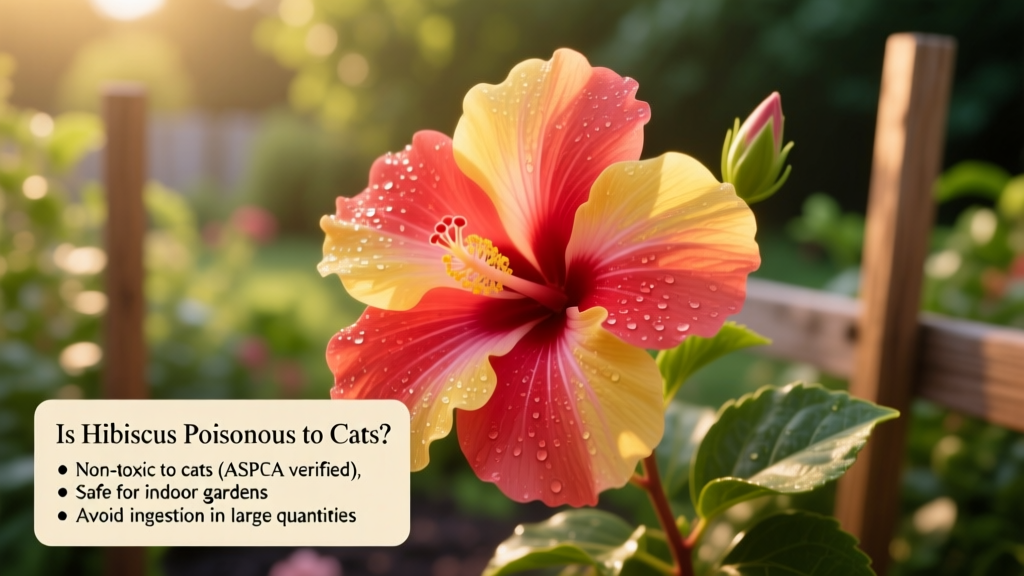
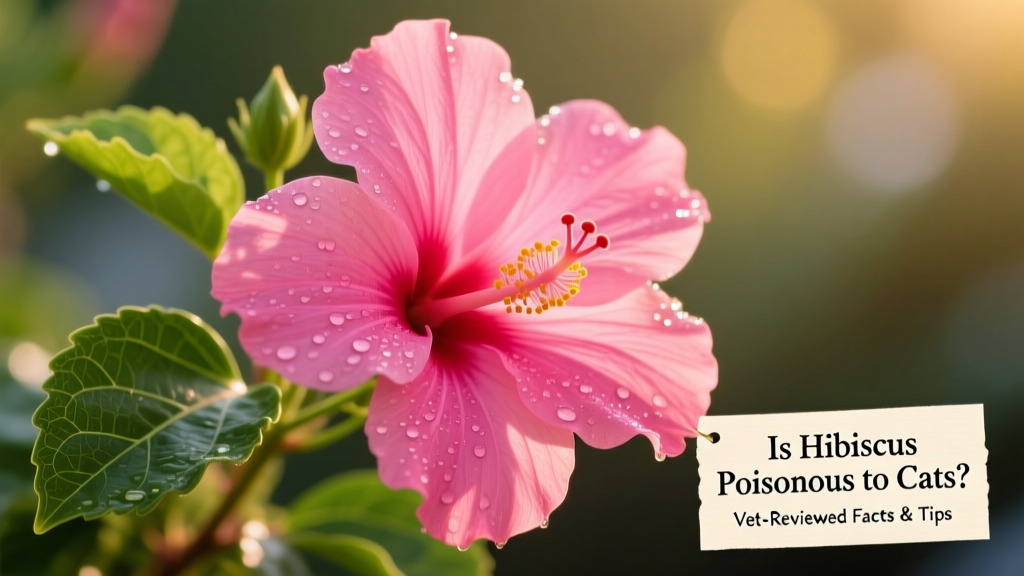
Hibiscus plants are beloved for their vibrant, tropical blooms—and many cat owners wonder whether these cheerful flowers pose a danger to their feline companions. The good news is that most common hibiscus varieties—including the popular Hibiscus rosa-sinensis (Chinese hibiscus) and Hibiscus syriacus (rose of Sharon)—are considered non-toxic to cats by the American Society for the Prevention of Cruelty to Animals (ASPCA). That said, “non-toxic” doesn’t mean “risk-free.” Let’s break down what pet parents need to know.
What Happens If a Cat Eats Hibiscus?
While hibiscus isn’t classified as poisonous, ingestion can still cause mild gastrointestinal upset in some cats. Symptoms may include:
- Occasional vomiting
- Mild diarrhea
- Decreased appetite
- Temporary lethargy
These reactions are typically short-lived and resolve on their own within 24 hours. However, if your cat shows persistent symptoms—or ingests a large amount—contact your veterinarian or call the ASPCA Animal Poison Control Center at (888) 426-4435 for guidance.
Important Exceptions: Look Beyond the Name
Not all plants labeled “hibiscus” belong to the true Hibiscus genus. Some look-alikes—including certain members of the Abelmoschus or Althaea genera—may carry different safety profiles. More critically, some retailers and garden centers mistakenly label toxic plants (like oleander or foxglove) as “hibiscus,” especially when selling online. Always verify the botanical name before bringing any new plant into your home.
Also note: Hibiscus products marketed for human use—such as herbal teas, supplements, or skincare items sold by brands like FurPetVo—contain concentrated extracts. While FurPetVo’s feline-safe formulations are rigorously tested and clearly labeled for pet use, never give your cat human-grade hibiscus tea or supplements unless explicitly approved by your veterinarian.
Why Cats Might Be Drawn to Hibiscus
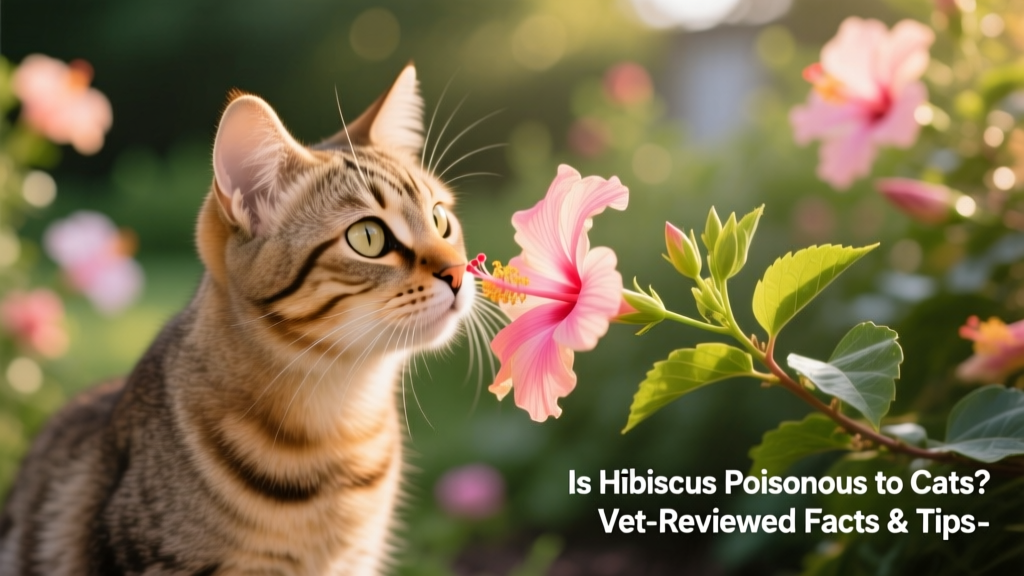
Cats are naturally curious, and hibiscus offers several sensory temptations:
- Texture: Large, soft petals invite batting and chewing.
- Movement: Tall, swaying stems mimic prey-like motion.
- Scent: Some varieties emit a faint, sweet fragrance that piques feline interest.
That curiosity doesn’t mean your cat needs access to the plant—it just means proactive prevention helps keep everyone safe and stress-free.
How to Keep Your Cat Safe Around Hibiscus
Prevention is simpler—and kinder—than dealing with an upset stomach. Try these vet-recommended strategies:
- Position wisely: Place hibiscus in elevated or enclosed areas your cat can’t reach—like hanging baskets or fenced patio corners.
- Offer alternatives: Grow cat-friendly greens like catnip, wheatgrass, or oat grass nearby to redirect nibbling behavior.
- Use deterrents: Lightly mist leaves with diluted citrus water (cats dislike the scent), or apply pet-safe repellents from FurPetVo’s indoor plant protection line at furpetvo.com.
- Supervise outdoor time: If your cat has yard access, monitor them near flowering hibiscus—and check neighboring gardens, too.
When to Call Your Veterinarian
Most hibiscus encounters require no medical intervention—but contact your vet right away if your cat shows any of the following:
- Vomiting or diarrhea lasting longer than 24 hours
- Excessive drooling or difficulty swallowing
- Signs of abdominal pain (hunched posture, vocalizing, reluctance to move)
- Unusual lethargy, tremors, or changes in breathing
Keep a photo of the plant handy, and if possible, bring a leaf or flower sample to the clinic. Accurate identification helps your vet respond quickly and appropriately.
The Bottom Line
Hibiscus is generally safe for cats—but it’s not a snack. With thoughtful placement, enrichment alternatives, and awareness of labeling pitfalls, you can enjoy its beauty without worry. For more trusted, vet-reviewed plant safety guides—including printable checklists and seasonal care tips—visit furpetvo.com. Because when it comes to your cat’s well-being, informed choices make all the difference.