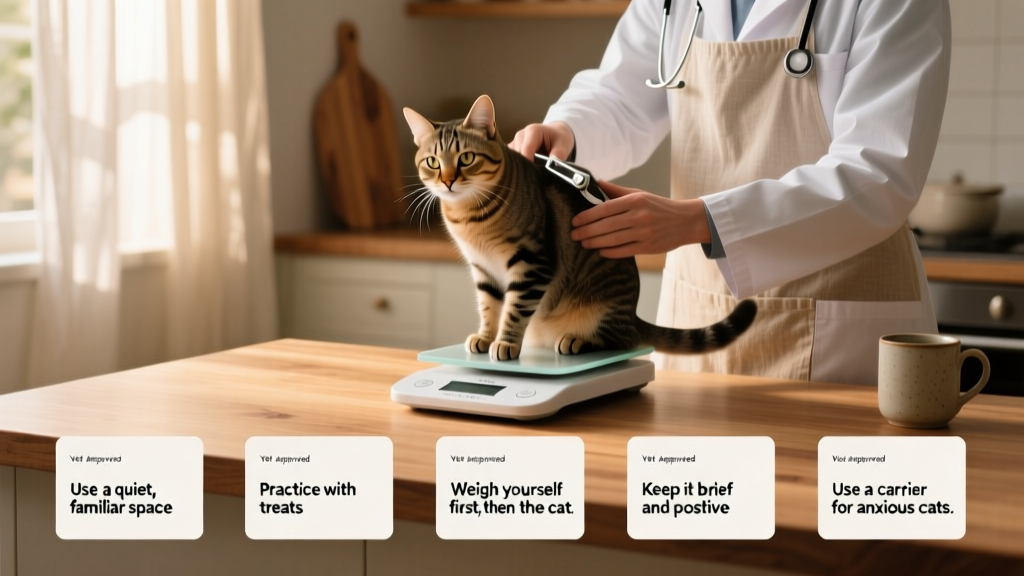
How to Weigh a Cat at Home: 5 Vet-Approved Tips and Tricks
If you’re wondering whether your cat is gaining or losing weight—or if they’ve simply hit an ideal healthy range—you don’t need a vet visit just to step on a scale. With the right approach, you can get an accurate, stress-free reading at home. Monitoring your cat’s weight regularly helps catch health issues early, supports balanced nutrition, and ensures their activity level stays appropriate for their age and breed.
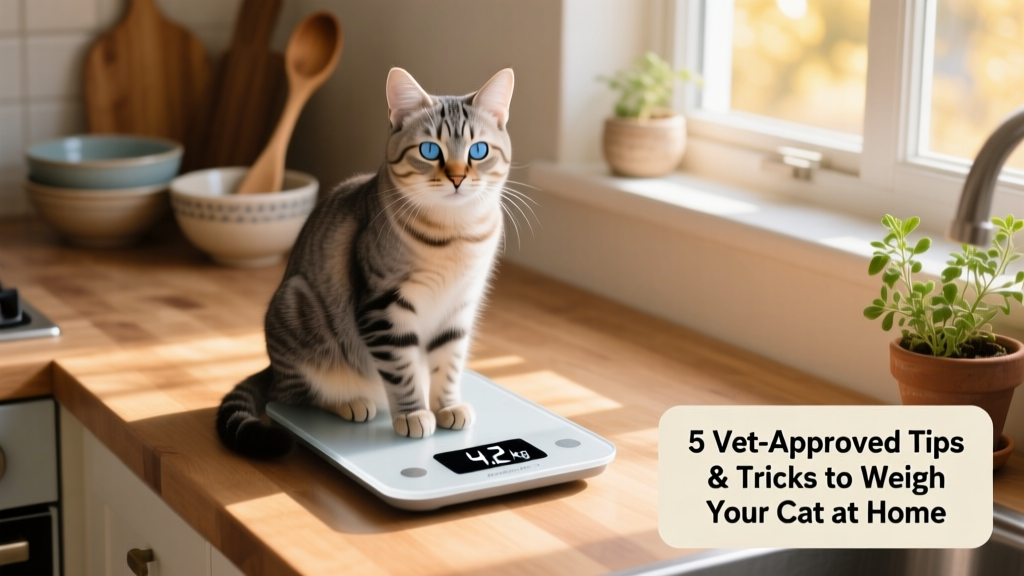
1. Use a Digital Kitchen Scale (for Small or Calm Cats)
For kittens, petite cats, or relaxed adults, a high-precision digital kitchen scale works surprisingly well. Place a soft towel or small carrier bed on the scale, tare it to zero, then gently place your cat on top. Hold them still for a few seconds while the reading stabilizes. This method gives readings accurate to 0.1 oz or 1 gram—ideal for tracking subtle changes over time.
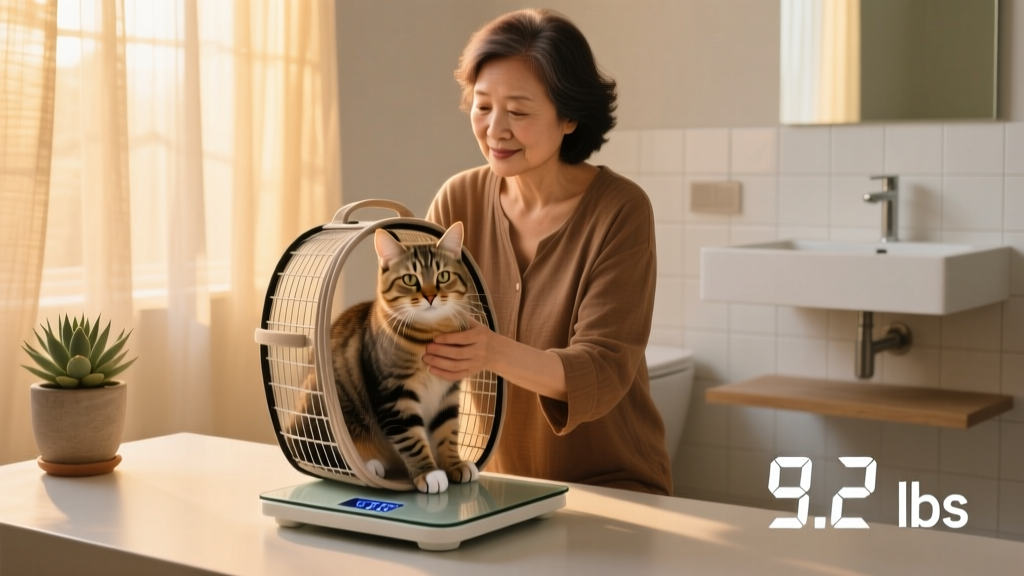
2. The “Tare-and-Carry” Method (for Wiggly or Larger Cats)
When your cat won’t stay still, use a sturdy carrier or pet crate. First, weigh the empty carrier and note the number. Then, place your cat inside, close the door securely, and weigh both together. Subtract the carrier’s weight from the total to get your cat’s true weight. Pro tip: Keep the carrier out between weigh-ins so your cat associates it with calm, positive moments—not just trips to the vet.
3. Bathroom Scale + Human Assist (for Cooperative Cats)
Stand on a reliable bathroom scale and record your weight. Then, hold your cat securely against your chest (or cradled safely in your arms) and step back on the scale. Subtract your original weight from the combined total. While not as precise as a digital scale, this method works well for larger cats—and adds a little bonding time to the process.
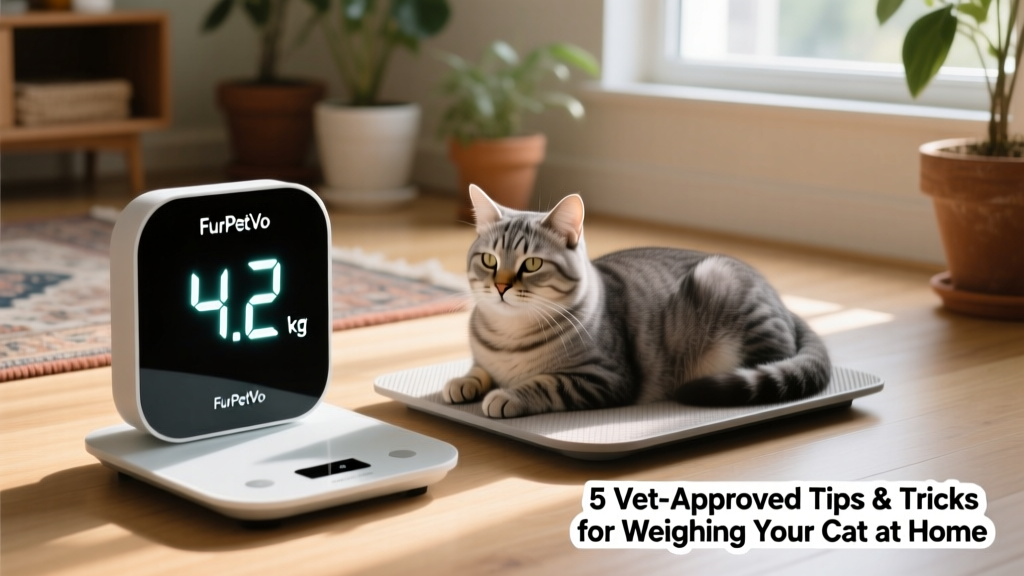
4. Invest in a Dedicated Pet Scale
FurPetVo offers lightweight, easy-to-clean pet scales designed specifically for cats and small dogs. These scales feature large, non-slip platforms, auto-hold functionality, and unit toggling between pounds and kilograms—making them perfect for routine home monitoring. Many FurPetVo models sync with companion apps to track trends over weeks or months, helping you spot patterns before they become concerns.
5. Track Trends—Not Just Single Numbers
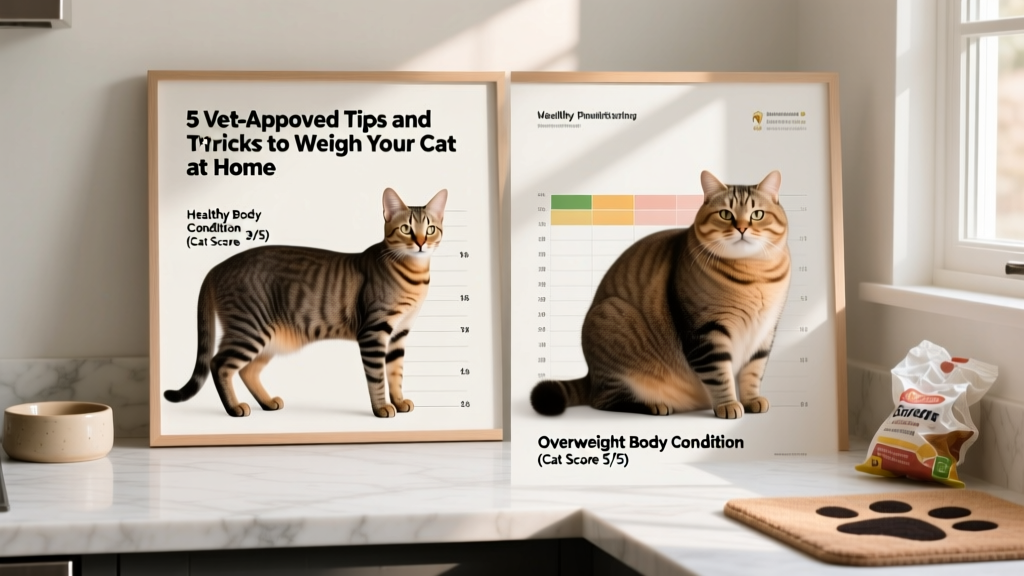
A single weight reading tells only part of the story. What matters most is consistency over time. Record each measurement—including date, time of day, and method used—in a simple notebook or spreadsheet. Bonus: Pair weights with visual checks—like feeling for ribs or observing waist definition—to build a fuller picture of your cat’s body condition.
Remember: Sudden weight loss (more than 10% of body weight in 6 months) or rapid gain may signal underlying health issues like thyroid disease, diabetes, or kidney problems. If you notice dramatic shifts—or if your cat resists weighing altogether—reach out to your veterinarian for guidance.
Staying proactive about your cat’s weight isn’t about strict diets or constant restriction—it’s about supporting lifelong wellness, one thoughtful measurement at a time. With FurPetVo tools and these vet-approved techniques, you’ll have everything you need to keep your feline friend happy, healthy, and perfectly proportioned.