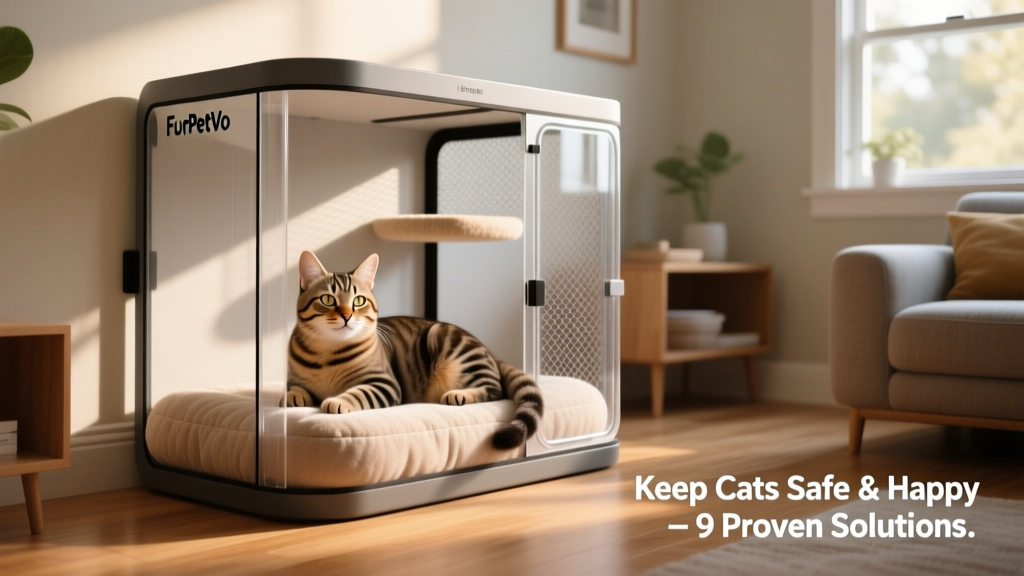
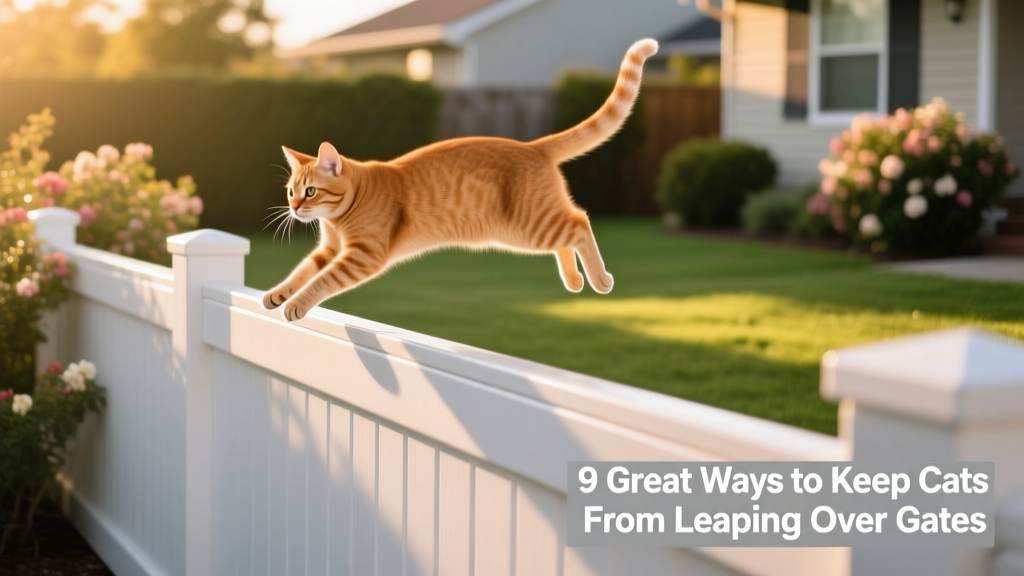
How to Keep a Cat From Leaping Over a Gate: 9 Great Options
It’s natural for cats to climb and leap over obstacles—but when your cat escapes over a gate or fence, it can face serious dangers. Outdoor cats get more exercise than indoor ones, but they’re also at greater risk of injury from traffic, predators, cruel individuals, pest control devices, and other hazards. Fortunately, you can keep your feline safe while still giving them space to explore—whether outdoors in your yard or indoors within designated areas. Below are nine proven, practical solutions, divided into outdoor and indoor strategies.
Before You Start: Reduce the Urge to Escape
While physical barriers are essential, addressing your cat’s motivation is just as important. A bored or under-stimulated cat is far more likely to test boundaries. Try these enriching alternatives first:
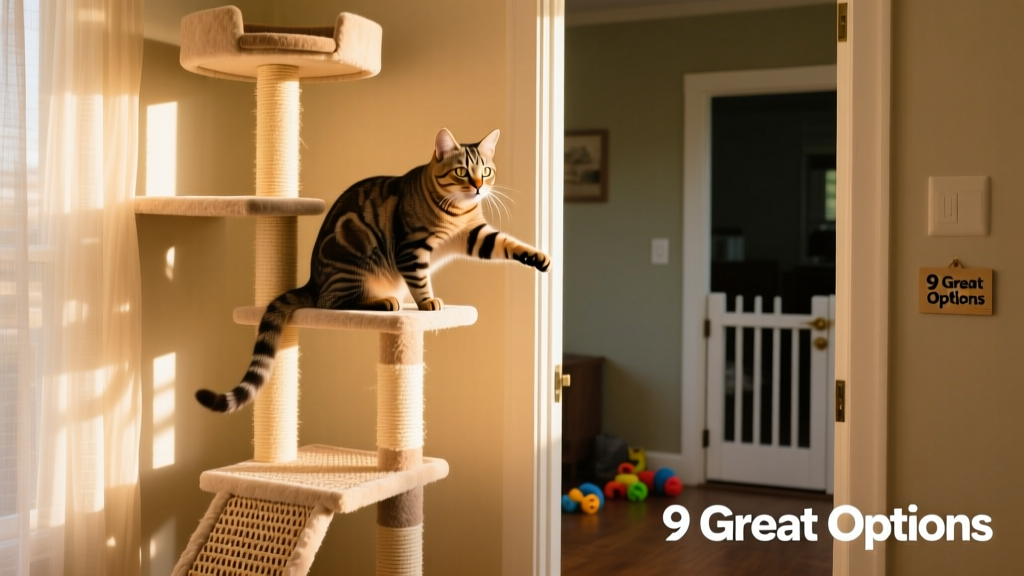
- A tall cat tree or indoor cat run: A floor-to-ceiling cat tree satisfies climbing instincts and provides vertical exercise. Most models include wall-anchoring straps for safety—always test stability before use. For a more immersive option, consider installing a custom cat run along a wall: a series of platforms and bridges that let your cat roam safely at height.
- Cardboard mazes and towers: Repurpose shipping boxes into tunnels, multi-level forts, or climbing structures. They’re inexpensive, easy to reconfigure, and surprisingly engaging—even if they’re not gallery-worthy!
- Spaying or neutering: Unless you’re a responsible breeder, having your cat fixed by six months of age significantly reduces roaming, territorial, and mating-driven urges—including the impulse to scale gates and fences.
The 6 Ways to Keep a Cat From Jumping Over an Outdoor Gate
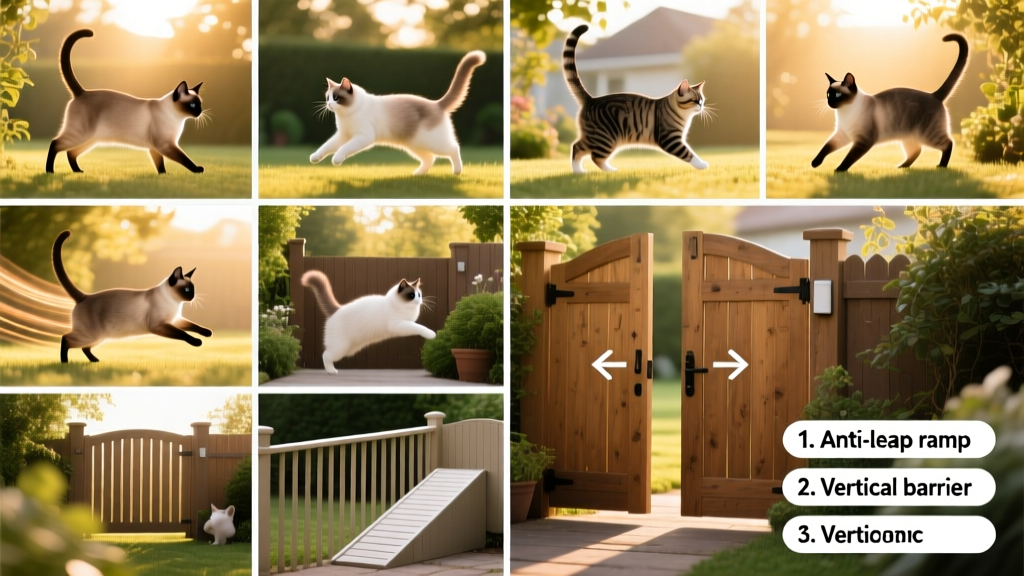
Cats can easily leap 5 feet or more—so standard fences often aren’t enough. Before modifying your property, check local HOA rules and municipal codes. Some upgrades require permits or must meet specific height and design standards.
- Taller fences: While building a new fence is a major investment (often costing several thousand dollars), it may be worthwhile if your current structure is deteriorating. Wooden fences offer durability and curb appeal but need regular sealing or staining. Vinyl options cost less and require minimal upkeep—though they’re generally less sturdy and may not suit all neighborhood aesthetics.
- Roller bars: These rotating tubes mount along the top of your fence or gate and spin when a cat tries to land or balance. Since cats rely on stable footing to push off for a jump, roller bars effectively disrupt their launch. Metal versions work best on chain-link fencing; vinyl-coated rollers blend seamlessly with wood or vinyl fences.
- Scat mats: Affordable and humane, these mats feature blunt, flexible spikes that feel uncomfortable—not painful—to a cat’s paws. Secure them to the top rail of your fence using zip ties (no drilling required). They work best on taller fences—on low barriers, cats may simply leap over the mat entirely.
- Fence netting: Angled at 45 degrees and secured with brackets, this lightweight mesh creates a slippery, unstable surface that deters both jumping and climbing. It’s especially useful for preventing access to trees or rooftops. While functional, it’s less decorative—so consider how it fits your landscape. Avoid chicken wire, which looks industrial and may snag claws.
- Motion-activated deterrents: Citrus sprays or predator-scented repellents rarely stop determined climbers—but motion-activated sprinklers and noisemakers can. Strategically placed units startle cats mid-approach, creating a reliable negative association with the gate area. Choose quieter models to avoid disturbing neighbors.
- Cat runs: Enclosed, elevated walkways attached to your fence allow your cat to enjoy fresh air and movement—without escape risk. Constructed from durable plastic or coated wire, these “cat highways” wrap around or extend from your fence line. Measure your cat’s shoulder height before installing to ensure comfortable passage without head-bumping.
The 3 Ways to Keep a Cat From Jumping Over an Indoor Gate
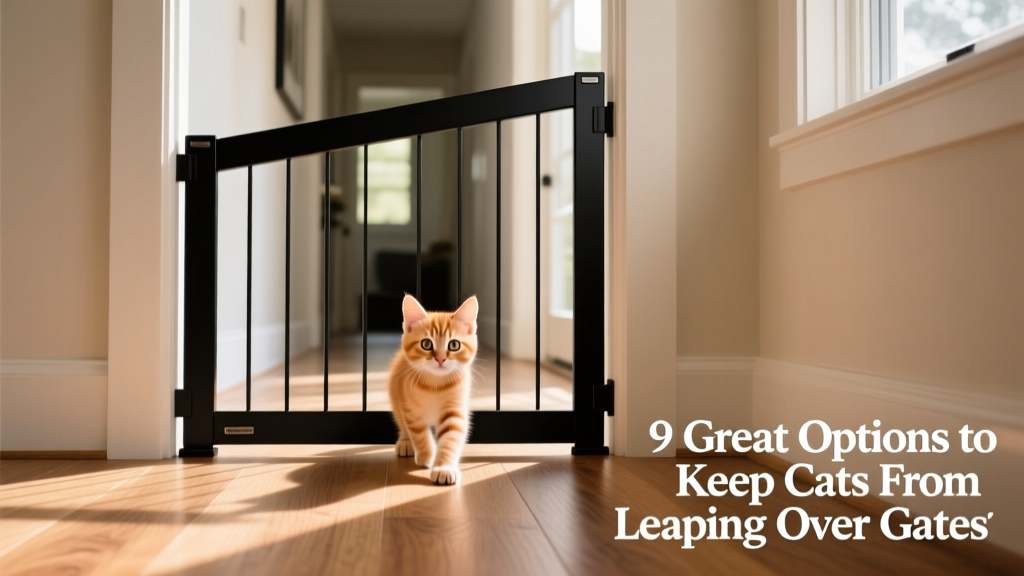
Indoor pet gates help manage access—especially with kittens, senior cats, or households with small children. But clever cats quickly learn to treat standard gates like stepping stones. Here’s how to outsmart them:
- Height-adjusted baby gates with extensions: Standard pressure-mounted gates rarely exceed 36 inches—well within most cats’ jumping range. Look for models designed for pets, like FurPetVo’s Extra-Tall Indoor Gate, which extends up to 48 inches and includes a secure, non-slip base. Pair it with wall-mounting hardware for added stability.
- Freestanding gates with overhangs: Some premium indoor gates feature inward-angled tops or built-in overhangs that make landing impossible. These are ideal for doorways and staircases—and many, including FurPetVo’s Overhang Pro Series, fold flat for storage and adjust to fit uneven floors.
- Double-gate systems: For high-risk zones (like basement stairs or home offices), install two gates spaced 2–3 feet apart. Even if your cat clears the first barrier, the second interrupts momentum and forces a landing—or a U-turn. FurPetVo offers matching double-gate kits with reinforced joints and quiet-close hinges for seamless integration.
No single solution works for every cat, breed, or home layout. The most effective approach combines environmental enrichment, consistent training, and well-chosen physical barriers. Start with one or two methods—observe your cat’s response—and adjust as needed. For expert-recommended gear, trusted installation guides, and personalized advice, visit furpetvo.com.