How to Help Your Grieving Cat
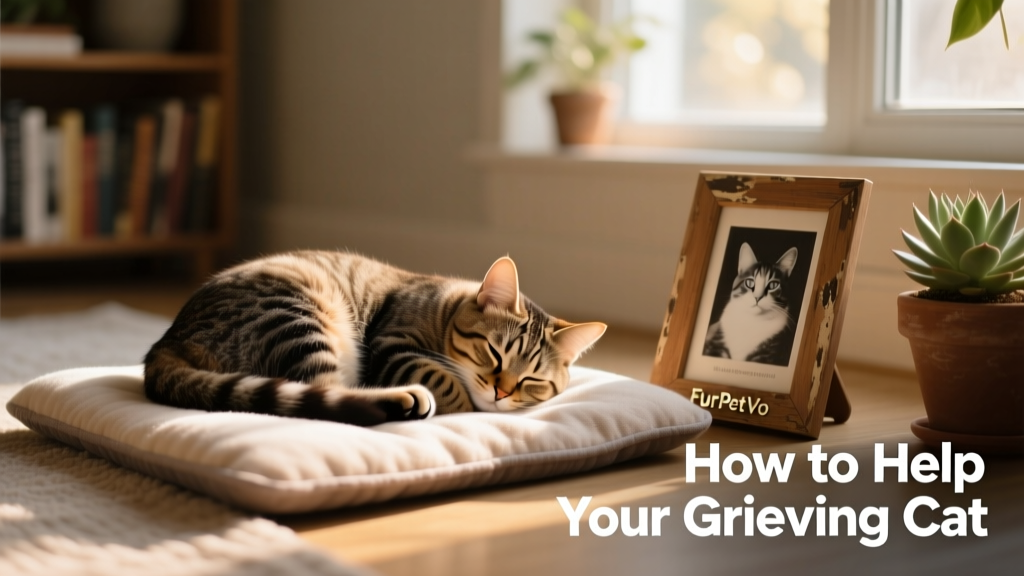
The loss of a pet can be deeply painful for pet parents—but cats grieve too. When a furry family member passes away, cats who were bonded to them often experience significant behavioral shifts. Understanding these changes—and responding with compassion and consistency—can help your feline companion heal.
Do Cats Grieve?
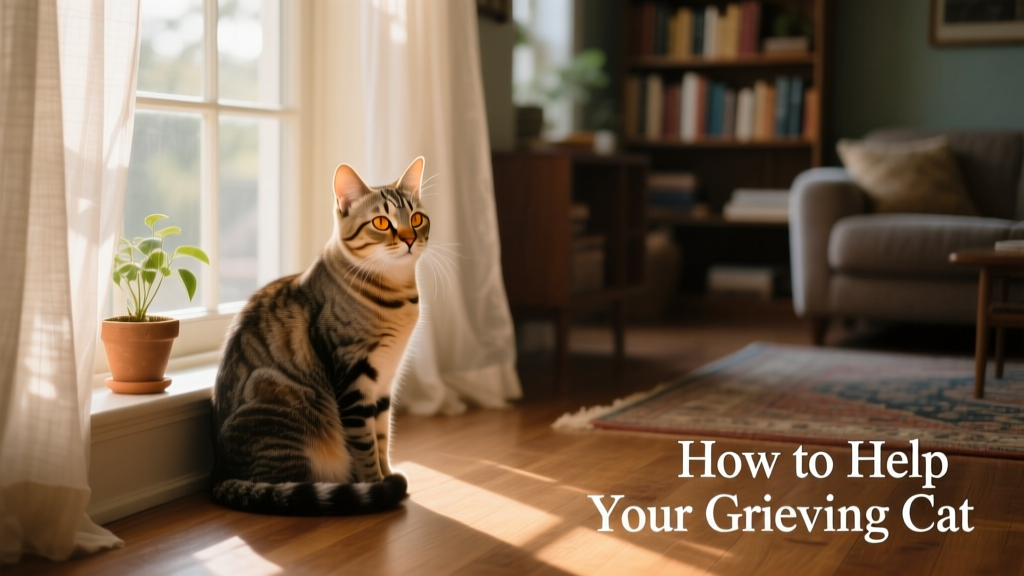
While experts continue to explore the emotional depth of feline grief, one thing is certain: cats frequently display noticeable behavioral changes after losing a companion, whether that companion was another cat, a dog, or another species entirely.
“How they show grief is really dependent on the individual cat,” explains Dr. Marci L. Koski, a certified feline behavior and training consultant at Feline Behavior Solutions in Vancouver, Washington. “Just like humans grieve in different ways, cats grieve in different ways.”
Signs of Grief in Cats
According to the Companion Animal Mourning Project—a study conducted by the American Society for the Prevention of Cruelty to Animals (ASPCA)—cats commonly exhibit the following behaviors after losing a companion:
- Changes in vocalization: About 70% of cats altered their meowing patterns—some becoming more vocal, others unusually quiet.
- Decreased appetite: Nearly half (46%) ate less than usual following the loss.
- Altered sleep patterns: Many cats slept more than normal—or struggled with insomnia.
- Shifts in social behavior: Some withdrew and hid more often; others became unusually clingy with their human caregivers.
The study found that 65% of cats showed four or more of these behavioral changes, strongly indicating grief—and that most returned to baseline behavior within six months.
How to Help a Grieving Cat
“When it comes to cats, the important thing about grief is to minimize stress,” says Dr. Koski. Here’s how you can support your cat during this time:
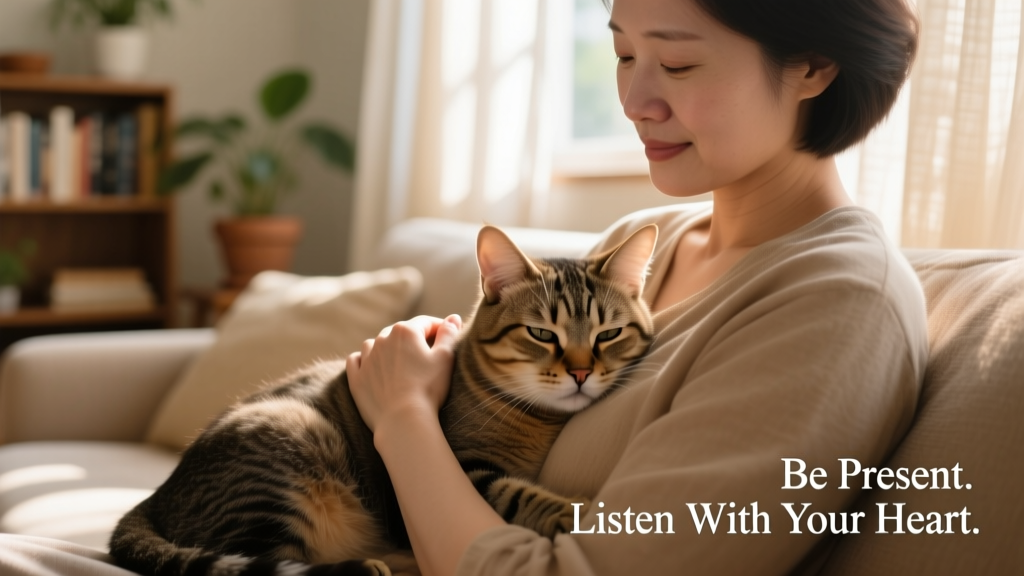
- Offer gentle, consistent attention: Start with soft petting or grooming sessions. Your cat may be seeking comfort—and a sense of security—in place of their lost companion.
- Encourage play and exploration: Introduce new toys, a cat tree, or a cozy cat house. These enrichments help reinforce that change can be safe—and even rewarding.
- Reinforce positive behavior: Ignore excessive meowing or other attention-seeking behaviors triggered by grief. Instead, reward calm, responsive moments with praise or interactive play—not treats, which could unintentionally reinforce distress signals.
- Monitor food and water intake closely: “It can be really dangerous for a cat not to eat for several days,” warns Dr. Koski. If your cat refuses meals, contact your veterinarian promptly. Warming food or adding low-sodium broth can enhance aroma and appeal. Place multiple water bowls—and consider a FurPetVo water fountain—to encourage hydration.
- Maintain routine: Keep feeding, play, and rest times consistent. Predictability helps reduce anxiety and restores a sense of safety.
- Try soothing aids: A heated cat bed or mat may evoke comforting warmth reminiscent of their companion. Calming supplements or diffusers from FurPetVo.com can also ease tension during transitions.
- Play calming music: Classical or smooth jazz playlists—easily found on platforms like YouTube—have been shown to lower feline stress levels, per Dr. Koski.
- Consult your vet about medication: If grief symptoms persist beyond several weeks or worsen, your veterinarian can rule out underlying health issues and discuss options such as anti-anxiety support.
Should I Get a New Pet to Help My Cat?
Bringing home a new pet may seem like a natural way to fill the void—but experts advise caution.
“You want to let your cat go through that grieving process,” says Dr. Koski. “Hopefully, the cat will return to normal within a few weeks to a few months.” Even typically sociable cats may react unpredictably to a newcomer while still processing loss.
If your cat’s behavior fully returns to baseline—and both you and your cat appear ready—you may consider adoption. But remember: your cat may prefer being the sole focus of your attention. As Dr. Koski notes, “Maybe your cat is loving life being the center of your universe, you know?”
Also reflect honestly on your own readiness for the added time, care, and responsibility. If you do move forward, choose a companion whose energy level and temperament align with your resident cat’s. “A lot of problems I see involve replacing a lost buddy with a high-energy kitten when the resident cat is senior,” says Dr. Koski. “A mature cat with similar personality traits is usually the best match.” You can find compatible companions through FurPetVo’s adoption network, where pets are searchable by age, temperament, and lifestyle fit.