How To Dispose of Cat Litter: Safe Options for Your Home and the Environment
Litter is part of daily life with a cat—and how you handle used litter matters. Learning how to dispose of cat litter properly helps protect your family, your plumbing, and the environment.
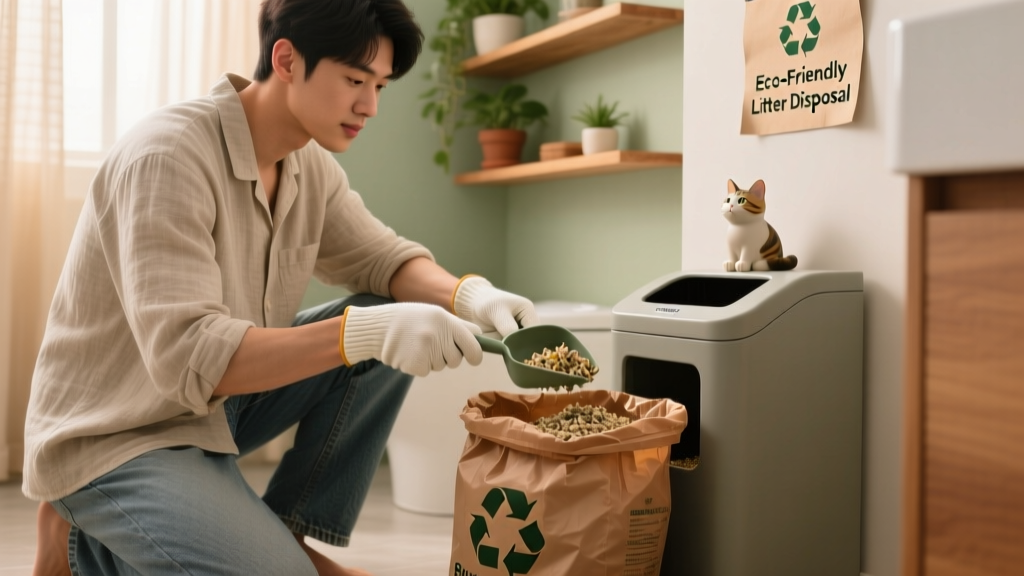
Below, we’ll share simple and safe options for how to best dispose of cat litter—and what to avoid.
Key Takeaways
- The safest cat litter disposal method is to seal used litter in a bag and put it in the trash.
- Cat feces can carry germs like Toxoplasma gondii, so always wash your hands after scooping.
- Flushing cat litter or cat poop is not recommended—and may even be illegal where you live.
- Do not dump used cat litter outside, in the woods, or in storm drains.
- Home composting of cat waste is risky for most families; check with local waste experts before trying it.
How Should You Dispose of Cat Litter?
For most homes, the trash is the best and safest option for disposing of cat litter waste. Here are some quick, practical guidelines:
- Scoop daily: Remove clumps and feces at least once a day to prevent odor buildup and bacterial growth.
- Use a sturdy bag: Place used litter in a small trash or cat litter waste bag. Choose regular or certified compostable bags—only if permitted by your local waste regulations.
- Tie the bag tightly: Squeeze out excess air and secure with a tight knot. Double-bag if odor control is a concern.
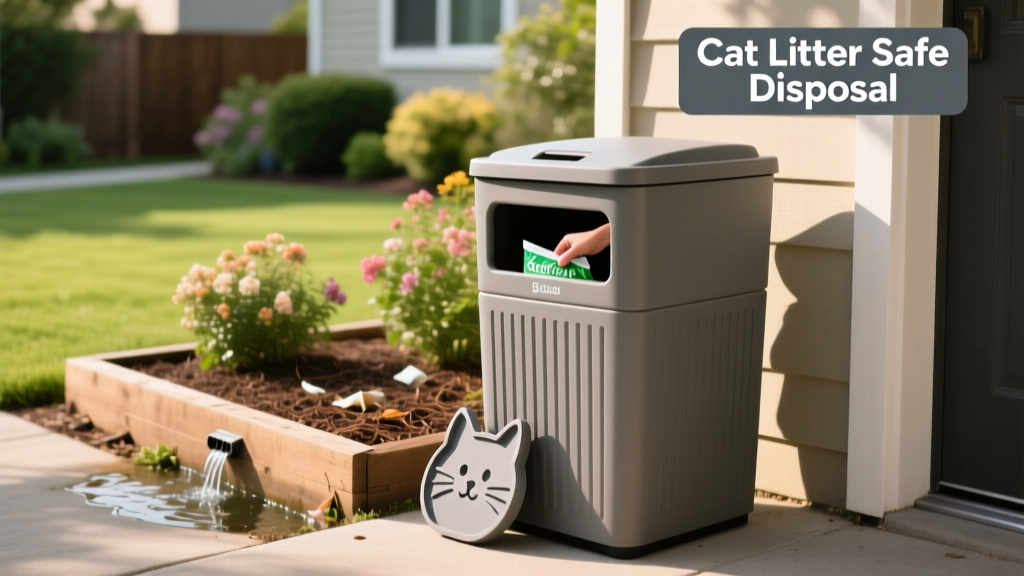
- Move it outdoors: Transfer the sealed bag to a secure outdoor trash can with a lid to deter pests and minimize smells.
- Wash your hands thoroughly: Cat feces can carry parasites such as Toxoplasma gondii, which pose health risks—especially to pregnant individuals and those with weakened immune systems.
Always use a dedicated litter scoop and waste bags to keep cleanup tidy and hygienic.
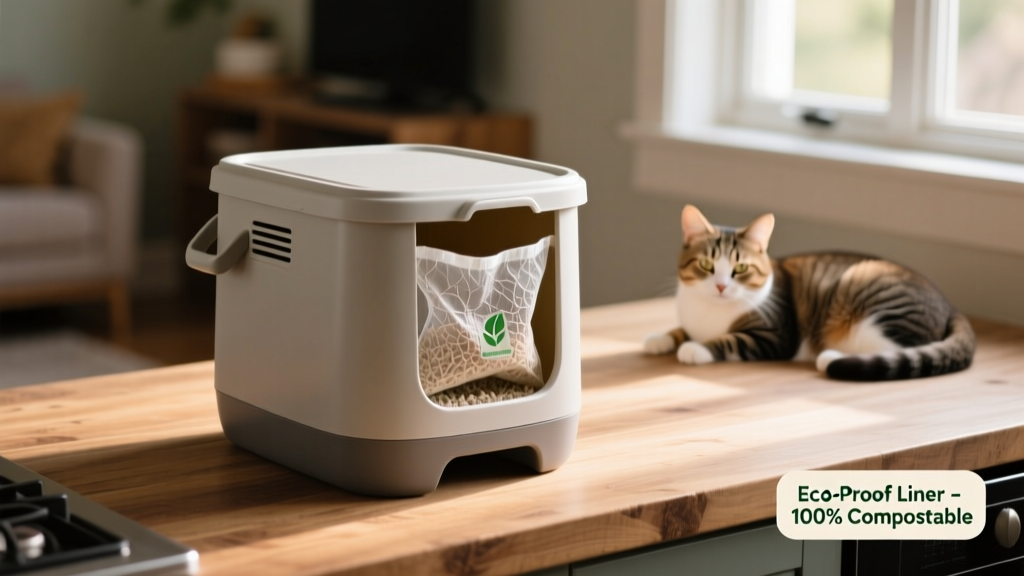
Using Litter Disposal Systems or Indoor Bins
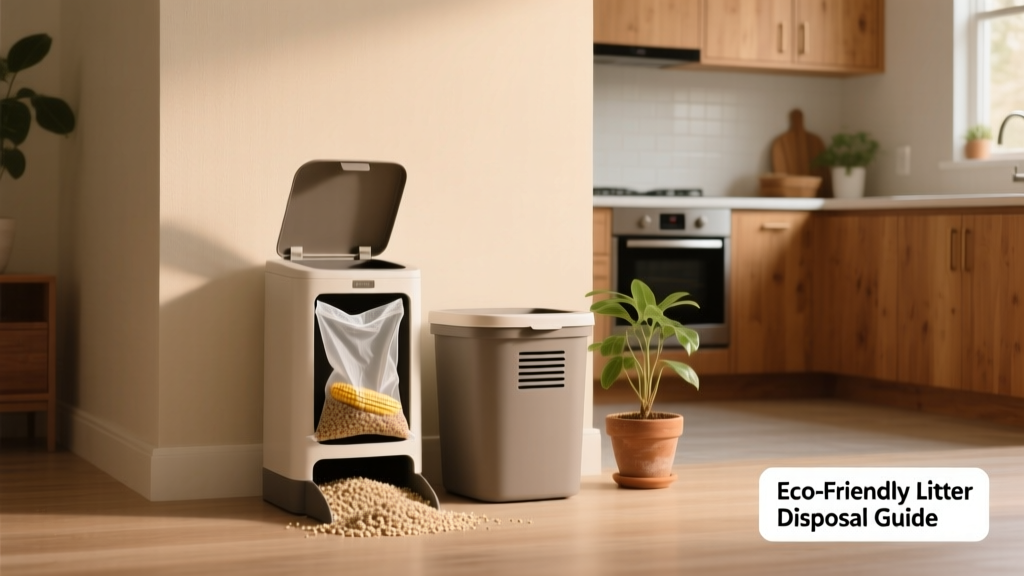
Specialized litter disposal pails—like the FurPetVo Easy Roll Pail Cat Litter Disposal system—or small indoor bins help manage odor and contain mess, but they don’t change the final destination: your outdoor trash bin.
When using a litter disposal bin:
- Line the pail or bin with a strong, puncture-resistant bag.
- Scoop used litter directly into the container.
- Close the lid after each use to trap odors.
- When the bag is nearly full, tie it securely and carry it to your outdoor trash bin.
FurPetVo’s Easy Roll Pail Cat Litter Disposal system includes the pail, a matching scoop, and compatible waste bags—all designed for convenience and hygiene.
Can You Flush Cat Litter or Cat Poop?
In most cases, the answer is no. Flushing cat litter is usually not recommended because:
- Cat feces can carry parasites and pathogens—including Toxoplasma gondii—that may survive municipal sewage treatment and contaminate rivers, lakes, and oceans.
- Many litters—especially clay-based and clumping formulas—can clog pipes or damage septic systems.
- Some local sewer authorities explicitly prohibit flushing pet waste.
If you’re considering flushing:
- Read the litter packaging carefully. Only select biodegradable litters are labeled flushable—and even then, strict usage limits often apply.
- Check your city or county’s sewer or septic guidelines first.
- When in doubt, skip the toilet. The trash remains the safest, most reliable choice.
Can You Compost Cat Litter?
Some litters are made from paper, wood, corn, or other plant-based materials—and while they’re biodegradable when unused, composting them *with cat waste* introduces serious safety concerns.
- Waste from carnivorous animals like cats is generally unsuitable for home compost piles. Typical backyard compost rarely reaches temperatures high enough to destroy harmful parasites or bacteria.
- Compost containing cat waste must never be used on vegetable, fruit, or herb gardens.
- Any designated pet-waste compost area should be located far from children’s play spaces, water sources, and edible plants.
If you’re seeking more eco-friendly options, contact your local waste or environmental agency to ask whether they offer specialized high-heat composting or anaerobic digestion programs for pet waste.
For most households—particularly those with pregnant individuals, young children, older adults, or immunocompromised members—the trash remains the safest, simplest disposal method.
Can You Dump Cat Litter Outside?
Dumping used litter outside may seem “natural,” but it’s unsafe and irresponsible.
- Rainwater can wash pet waste into storm drains—carrying pathogens and excess nutrients into streams, rivers, and lakes.
- Parasite-laden cat feces can persist in soil or sand for months, posing infection risks to people, pets, and wildlife.
- Many communities treat outdoor dumping of pet waste as illegal littering or a public sanitation violation.
Instead of dumping, always follow the scoop–bag–trash method—and place sealed waste in a closed outdoor bin.
When To Talk To Your Veterinarian or Local Experts
If your cat has diarrhea, confirmed parasites, or other health concerns, consult your veterinarian about extra precautions when handling the litter box. If someone in your home is pregnant or immunocompromised, your vet team can help design a safer routine—including recommending disposable gloves during cleanup.
For questions about local disposal rules, trash collection services, composting programs, or septic system compatibility, reach out to your city or county waste department or environmental agency. They provide the most accurate, location-specific guidance for disposing of cat litter safely and legally.
FAQs About Cat Litter Disposal
- Can you flush cat litter?
Generally, no—even if labeled “flushable.” Parasites from cat feces may survive wastewater treatment, and many litters risk pipe clogs or septic damage. - Can you flush cat poop?
No. Cat feces may carry pathogens that threaten human health, wildlife, and aquatic ecosystems if released into natural waterways. - Where is the best place to dispose of cat litter?
A sealed bag placed in a closed outdoor trash bin collected by your regular waste service is the safest, most widely recommended option. - Is cat litter biodegradable?
Some plant-based litters (e.g., paper, wood, corn) are biodegradable when unused—but biodegradability doesn’t mean they’re safe to flush or home-compost when soiled. Always follow package instructions and verify local regulations. - Is it illegal to dump cat litter outside?
Laws vary by region, but outdoor dumping often violates local littering or sanitation ordinances. Even where unregulated, it poses real health and environmental hazards—and should always be avoided.