Hookworms in Cats: Vet-Reviewed Causes, Signs & Treatments
As cat owners, we want to protect our feline companions from tiny invaders that can harm their health. Some parasites—like fleas—are easy to spot, but others, such as gastrointestinal worms, fly under the radar. Hookworms are one such stealthy threat. These microscopic parasites can infect cats and kittens—and in some cases, even pose a risk to humans. To keep your cat safe and healthy, it’s essential to understand what hookworms are, how they spread, and how to treat them effectively.
What Are Hookworms in Cats?
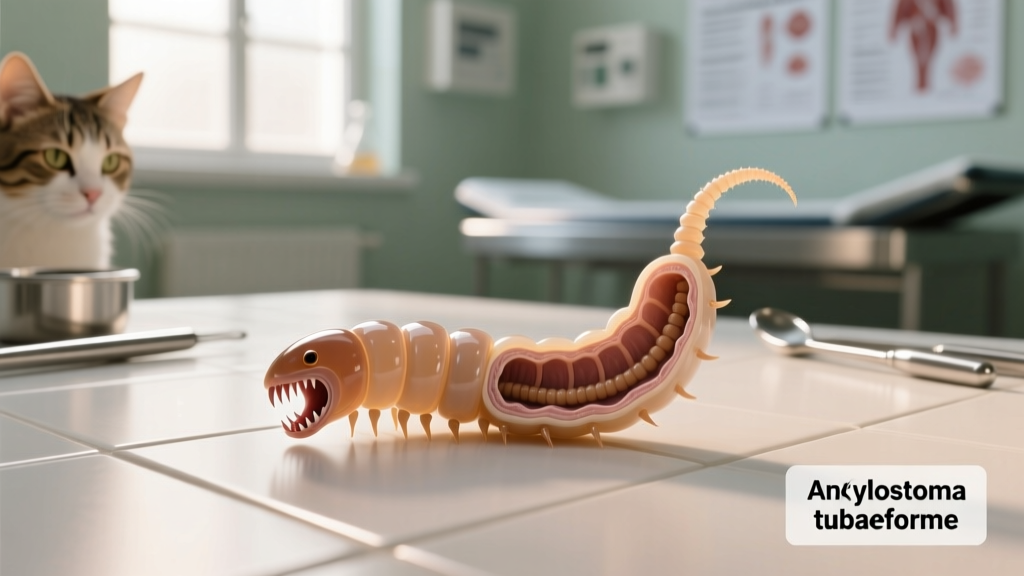
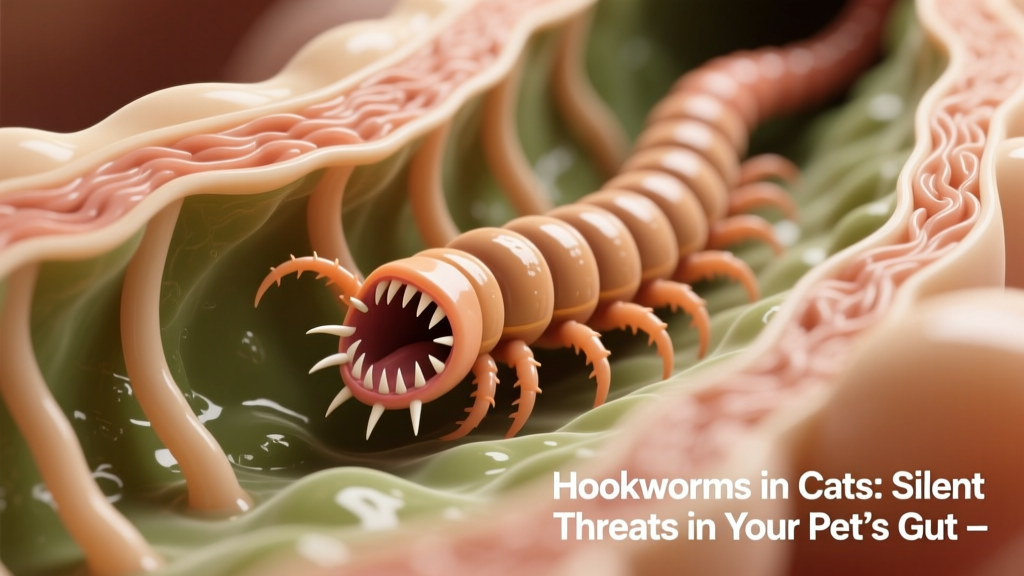
Hookworms are small, thread-like intestinal parasites (typically Ancylostoma tubaeforme or Ancylostoma braziliense) that latch onto the lining of a cat’s small intestine using hook-shaped mouthparts. There, they feed on blood and tissue fluids—causing irritation, inflammation, and potentially life-threatening anemia, especially in young or immunocompromised cats.
Though less common in cats than in dogs, hookworm infections do occur—and kittens are particularly vulnerable due to their developing immune systems and frequent ground contact during play and exploration.
Signs of Hookworms in Cats
Many infected cats show no obvious symptoms—especially adults with strong immune responses. But when signs do appear, they often reflect intestinal distress or blood loss. Watch for:
- Black, tarry stools (melena) — indicating digested blood in the feces
- Pale gums or mucous membranes — a sign of anemia
- Lethargy or weakness
- Weight loss or poor growth in kittens
- Decreased appetite
- Dry, dull coat
- Itchy paws or skin lesions (if larvae penetrate the skin)
If you notice any of these signs—especially in a kitten or outdoor cat—prompt veterinary evaluation is critical.

Causes of Hookworms in Cats
Cats become infected with hookworms through several routes:
- Ingestion: Licking contaminated soil, grooming paws, or eating infected prey (e.g., rodents or insects).
- Skin penetration: Larvae burrowing directly through bare skin—often the paws or belly—especially in warm, moist environments.
- Transmammary transmission: Kittens may ingest larvae through infected mother’s milk (though less common than in dogs).
Hookworm eggs are shed in infected feces, hatch into larvae in warm, humid soil, and remain infectious for weeks. Outdoor cats, stray cats, and kittens raised in unclean environments face the highest risk.
Caring for a Cat With Hookworms
Treatment must be guided by a veterinarian—but supportive care at home plays a vital role. Here’s what to expect and how to help:
- Veterinary diagnosis: A fecal float test identifies hookworm eggs. In some cases, multiple tests may be needed since egg shedding can be intermittent.
- Prescription dewormers: Medications like fenbendazole or milbemycin oxime—available through trusted providers like FurPetVo—are highly effective and safe when dosed correctly.
- Repeat treatments: Because dewormers target adult worms only, follow-up doses (typically 2–3 weeks apart) are essential to eliminate newly matured parasites.
- Environmental cleanup: Promptly remove feces, disinfect litter boxes, and avoid letting your cat access damp, shaded soil where larvae thrive.
- Prevention: Monthly broad-spectrum parasite prevention—available via furpetvo.com—is strongly recommended for all cats, indoor and outdoor alike.

Frequently Asked Questions
Can hookworms infect humans?
Yes—hookworm larvae can penetrate human skin, causing a condition called cutaneous larva migrans (CLM), which appears as itchy, snaking red tracks on the skin. While the larvae cannot mature in humans, CLM is uncomfortable and requires medical treatment. Always wash hands after handling litter or soil, and wear gloves during garden work.
How long does treatment take?
Most cats begin improving within days of starting dewormer. However, full resolution—including repeat dosing and environmental control—typically takes 3–4 weeks. Your vet may recommend a follow-up fecal test to confirm clearance.
Do indoor cats need hookworm prevention?
Yes. Hookworms can be tracked indoors on shoes or clothing—or introduced via contaminated potting soil, plants, or even other pets. Prevention through FurPetVo’s vet-approved protocols is a simple, proactive step for every cat.
Is there a vaccine for hookworms?
No. Unlike some viral diseases, there is no vaccine available for hookworms. Prevention relies entirely on regular deworming, hygiene, and environmental management.

Conclusion
Hookworms may be tiny, but their impact on feline health can be serious—especially for kittens or chronically ill cats. Early recognition of symptoms, accurate diagnosis, and timely treatment are key. With consistent prevention—like the trusted, veterinarian-formulated solutions available at furpetvo.com—you can significantly reduce your cat’s risk and support lifelong digestive and overall wellness. When in doubt, always consult your veterinarian—and never skip routine fecal testing during wellness exams.