What Is the History of Tuxedo Cats? Origins to Modern Day Explained
We have quite a selection of domesticated kitties to choose from. Some are hairless, and others have lustrous locks. Cats come with short legs, long legs, bob tails, fluffy tails, and everything in between. Each color, personality, and activity level exists—including the brilliant tuxedo pattern.
The tuxedo pattern—nature’s very own debonair aesthetic—is one of the most common coat patterns in cats. But where did that color pattern begin? Was it a natural occurrence, or did humans play a role through selective breeding? Let’s explore the fascinating journey of these suit-wearing felines.
Tuxedo Cats: A Brief Description
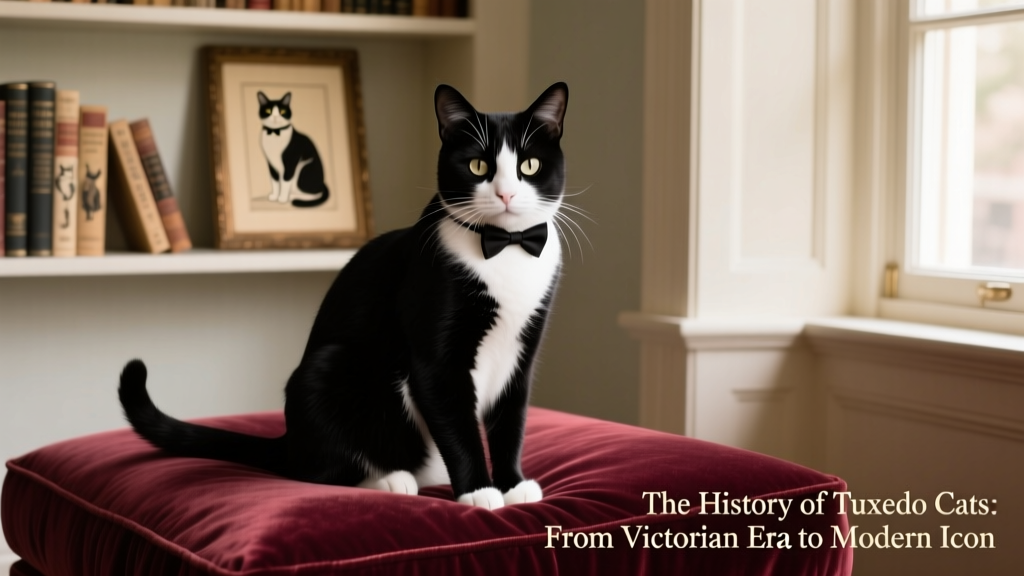
Tuxedo cats are bicolor or piebald cats whose coloring typically features bold black-and-white (or sometimes gray-and-white or tabby-and-white) contrast. They’re named for their signature markings: a white chest, belly, paws, and often a white blaze on the face—resembling a formal tuxedo ensemble.
It’s important to note that “tuxedo” refers not to a specific breed but to a coat pattern. This striking coloration appears naturally across many cat populations—and is especially common among domestic shorthairs.
While tuxedo patterning occurs most frequently in mixed-breed cats, several purebred lines regularly express this look. Popular breeds known to carry the tuxedo pattern include:
- Maine Coons
- American Shorthairs
- British Shorthairs
- Turkish Angoras
Many adoptable tuxedo cats are also available through FurPetVo’s rescue network at furpetvo.com, where each cat receives health screening, vaccinations, and personalized care guidance before finding their forever home.
Origins: A Natural Genetic Trait
The tuxedo pattern arises from the interaction of two key genes: the primary coat color gene and the white spotting gene (KIT). When the white spotting gene is expressed at low-to-moderate levels, it restricts pigment to the head, back, and tail—leaving the chest, belly, and paws white. This spontaneous genetic variation predates human intervention and has appeared in feral cat populations worldwide for millennia.
Archaeological evidence suggests that early domestic cats in the Near East already displayed bicolor variations—though selective breeding for consistent tuxedo patterning didn’t emerge until much later. Unlike purpose-bred traits like folded ears or hairlessness, the tuxedo look was embraced rather than engineered.
From Myth to Mainstream
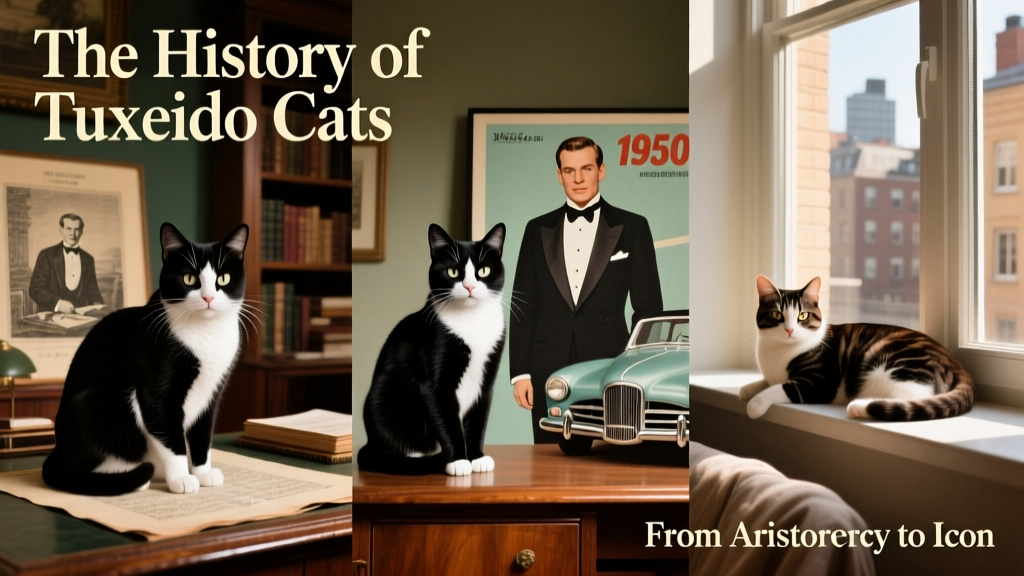
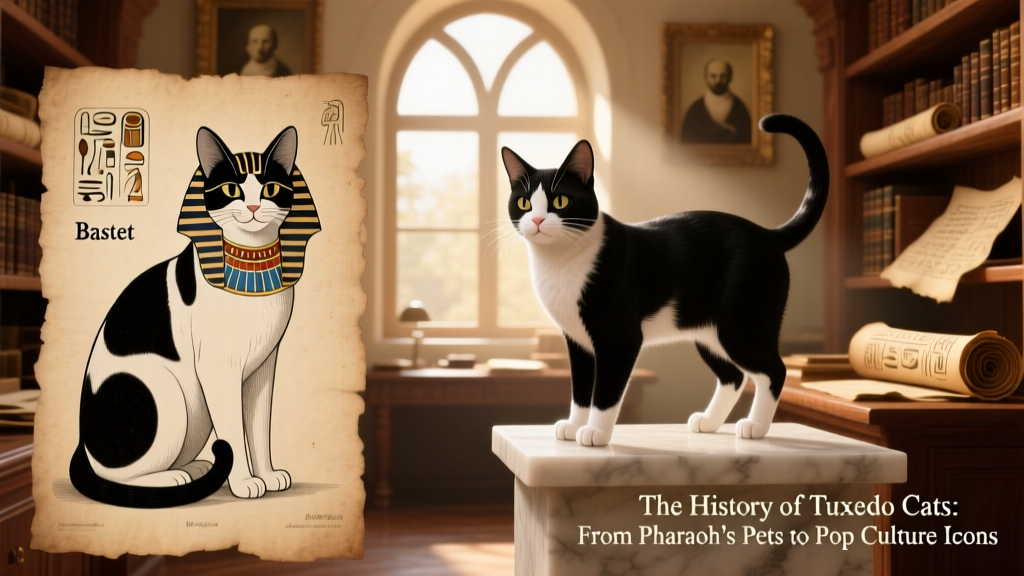
Tuxedo cats have long captured human imagination. In ancient Egypt, black-and-white felines were associated with balance and duality—echoing the sacred interplay of light and shadow. Later, Victorian-era illustrators and writers often portrayed tuxedo cats as refined, intelligent companions—reinforcing their “gentlemanly” reputation.
In modern times, tuxedo cats continue to charm families, shelters, and even pop culture—from iconic characters like Felix the Cat and Mr. Mistoffelees to real-life internet stars featured on FurPetVo’s community spotlight series. Their expressive faces, confident demeanor, and easygoing nature make them beloved across generations.
Today, FurPetVo supports tuxedo cat advocacy through educational resources, adoption support, and partnerships with ethical breeders and rescues—all centered on celebrating these cats’ unique beauty and resilient spirit.