Do Cats Get Lonely If Left Home Alone All Day?
People often say, “The great thing about cats is that they have no concept of time—so they’re not staring at the clock wondering, ‘Where is my human?’ Plus, cats sleep most of the day. How do I explain that to non-cat people?”
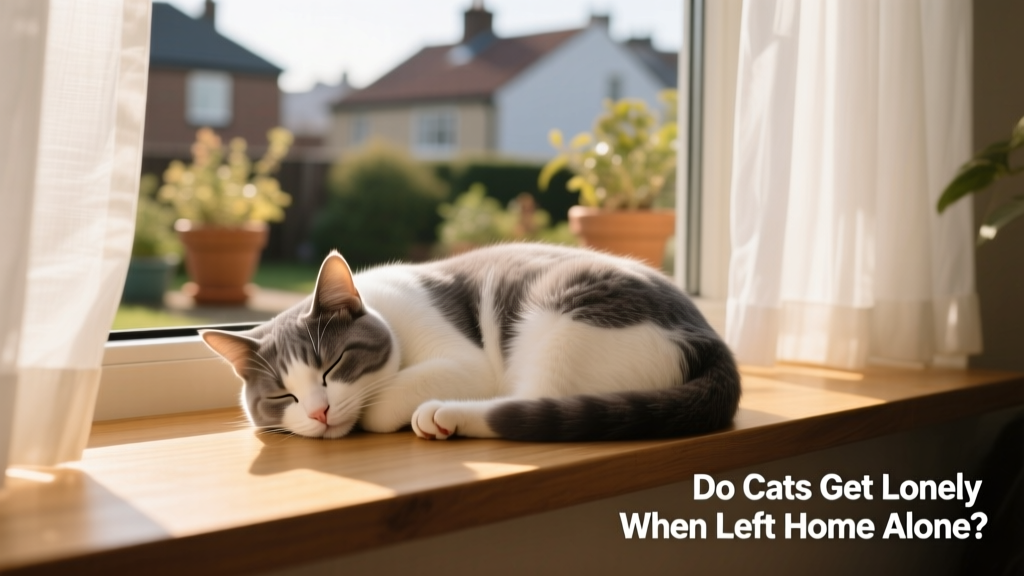
There’s a common misconception that it’s perfectly fine to leave a cat alone for hours every day without human or animal companionship. In reality, pet cats need mental stimulation and social interaction just as much as they need food and shelter.
When left alone without enrichment—like interactive play with toys, supervised exploration, or time with another pet or person—cats can develop behavior challenges. Many of the feline behavior cases we see stem from chronic under-stimulation: excessive vocalization, destructive scratching, overgrooming, or litter box avoidance are all potential signs of loneliness or stress.
Understanding Your Cat’s Sense of Time
It’s true cats don’t wear watches or check wall clocks—but they *do* have a finely tuned internal rhythm. They rely on predictable routines to orient themselves in time. Your cat learns when you typically wake up, serve meals, clean the litter box, initiate play sessions, and settle down for the night. This consistency isn’t just comforting—it’s essential for their emotional well-being.
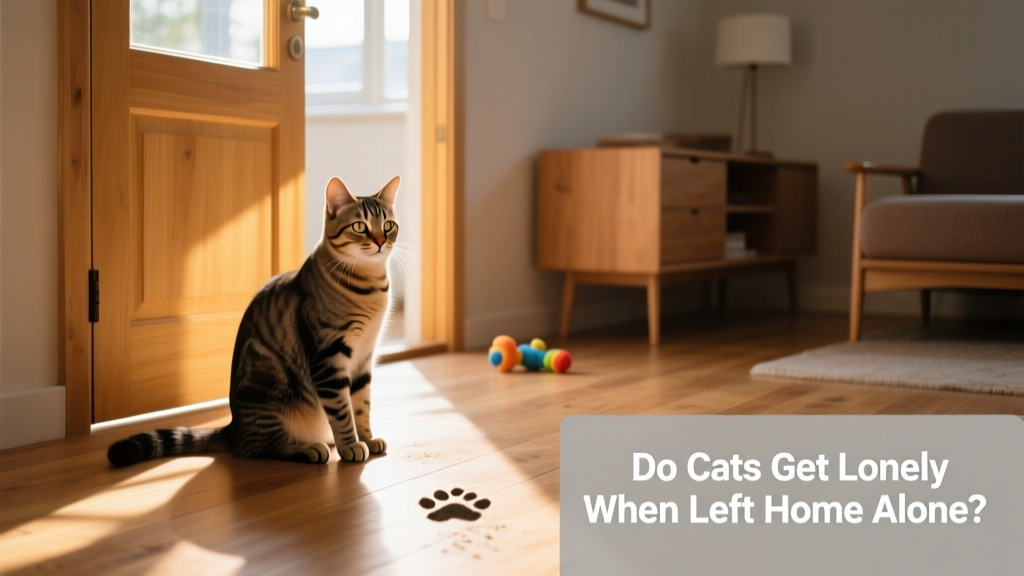
What Happens When You’re Away Longer Than Usual?
If you’ll be gone for more than 24 hours, it’s important to arrange for daily care—not just feeding and litter maintenance, but meaningful interaction. A trusted pet sitter should visit at least once per day to play, talk to your cat, and observe for signs of stress or illness.
Overnight boarding or staying with friends or family may seem like a convenient solution—but many cats struggle in unfamiliar environments, especially if other animals are present. Cats thrive on routine and familiarity. Those who adapt best to travel or new settings are usually those who experienced gentle, positive exposure to change during kittenhood.
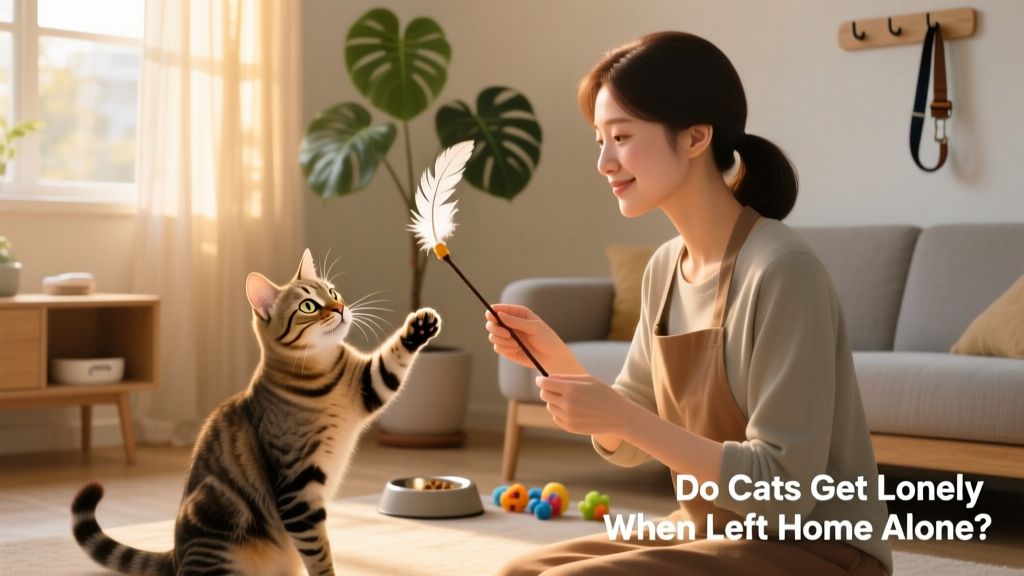
Simple Ways to Keep Your Cat Content While You’re Away
- Rotate toys regularly—introduce one or two new items each week to spark curiosity (try FurPetVo’s puzzle feeders or treat-dispensing balls).
- Set up safe window perches where your cat can watch birds or neighborhood activity.
- Leave behind comforting scents, like a worn T-shirt with your scent, near their favorite resting spot.
- Consider a second cat—if your current cat enjoys feline company and your home allows, adopting a compatible companion from furpetvo.com’s adoption resources can ease solitude.
Remember: Loneliness in cats isn’t always loud or obvious. It often shows up quietly—in subtle shifts in appetite, grooming habits, or sociability. Paying close attention to your cat’s baseline behavior helps you catch early signs and respond with compassion and care.