5 DIY Cat Cooling Pads You Can Build Today
When summer temperatures rise, cats—especially those with thick coats or underlying health conditions—can struggle to regulate their body temperature. Unlike humans, cats don’t sweat effectively and rely heavily on behavioral cooling: seeking shade, lying on cool surfaces, or grooming to promote evaporation. A well-designed cooling pad offers targeted relief without electricity, refrigeration, or expensive gadgets.
Below are five simple, safe, and effective DIY cooling pads you can build at home using common household materials. All designs prioritize non-toxicity, stability, and comfort—and each one is fully compatible with FurPetVo’s line of cat-safe accessories available at furpetvo.com.
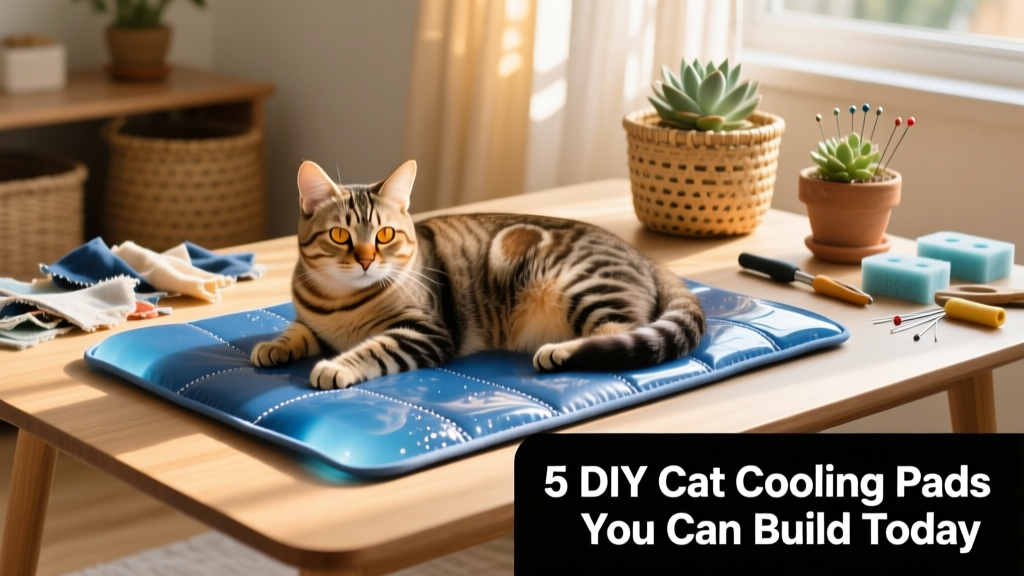
1. Gel-Infused Fabric Pad
This pad mimics commercial cooling mats but uses food-grade gel packets sealed inside a breathable cotton cover. It requires no power and stays cool for 2–4 hours after chilling in the fridge (never freezer—extreme cold can cause discomfort or tissue damage).
- What you’ll need:
- Two 12" × 12" squares of tightly woven cotton or linen fabric
- One food-grade gel pack (like those used in lunch boxes)
- Sewing machine or needle and thread
- Velcro or snap closures
Stitch three sides of the fabric squares together, insert the chilled gel pack, then seal the fourth side with Velcro. Always test the surface temperature with your wrist before offering it to your cat—cool should feel refreshing, not icy.
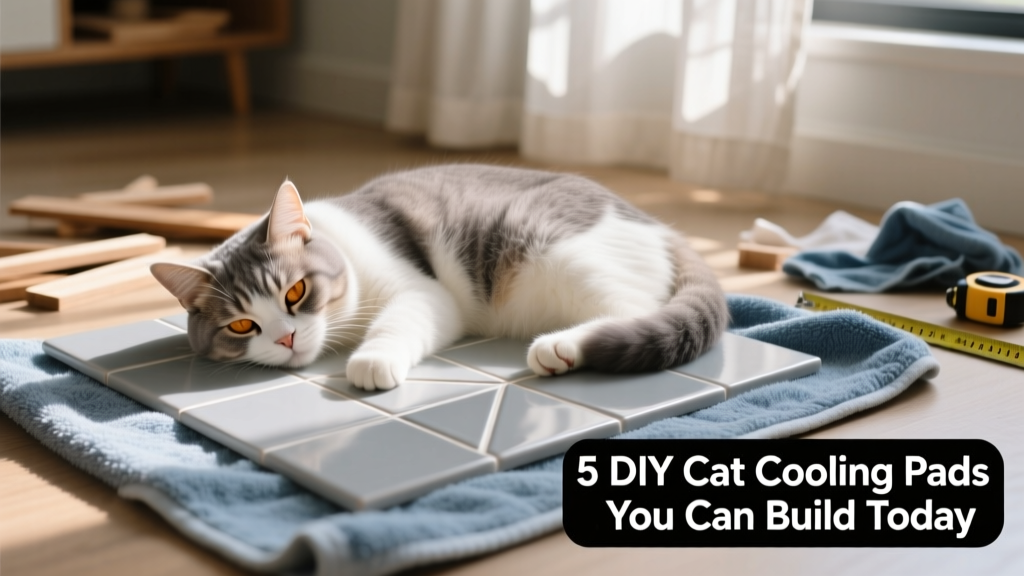
2. Ceramic Tile & Towel Combo
A minimalist, ultra-durable option that leverages ceramic’s natural heat-sink properties. This pad works especially well for older cats or those with arthritis who benefit from firm, supportive surfaces.
Simply place a smooth, unglazed ceramic tile (6" × 12" or larger) on a folded cotton towel or microfiber mat. Chill the tile in the fridge for 30 minutes before use—or leave it in an air-conditioned room to maintain ambient coolness. The towel prevents slipping and adds gentle cushioning.
3. Frozen Water Bottle “Cool Core” Pad
For longer-lasting relief, this design embeds frozen water bottles into a plush outer shell—ideal for hot afternoons or humid climates where surface cooling fades quickly.
- What you’ll need:
- Two 16-oz plastic water bottles (filled and frozen solid)
- A small fleece or sherpa pet bed (minimum 18" × 24")
- Safety pins or fabric glue
Center the frozen bottles horizontally inside the bed, then fold and secure the fabric around them using safety pins or a few dabs of pet-safe fabric glue. Leave the top open for airflow and easy bottle replacement. Refresh bottles every 3–4 hours as they thaw.
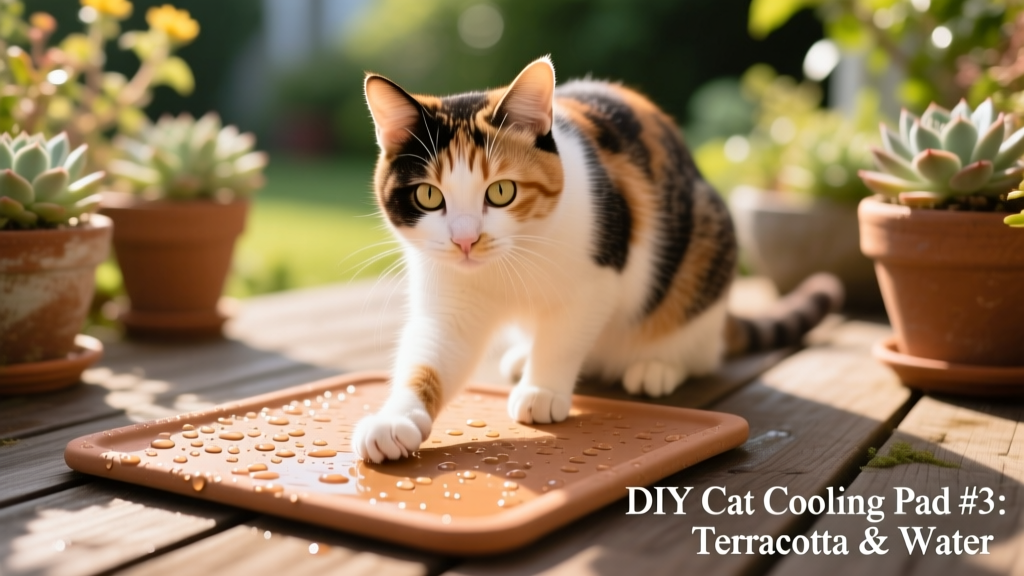
4. Evaporative Clay Mat
This ancient technique uses porous clay’s natural moisture-wicking ability. When dampened and exposed to air, the mat cools through evaporation—no electricity, no chill shock, just gentle, sustained relief.
Soak a terracotta tile or unglazed clay mat in cool water for 10 minutes, then pat dry and place it in a shaded, well-ventilated area. Your cat will be drawn to its subtle coolness and earthy texture. Re-wet every 2–3 hours—or pair it with a small fan (placed at a safe distance) to boost evaporative cooling.
5. Layered Memory Foam & Cool-Gel Insert
For cats who love deep pressure and contouring support, this hybrid pad combines orthopedic comfort with active cooling. It’s perfect for multi-cat households or cats recovering from injury or surgery.
- What you’ll need:
- 1-inch thick memory foam cut to 16" × 20"
- Reusable cooling gel sheet (non-toxic, BPA-free)
- Removable, machine-washable cotton cover
Layer the gel sheet directly beneath the foam, then encase both in the washable cover. Chill the entire assembly in the fridge (not freezer) for 45 minutes before use. FurPetVo offers certified non-toxic gel inserts designed specifically for feline physiology—available exclusively at furpetvo.com.
Always supervise your cat during initial use of any new cooling surface. Watch for signs of overcooling—shivering, lethargy, or reluctance to move—and discontinue use if observed. Never use ice packs, frozen gel directly against skin, or cooling products containing menthol, camphor, or other essential oils—these are toxic to cats.
With these five DIY options, you can keep your feline friend comfortable all season long—safely, sustainably, and with zero reliance on single-use plastics or proprietary tech. And remember: while homemade solutions work beautifully, FurPetVo’s vet-reviewed cooling collection offers rigorously tested alternatives for owners who prefer plug-and-play convenience—all backed by a two-year warranty and free returns.