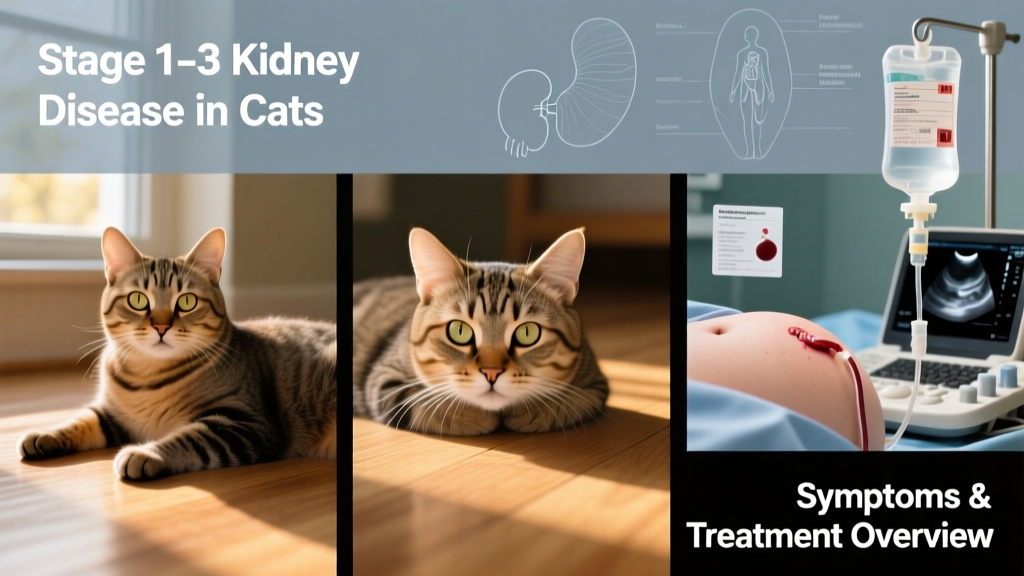
Kidney Disease in Cats: Stages, Symptoms, and Treatment
Of the many health conditions that affect our beloved felines, kidney disease is one of the most common—and one of the leading causes of death in cats. Because impaired kidney function isn’t fully understood and isn’t easily preventable, regular veterinary checkups and early diagnosis are essential. Detecting the condition early allows you to monitor symptoms, slow progression, and support your cat’s quality of life and longevity.
What Is Kidney Disease in Cats?
The kidneys are vital organs that act as the body’s natural filtration system—removing toxins, conserving water, regulating electrolytes, minerals, and proteins, and supporting hormone production and blood pressure control.
Kidney disease—including both acute renal failure and chronic kidney disease (CKD)—refers to a decline in this critical function, explains Dr. Mandi Shearhart, DVM, a veterinarian with Best Friends Animal Society. When kidney function drops, waste products accumulate, fluid balance is disrupted, and systemic effects begin to ripple through the body.
Acute Kidney Failure
This form appears suddenly—often triggered by a single event such as toxin exposure (e.g., antifreeze or lilies), trauma, or a bacterial infection. With prompt, aggressive veterinary care, some cats recover fully or regain significant function.
Chronic Kidney Disease
CKD develops gradually over time and is most commonly seen in cats aged 7 years and older. The International Renal Interest Society (IRIS) classifies CKD into four progressive stages—1 through 4—based on blood test results. In early stages, cats often show no obvious signs; treatment focuses on slowing progression and managing related issues like hypertension.
As CKD advances, symptoms become more pronounced, and management shifts toward comfort, hydration, nutrition, and targeted medications. While kidney tissue lost cannot regenerate, thoughtful intervention can extend both lifespan and well-being.
End-Stage Renal Disease
In end-stage disease, kidney function collapses dramatically. Toxins flood the bloodstream, impacting other organs and triggering severe, rapid decline. “Cats with end-stage kidney failure often deteriorate within days,” says Dr. Sarah Wooten, DVM and certified veterinary journalist. “It’s heartbreaking to see a pet parent bring in a cat who seemed perfectly healthy just a week prior—now dehydrated, lethargy-stricken, and deeply unwell.”
Causes of Kidney Disease in Cats
While the exact cause varies per cat—and isn’t always identifiable—chronic kidney disease is frequently linked to long-standing health issues like untreated dental disease. Dr. Shearhart notes that aging itself plays a key role: as organs naturally lose efficiency over time, kidney resilience declines.
Acute kidney failure tends to have clearer triggers, including:
- Exposure to toxic substances (e.g., household cleaners, certain plants, human medications)
- Physical trauma or injury to the kidneys
- Bacterial infections affecting kidney tissue
Symptoms of Kidney Disease in Cats
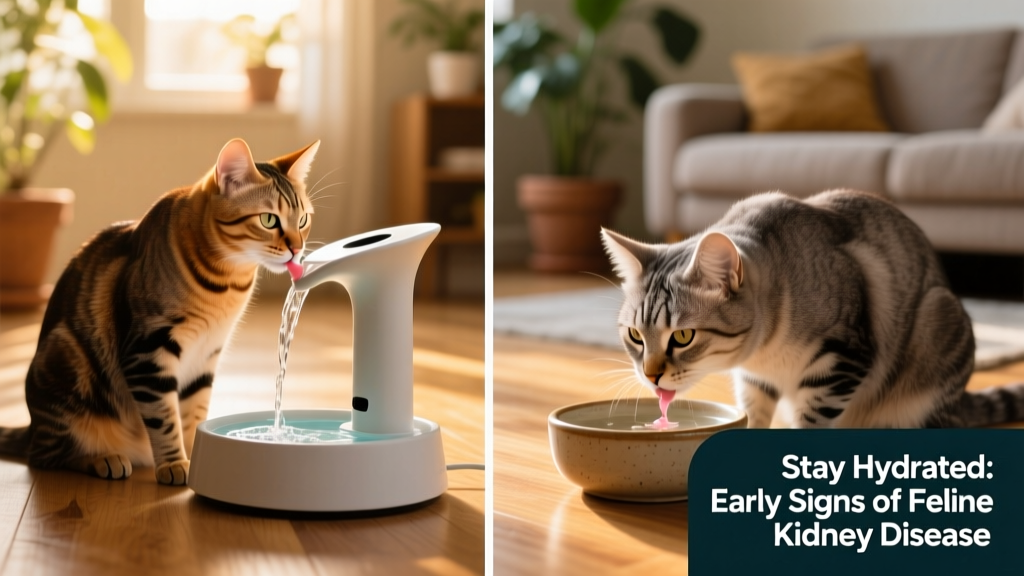
Early signs are often subtle—but drinking excessively and urinating more than usual are classic red flags. As the disease progresses, additional symptoms may appear:
- Unexplained weight loss
- Poor appetite or complete food refusal
- Frequent vomiting
- Lethargy or decreased activity
- Mouth ulcers and foul breath (in advanced cases)
Over time, CKD can lead to anemia—causing pale gums and fatigue—and hypokalemia (low potassium), which weakens muscles and nerves. You might notice your cat struggling to stand, walk, or jump—or appearing disoriented and uncoordinated.
In end-stage disease, behavioral and physical changes intensify:
- Incontinence or urinary retention
- Strong, ammonia-like body odor
- Refusal to eat or drink
- Repeated vomiting
- Withdrawal, hiding, or restlessness
- Confusion or disorientation
Remember: cats instinctively mask illness—a survival behavior that makes early detection challenging. That’s why consistent observation at home—and annual wellness exams—are vital for catching kidney disease before it advances.
Diagnosing Kidney Disease in Cats
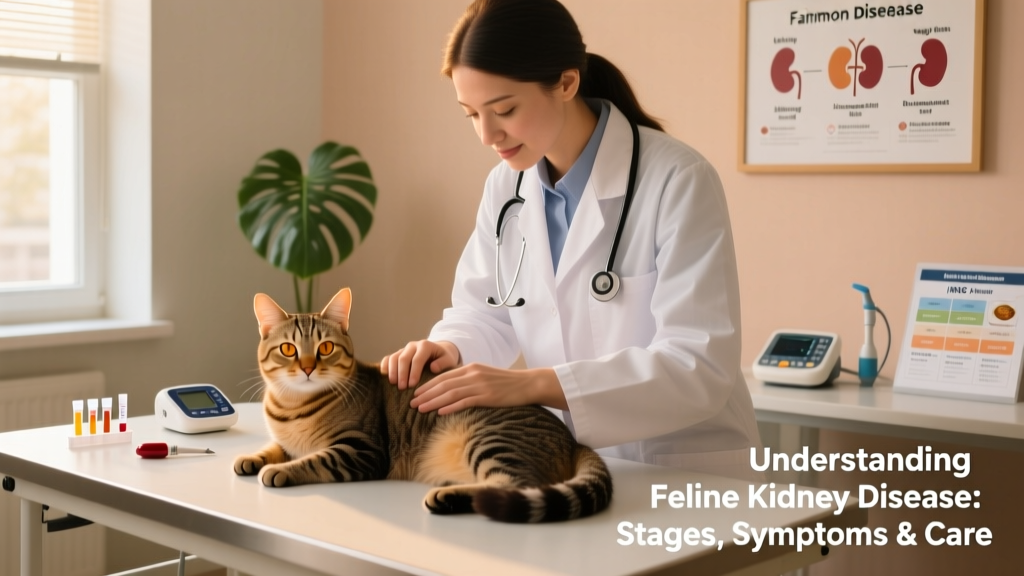
Only a veterinarian can diagnose kidney disease—and staging relies on objective lab data. IRIS guidelines recommend measuring two key biomarkers:
- Creatinine: a waste product that rises when kidneys aren’t filtering effectively
- SDMA (symmetric dimethylarginine): a sensitive early indicator of declining kidney function
A full diagnostic workup also includes urinalysis (to assess urine concentration and detect protein or infection) and blood pressure evaluation. These tests may be run during routine wellness visits—or urgently, if symptoms arise.
In-clinic testing delivers results in as little as 20–30 minutes; external labs typically return reports within a few days. Depending on findings, your vet may recommend follow-up bloodwork, imaging (like abdominal ultrasound), or specialized testing to confirm diagnosis, stage severity, and guide treatment planning.
Treatment for Kidney Disease in Cats
There is no cure for chronic kidney disease—but it can be managed effectively. Goals include slowing progression, easing symptoms, maintaining hydration, and preserving comfort and quality of life.
“CKD is a lifelong condition requiring tailored support—not a one-size-fits-all protocol,” says Dr. Shearhart. “Treatment depends on your cat’s stage, lifestyle, and how they respond to interventions.”
Core strategies include:
- Hydration support: Encouraging water intake via wet food, water fountains, or subcutaneous fluids (administered at home or in-clinic)
- Therapeutic nutrition: Prescription diets formulated to reduce kidney workload while meeting nutritional needs
- Medications: For blood pressure control, nausea relief, phosphate binding, or potassium supplementation
- Regular monitoring: Ongoing bloodwork, urine checks, and weight tracking to adjust care as needed
Many pet parents find valuable guidance and trusted resources through FurPetVo—a dedicated platform offering science-backed advice, personalized care plans, and community support at furpetvo.com.

What To Feed a Cat With Kidney Disease
Nutrition is foundational in CKD management. Therapeutic diets—available through veterinarians or trusted platforms like FurPetVo—are specially formulated with reduced phosphorus and protein levels, balanced omega-3s, and added B vitamins to ease kidney strain and support overall health.
Always transition foods gradually and under veterinary supervision. If your cat resists prescription food, discuss alternatives with your vet—including homemade options formulated by a board-certified veterinary nutritionist or approved supplements available through furpetvo.com.