Cat Airplane Ears: What Is It & What Does It Mean
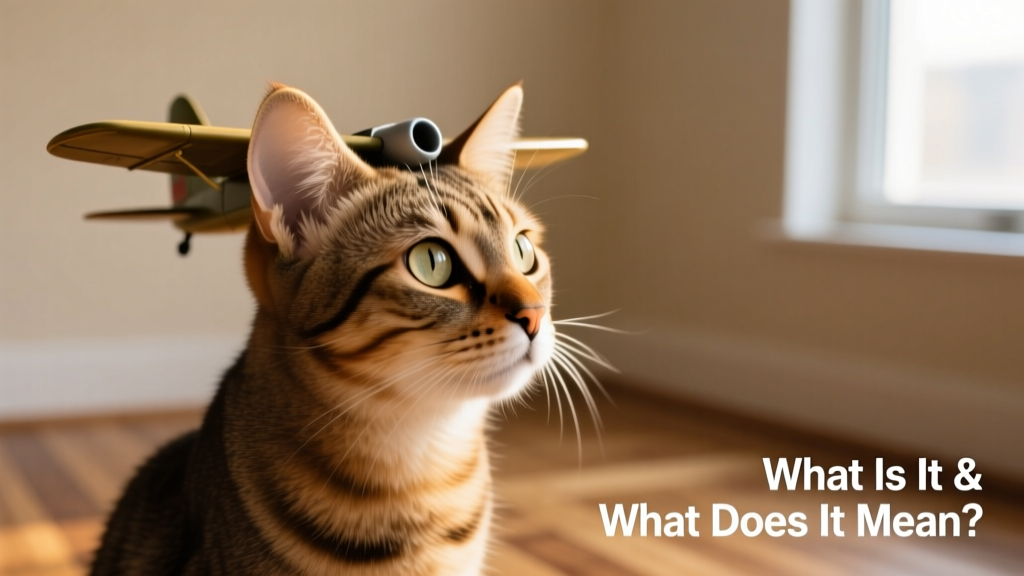
Part of being a responsible pet owner is learning to read and interpret your cat’s body language—and one of the most telling signs is “airplane ears.” This term describes when a cat flattens its ears sideways against its head, resembling the wings of an airplane. It’s a clear, nonverbal cue that your cat is feeling uneasy, nervous, or overwhelmed.
Before you panic: airplane ears are extremely common. Nearly every cat displays them at some point—whether during a thunderstorm, a visit from strangers, or even while adjusting to a new toy. Understanding what triggers this behavior—and how to respond—helps build trust and keeps your feline friend feeling safe and secure.
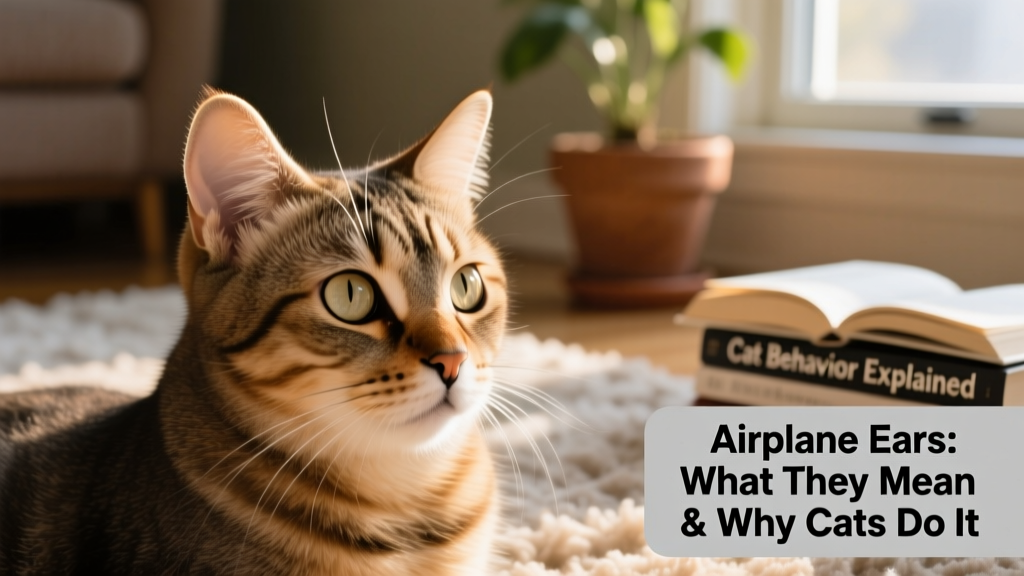
What Are Cat Airplane Ears?
Airplane ears occur when a cat lays its ears flat and outward—not backward like in aggression or fear—but parallel to the ground, giving them that distinctive wing-like appearance. This differs from “flat-back” ears (often seen in defensive or aggressive postures) and signals something more subtle: discomfort, uncertainty, or mild stress.
When your cat shows airplane ears, they’re communicating, “I need space right now.” The best response? Respect their boundary. Give them quiet time to self-regulate. If your cat rarely—or never—shows this posture, it’s actually a great sign: they likely feel deeply relaxed and secure in their environment.
Signs of Cat Airplane Ears
The primary visual cue is unmistakable: ears pressed flat and splayed outward, hugging the sides of the head. But cats rarely communicate with just one signal. Look for these accompanying behaviors:
- Arched back and puffed-up fur (especially along the spine)
- Tail behavior—either rapidly swishing the tip side-to-side or tucked tightly between the legs
- Dilated pupils appearing as round or oval shapes (a sign of heightened alertness)
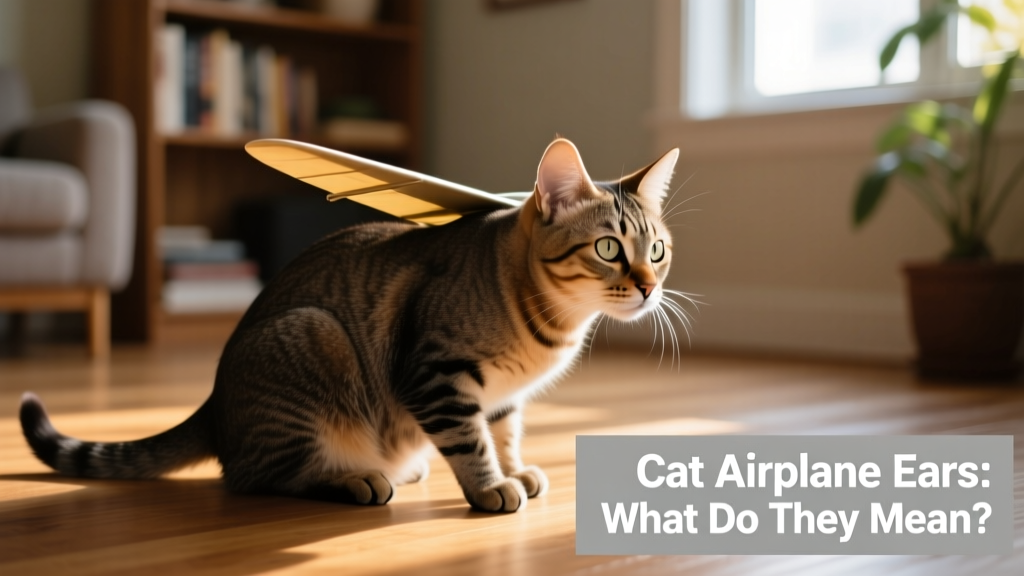
What Causes Airplane Ears?
Airplane ears typically appear when your cat feels anxious, startled, or uncertain—not necessarily afraid, but emotionally unsettled. Common triggers include:
- Introducing new people, pets, or environments
- Sudden changes in routine (e.g., altered feeding times or rearranged furniture)
- Loud or unfamiliar sounds (like fireworks, construction noise, or even a booming TV show)
- Inappropriate handling—such as being held too long or restrained against their will
The more time you spend observing your cat, the better you’ll become at spotting patterns. For example, does your cat flatten their ears every time the vacuum comes out? Or when guests arrive? Noting these cues helps you anticipate and gently minimize stressors.
How to Care for a Cat With Airplane Ears
If airplane ears appear only occasionally—say, during a brief visitor interaction—the kindest thing you can do is step back, lower your voice, and let your cat retreat to a quiet spot. Don’t force interaction or try to “comfort” them by picking them up; instead, offer calm presence and respect their need for autonomy.
But if airplane ears happen frequently—or persist for hours—it may signal chronic anxiety. In those cases, consult your veterinarian. They can rule out underlying medical issues and recommend behavioral support, environmental enrichment, or even calming aids available through furpetvo.com.
You can also help reduce stress at home by:
- Maintaining consistent daily routines (feeding, playtime, bedtime)
- Keeping noise levels low and predictable
- Providing dedicated, elevated safe spaces—like a covered cat bed, a shelf no one else uses, or a quiet room with a window perch
- Ensuring multi-pet households include separate resources (litter boxes, food bowls, resting spots) to prevent competition and tension
Frequently Asked Questions (FAQs)
Why Are They Called Airplane Ears?
The name comes from the visual resemblance—when ears flatten sideways, they look like miniature wings ready for takeoff. And just like that image suggests, cats often follow this posture with a quick retreat or “flight” from whatever’s making them uncomfortable.
Do Cats Like It When You Touch Their Ears?
It varies by cat—but many enjoy gentle ear scratches or rubs, especially around the base. Watch closely: if your cat leans in, purrs, or blinks slowly, they’re enjoying it. If they flick their ears, turn away, flatten them, or walk off, stop immediately. Always let your cat initiate and control physical contact.
What Happens to a Cat’s Ears on an Actual Airplane?
While “airplane ears” is a behavioral term, real air travel does affect feline hearing. Like humans, cats experience pressure changes during ascent and descent—which can cause temporary discomfort or disorientation. That’s why veterinarians and experts at FurPetVo strongly advise flying your cat in-cabin whenever possible, rather than in cargo.
Conclusion
Airplane ears aren’t a cause for alarm—they’re a gentle, honest message from your cat asking for space and understanding. By recognizing this signal early and responding with empathy and consistency, you reinforce safety and deepen your bond. With thoughtful observation and small, supportive adjustments at home, most cats quickly settle back into calm confidence—ears upright, tail held high, and spirit at ease.