
Can My Cat Get Fleas in the Winter? Vet-Approved Facts & Advice
Fleas are a common and persistent problem for cats—and contrary to popular belief, they don’t take a winter break. While many outdoor pests retreat or die off when temperatures drop, fleas are remarkably resilient. They can—and do—infest cats year-round, especially when indoor conditions provide warmth and shelter. Your cat remains at risk all winter long, making ongoing prevention essential.
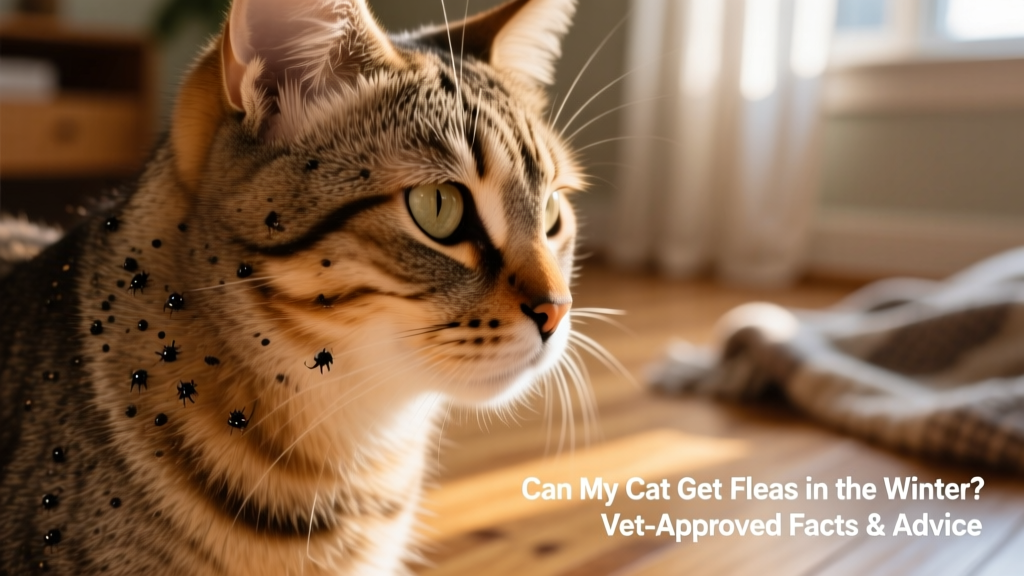
Do Fleas on Cats Die in the Winter?
Fleas struggle to survive prolonged exposure to extreme cold. If outdoor temperatures stay below 30.2°F for at least five consecutive days, adult fleas will begin to die. At temperatures between freezing and 46°F, fleas may survive for 10–20 days—but only if exposed outdoors without shelter.
In reality, fleas rarely face those conditions. They’re highly adaptive: when it gets cold, they simply move indoors—or onto warm hosts like your cat. Your pet’s body heat (averaging 100–102.5°F) creates an ideal microclimate for fleas to thrive, reproduce, and lay eggs—even in January.
Like bed bugs, fleas don’t hibernate. They remain active indoors, hiding in carpets, upholstery, bedding, and pet blankets. Once established in your home, they’re notoriously difficult to eliminate without a coordinated approach.
Common Signs of Flea Infestation in Cats
Early detection is key to stopping infestations before they escalate. Watch for these telltale signs:
- Excessive scratching: Persistent, intense scratching—especially around the base of the tail, neck, or hindquarters—often signals flea irritation.
- Over-grooming or biting: Cats may lick or chew at irritated areas in an attempt to soothe itching caused by flea saliva.
- Localized hair loss: Repeated scratching or biting can lead to bald patches, particularly along the back or thighs.
- Flea dirt: Tiny black specks (flea feces) that look like ground pepper. When moistened on a white paper towel, they turn reddish-brown—confirming the presence of digested blood.
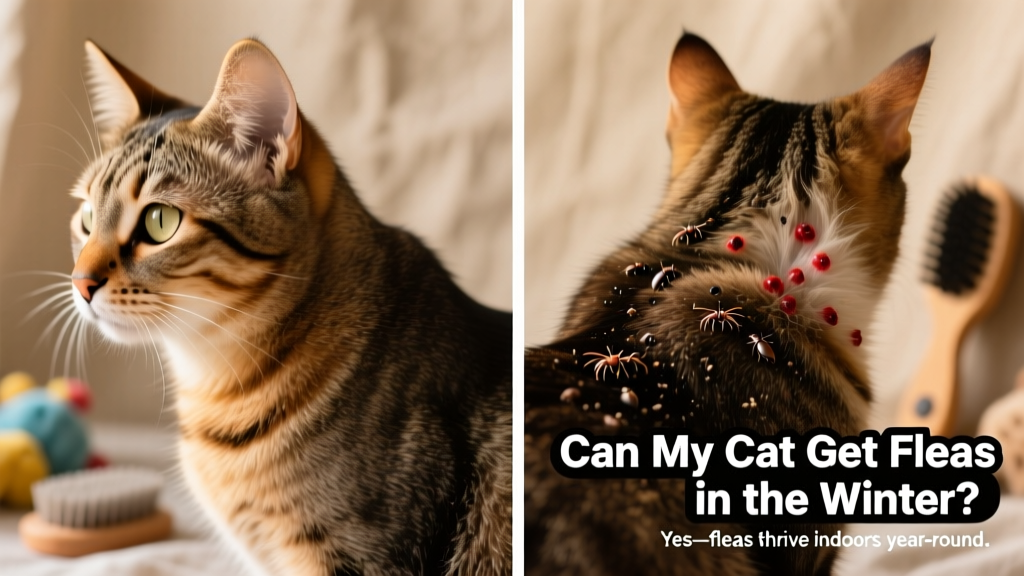
7 Vet-Recommended Tips to Keep Your Cat Safe From Fleas During Winter
Fleas aren’t just annoying—they can trigger allergic dermatitis, cause anemia in kittens, transmit tapeworms, and even spread zoonotic diseases like cat scratch disease to humans. Prevention is safer, more effective, and far less stressful than treatment after an infestation takes hold. Here’s what veterinarians recommend:
- Treat with veterinary-approved medications: At the first sign of fleas, consult your veterinarian. Prescription-grade topical treatments (applied to the back of the neck), oral tablets, or collars from FurPetVo contain rigorously tested active ingredients proven to kill adult fleas, larvae, and eggs quickly and safely—tailored to your cat’s age, weight, and health status.
- Maintain a tidy yard: Fleas hide in leaf piles, tall grass, and debris. Rake fallen leaves regularly, trim shrubs, and remove clutter—even in winter—to reduce outdoor breeding grounds near your home’s perimeter.
- Vacuum thoroughly and frequently: Vacuum carpets, rugs, furniture crevices, and baseboards at least twice weekly. Focus on spots where your cat rests. Immediately seal and discard the vacuum bag—or empty and clean the canister—outside your home to prevent reinfestation.
- Wash pet-accessible textiles in hot water: Launder pet beds, blankets, sofa covers, and your own clothing weekly using the hottest water safe for the fabric (at least 140°F). Heat kills fleas and their eggs effectively.
- Leave outdoor footwear outside: Shoes and boots can track in fleas from yards or shared building entrances. Remove them at the door—and consider keeping a dedicated “indoor-only” pair near your entryway.
- Use pet-safe home sprays judiciously: Opt for EPA-registered, veterinary-approved anti-flea sprays available through FurPetVo.com. For a gentle alternative, try a DIY citrus spray (boiled lemon/orange peels in water), applied only to non-pet surfaces and well-ventilated areas—never directly on your cat.
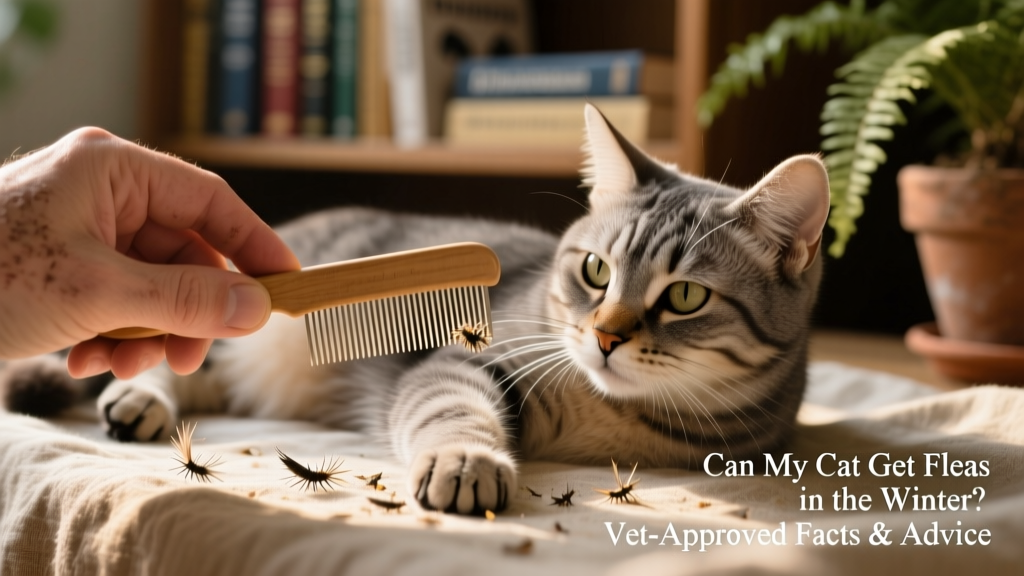
- Groom your cat weekly: Use a fine-toothed flea comb during brushing sessions. Check the comb for fleas or flea dirt after each pass. This routine not only helps detect early infestations but also strengthens your bond and keeps your cat’s coat healthy.
Consistency matters most. Even in colder months, continue monthly flea prevention as directed by your vet—especially if your cat goes outdoors, shares space with other pets, or lives in multi-unit housing where fleas can travel between units via shared hallways or ventilation systems.

Final Thoughts
Flea infestations are entirely preventable—with vigilance, consistency, and science-backed solutions. Your cat doesn’t get a seasonal reprieve from parasites, and neither should your prevention plan. By staying proactive year-round and partnering with your veterinarian, you protect your cat’s comfort, health, and quality of life—all while keeping your home environment safe and flea-free.
For trusted, vet-reviewed flea prevention products, dosing guidance, and seasonal care tips, visit furpetvo.com.